
Last updated November 24, 2026
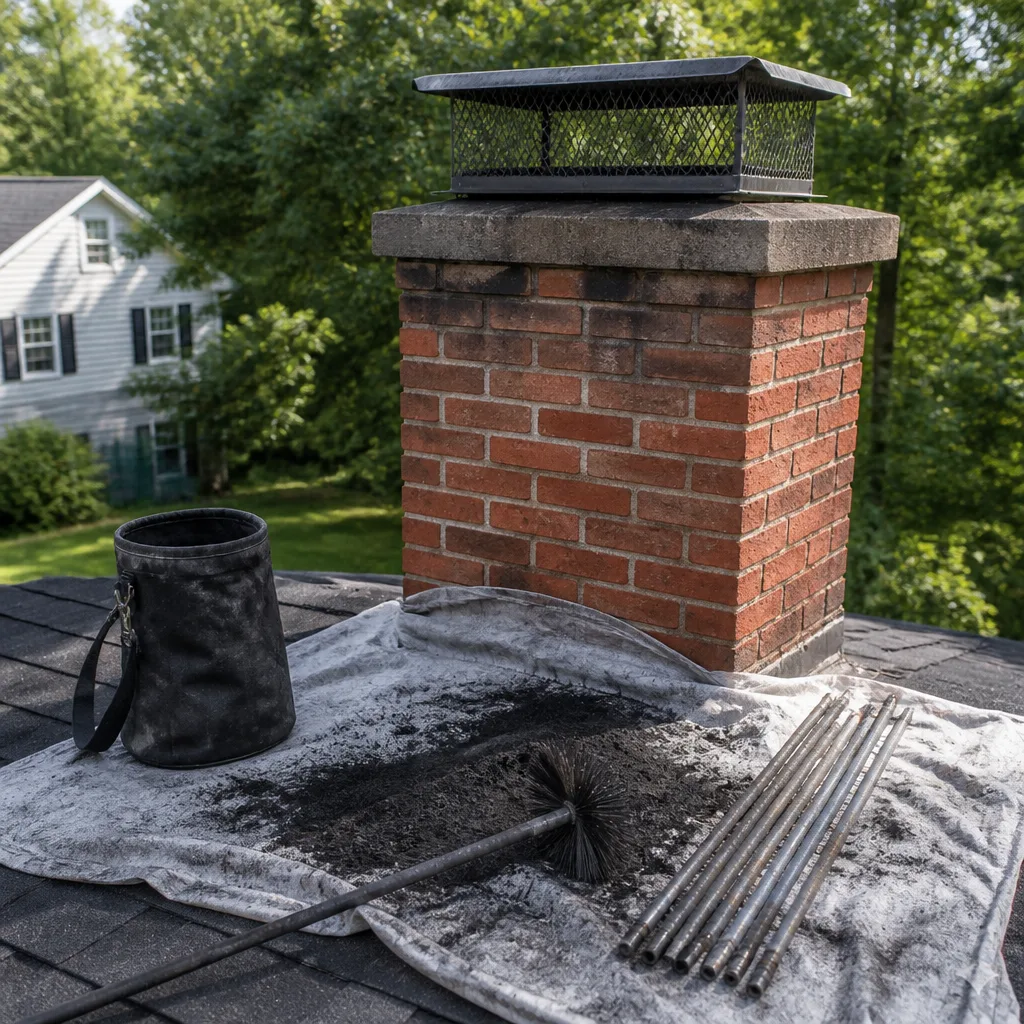 Sweep & inspection
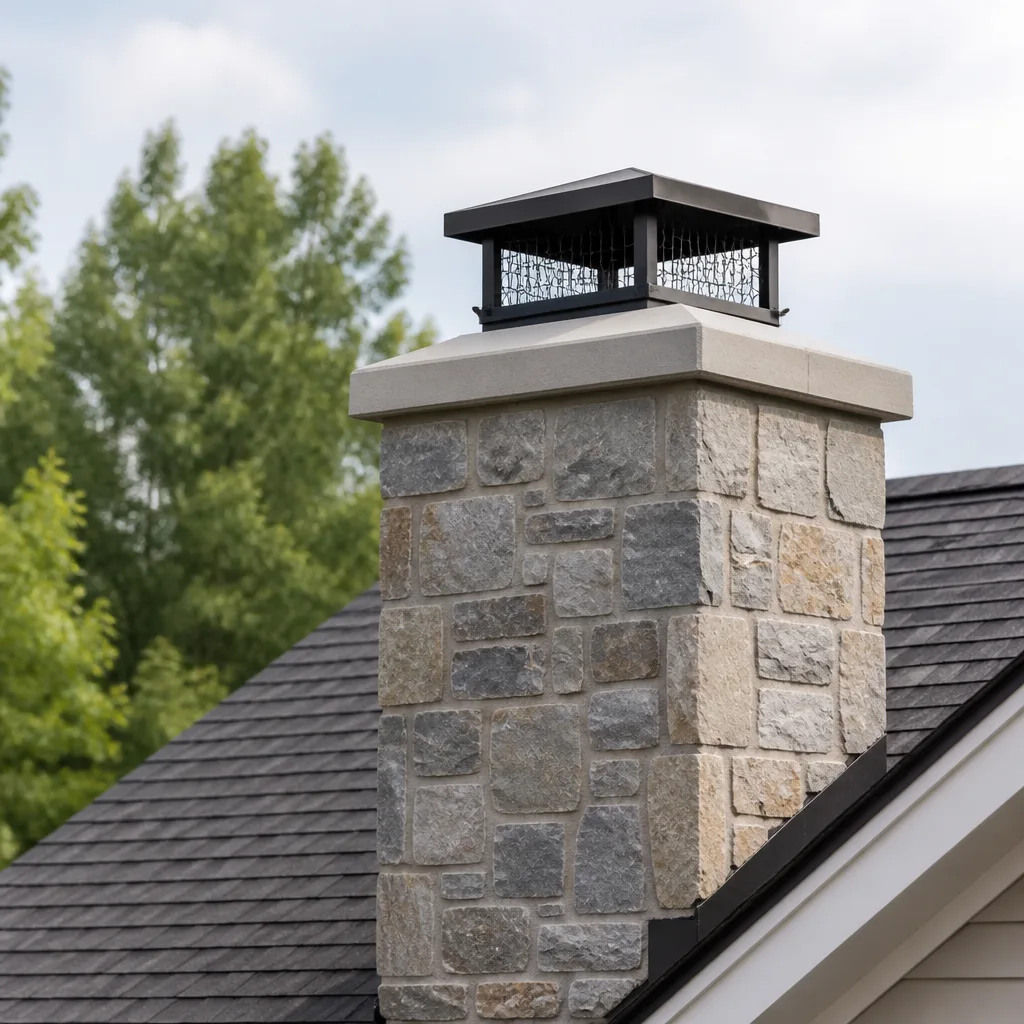 Caps & crowns
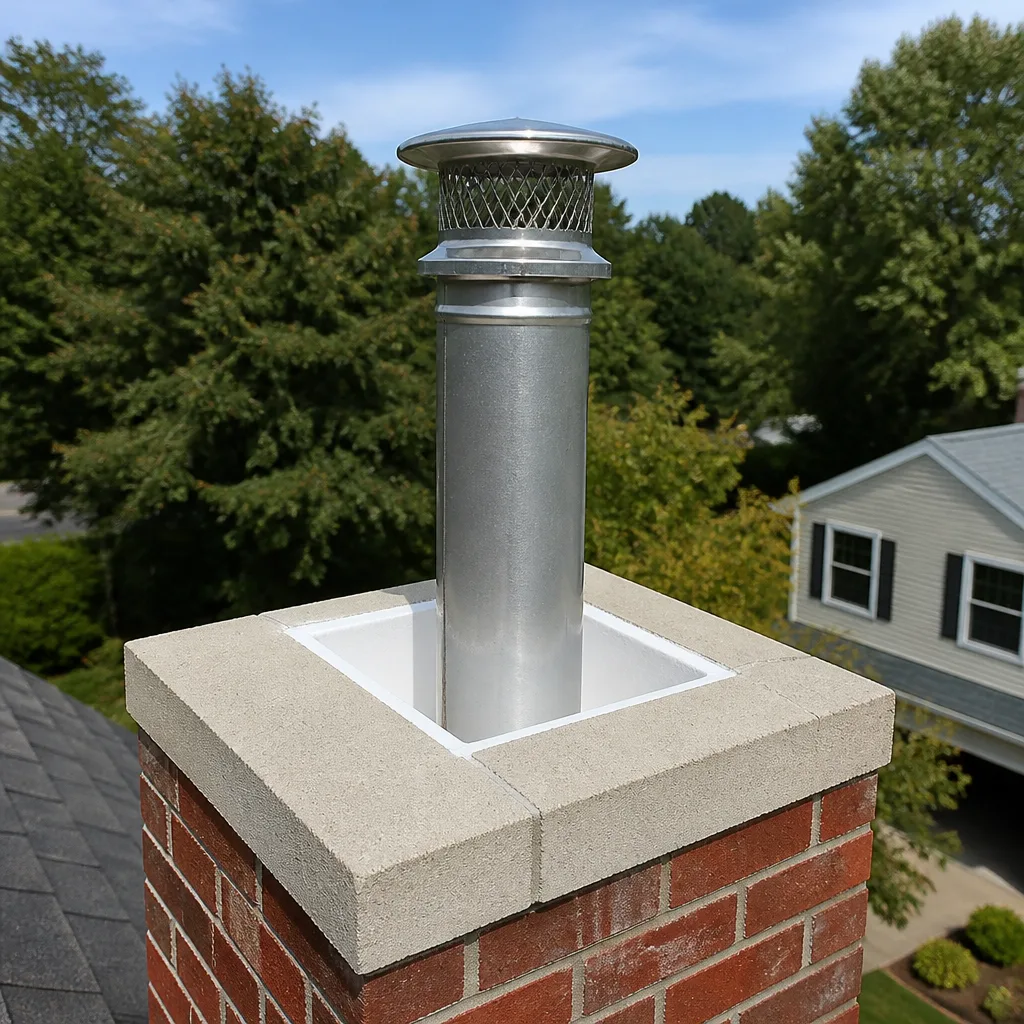 Flue relining
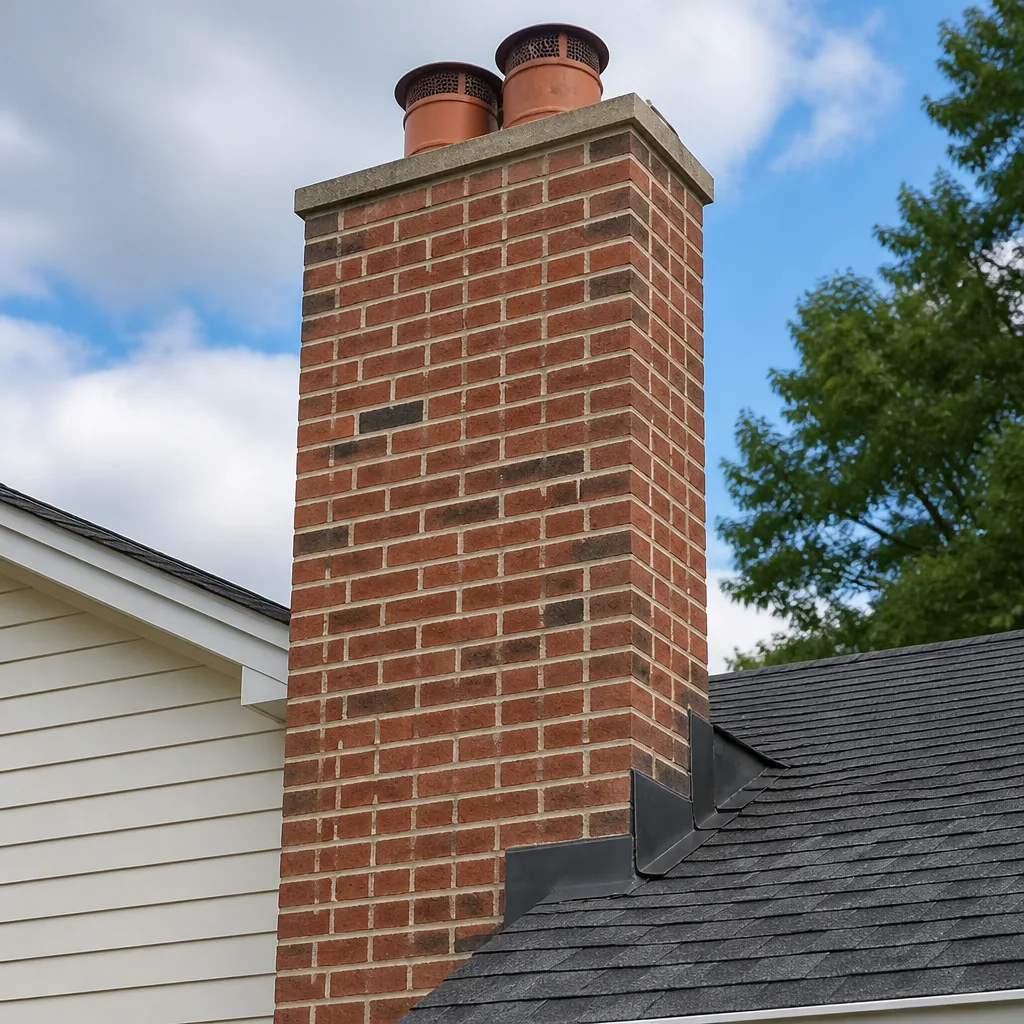 Masonry repair
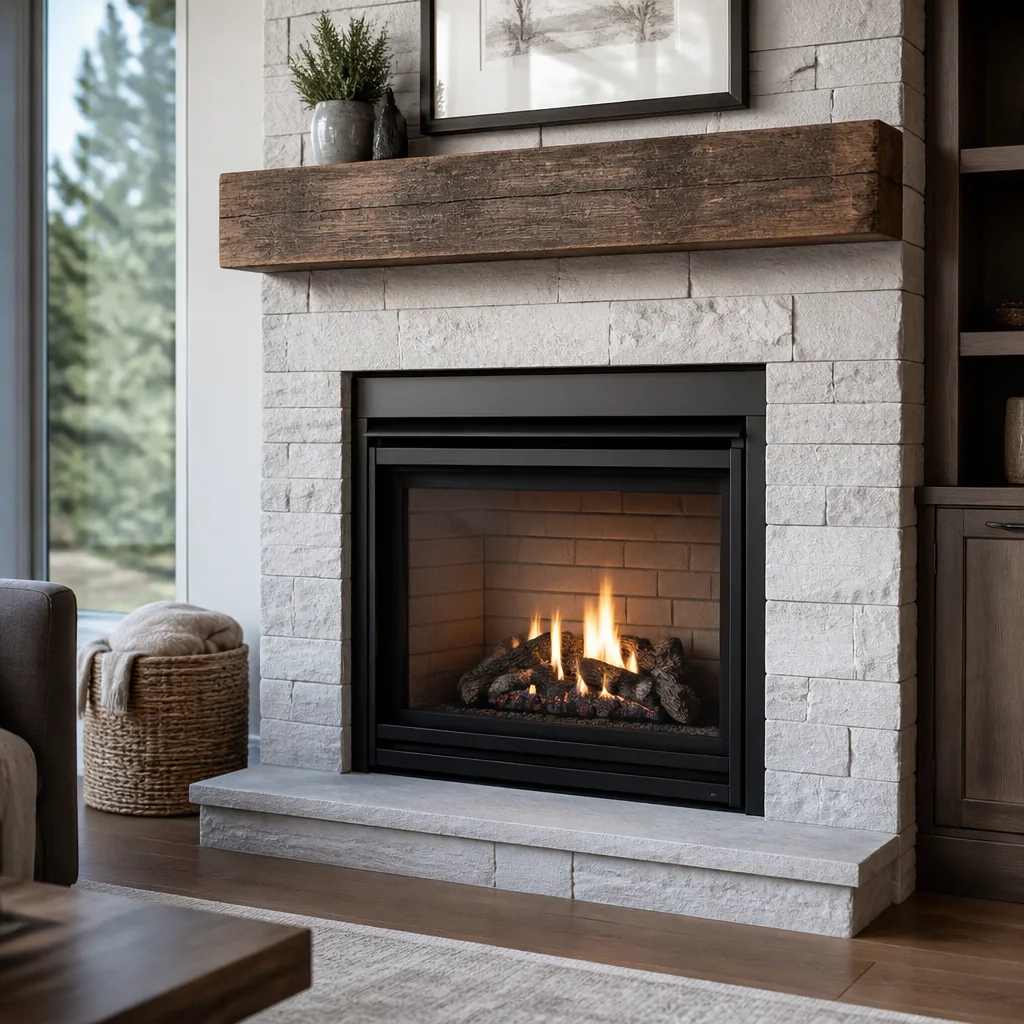 Gas fireplace service
Level 1 sweep and inspection to the NFPA 211 annual standard - flue, crown, cap, and flashing checked and photographed
Chimney sweep logs do not sweep chimneys. They loosen some creosote - which then falls where a brush and vacuum still have to collect it.
Chimney Cleaning Emergency Preparedness Guide for South Jordan Homes
Most people picture a chimney fire as a roar you couldn’t possibly miss. In our experience, that’s the exception. A chimney fire often announces itself with a low rumble, a series of sharp pops, or a sound like distant thunder inside the flue – and plenty of homeowners have sat right next to one for twenty minutes assuming the furnace was cycling oddly. The gap between “something sounds off” and “call 911” is where damage gets worse and the danger climbs. This guide walks through how to recognize a real chimney fire, exactly what to do in the first two minutes, what to document before anything happens, and how the inspection and repair sequence works afterward. It’s written for South Jordan homes that run a fireplace through a real Utah winter.
Quick Answer
If you suspect a chimney fire in progress – roaring or popping sounds from the flue, a hot chimney exterior, dark smoke or flames at the top – close the damper if it’s safe to reach, get everyone out of the house, and call 911. Never throw water into a hot flue. After any suspected fire, don’t light another fire until a Level 2 inspection has confirmed the flue is sound.
Styles & brands we work with
- Sweep & inspection
- Caps & crowns
- Flue relining
- Masonry repair
- Gas fireplace service
Table of Contents
- How do you recognize an active chimney fire?
- What should you do in the first two minutes?
- How do you report a chimney fire in South Jordan?
- What should you document before an emergency?
- Why does a Level 2 inspection matter after a fire?
- What does the repair sequence look like?
- How do you avoid being upsold after a fire?
- How do you keep creosote from building up?
How do you recognize an active chimney fire?
A chimney fire is a combustion event inside the flue itself, usually fed by creosote that has accumulated on the liner walls. The tricky part is that creosote fires come in two flavors: a fast, loud, high-energy burn, and a slow, smoldering one that can quietly damage the liner over a longer stretch. South Jordan’s long heating season means creosote has months to build up between cleanings, and the dry, cold inversion days of January tend to be when flues get the most use and the least attention.
Watch and listen for a combination of these signals:
- Sound: a low rumble like a freight train in the distance, or a popping and crackling that’s louder and more rhythmic than normal fire noise.
- Smell: a sharp, acrid, hot-metal smell that doesn’t match the wood you’re burning.
- Visible smoke: dark or gray smoke puffing from the chimney top when you step outside, or smoke backing into the room despite an open damper.
- Heat: the chimney chase, the hearth surround, or the wall behind the fireplace feeling unusually hot to the back of your hand at arm’s length.
- Flue behavior: a draft that suddenly reverses or a fire that pulls hard and hot even with the damper partially closed.
If several of those stack up at once, assume it’s a fire and act. It’s far better to have the fire department confirm a false alarm than to wait out a real one you mistook for a draft problem.
What should you do in the first two minutes?
The order of operations matters, and it’s worth rehearsing mentally before you ever need it. In our experience, the biggest mistake homeowners make after a fire call is trying to fight the burn themselves before evacuating.
- Close the damper – if you can safely reach it. Cutting the air supply starves the fire. If the damper handle is too hot to touch or the fire is already roaring, skip this step and move straight to evacuation.
- Get everyone out of the house, including pets. Close the door behind you. Call 911 from outside.
- Don’t throw water on it. Water hitting a hot flue or firebox can cause a steam explosion and thermal shock that cracks the liner or masonry. It can also send scalding steam and ash back into the room.
- Don’t close the glass doors and walk away. The fire isn’t in the firebox anymore – it’s in the chimney. Sealing the front doesn’t address the burn inside the flue.
- Meet the fire crew outside and tell them where the cleanout is. That one piece of information helps them work faster.
Once the fire is out, the house is safe to re-enter, and the fire department has cleared the scene, the real work begins: understanding what the fire did to the inside of your chimney. That’s a job for a Level 2 inspection, covered below. If you want a same-week assessment from a specialist who handles the inspection and any repair in one visit, that’s the kind of job we take on across South Jordan.
How do you report a chimney fire in South Jordan?
Chimney fires are reported through 911, the same as any structure fire. Tell the dispatcher directly that you believe there is a fire inside the chimney or flue, not just in the firebox. That distinction helps the responding crew bring the right equipment and approach the scene with the assumption that the chase is hot.
Expect these questions, and have answers ready if you can:
- Your street address and the nearest cross street.
- Whether anyone is still inside the home.
- Whether you see smoke or flames from the roofline or chimney top.
- What’s currently burning in the firebox – wood, a fire log, or something synthetic.
- How old the home is and what the chimney is made of (masonry or a prefab metal chimney), if you know.
- Whether the chimney has been inspected or swept recently.
Two practical notes for South Jordan residents. First, most of the city’s older neighborhoods have masonry chimneys with clay tile liners while newer construction trends toward factory-built metal chimney systems. The responding crew will want to know which you have. Second, if the home has a metal chimney with a chase cover, let them know where it’s located – they’ll want to inspect it from the roof. Fire crews around the valley know the terrain well; tell them your address and stand clear of the driveway so the truck has room.
What should you document before an emergency?
The single most useful thing you can do before anything goes wrong is a one-page record of your chimney system. Keep it in a folder or a note on your phone, and update it after every service visit. Both the fire department and your insurance adjuster will thank you, and it shortens the claims process significantly.
Here’s what to have on hand:
- Liner type and material. Stainless steel flexible liner, clay tile, cast-in-place masonry – write down what you actually have. If you had a relining done, note the product. We install DuraFlex flexible liner systems for exactly this reason, and knowing the liner type matters after a fire event.
- Date of your last sweeping and inspection. A recent sweep record does not exempt you, but it does tell the inspector what was known to be sound beforehand.
- Appliance make and model. Your fireplace insert, wood stove, or gas appliance has a data plate, usually behind a door or panel. Photograph it. The manufacturer’s clearances and instructions may matter for the repair scope.
- Any prior repairs. Cap and crown replacement, mortar repointing, flue resurfacing, damper replacement – track what was done and when.
- Photos of the current condition. A few shots of the firebox interior, the damper, the chimney crown, and the roofline are surprisingly helpful if your insurer asks for pre-loss condition.
If you don’t have any of this, that’s not a crisis – it’s just a faster path to a proper inspection. A standalone inspection will fill in the missing pieces, and we offer it as its own service, not as an add-on to a sweep.
Why does a Level 2 inspection matter after a fire?
A Level 2 inspection is the standard scope for a chimney after a suspected fire. It goes beyond what a basic visual check covers: the inspector examines the accessible portions of the flue, the liner interior, the chimney exterior, the connections to the appliance, and the crown, and typically uses a camera to see the parts of the flue you can’t see by eye. A chimney fire can crack clay tile, distort a metal liner, open seams in the mortar joints, and warp a damper – none of which is obvious from the hearth.
The inspection looks specifically for:
- Cracked or spalled flue tiles – even hairline fractures compromise the barrier between flue gases and the framing of the house.
- Warped or separated metal liner sections – in factory-built chimneys, sections can pull apart at the joints.
- Damaged mortar joints in masonry chimneys, which open pathways for heat and gases.
- Distorted dampers and cracked firebox panels.
- Creosote glazing – the hard, glassy third-degree stage that a routine sweep can’t remove and that needs specialized treatment before you fire again.
- Crown and cap condition. Heat and water stress from a fire event often compound existing weather wear on the top of the chimney.
We treat a Level 2 inspection as a starting point, not an upsell. You get a written report with photo documentation so you can see what the inspector saw. If the flue turns out to be sound, you got a clean bill of health. If it isn’t, you have specific findings to price a repair against rather than a vague warning.
What does the repair sequence look like?
Not everything can be assessed on the day of the fire. Some of the chimney is simply too hot to inspect accurately, and some materials reveal their damage only after they’ve cooled. Here’s how the sequence typically runs on a South Jordan chimney.
Within the first day or two: the fire department has cleared the scene, and a specialist can do a preliminary assessment of the firebox, damper, and any visible damage from the hearth or the roof. If there’s water or extinguishing residue in the firebox, we can flag it and recommend keeping the fireplace out of service. Nothing structural should be decided at this stage.
Once the chimney has fully cooled – typically a few days to a week depending on how hot the fire ran – a full Level 2 inspection is done. Photo documentation of the flue interior, the crown, and the firebox comes back to you.
The repair decisions: most repair outcomes fall into one of these buckets:
- Simple cleaning and creosote removal if the fire did no structural damage but left glazed creosote behind.
- Flue resurfacing with HeatShield if there are isolated cracks in a clay liner that don’t warrant full replacement. It restores a smooth, sealed flue surface and extends the liner’s life.
- Full relining with a stainless flexible liner if the original liner is too compromised to resurface. We install DuraFlex flexible liner systems, which work well in the older masonry chimneys common in South Jordan.
- Cap and crown replacement if the fire or associated water damage compromised the top of the chimney. We stock and fit Famco and Olympia Chimney products for this.
- Fireplace repairs to the firebox, damper, or surround if the fire extended beyond the flue.
You don’t need to call a different contractor for each of those. One specialist who does sweep, inspect, repair, fireplace work, and cap and crown covers the whole scope.
How do you avoid being upsold after a fire?
Here’s the uncomfortable truth: the week after a chimney fire is when homeowners are most vulnerable to being sold work they didn’t need. It’s a stressful moment, the house smells like smoke, and somebody at the door is telling you the flue is a total loss. You deserve a clear explanation, not a hard close.
A few rules that protect you:
- Ask to see the camera footage. A proper Level 2 inspection produces photos of the flue interior. If someone recommends full relining without showing you what they saw, that’s a red flag.
- Get the findings in writing before authorizing repair. A written report with photos lets you compare estimates if you choose.
- Ask what can safely wait. A crack in a clay tile with a HeatShield resurfacing option is a very different scope than a liner that has fully failed. Any honest specialist will tell you which is which.
- Be cautious of the “do it today or your house will burn down” pitch. Structural danger is real, but the timeline is typically weeks, not hours – and nobody makes scope decisions in a parking lot with a clipboard.
- Confirm what brand and product goes into your home. When someone proposes a liner, ask what material and manufacturer. We work with DuraFlex, HeatShield, Gelco, Olympia Chimney, Famco, and Copperfield, and we’re happy to explain the role each plays.
Insurance claims are the other spot where documentation matters. Some policies call for a fire report and an inspection report; some adjusters want the pre-loss photos and the service records. Keep copies of all of it. If we inspect your South Jordan chimney, you get a photo report you can hand directly to your insurer instead of trying to explain the condition over the phone.
How do you keep creosote from building up?
Chimney fires are almost always a creosote problem, and creosote is almost always a cleaning frequency problem. In our experience, the homes that run into trouble are the ones where the fireplace is used heavily for a winter or two without a sweep. Here’s how South Jordan homeowners keep it manageable:
- Book a chimney sweep before the burning season starts each fall. One sweep a year is the baseline for a wood-burning fireplace used regularly.
- Burn seasoned, dry wood. Unseasoned or “green” wood produces far more creosote than dry, split hardwood.
- Don’t slow-burn all winter. Smoldering fires drive creosote deposits up more than hot, efficient fires do.
- Watch for glazed creosote – if a sweep reports stage-three glazed creosote, that’s a sign a chemical treatment may be needed before firing resumes.
- Inspect after any event. A fire is the obvious one, but a chimney strike, a nearby roof work job, or a strong windstorm that shifts the cap all warrant a look.
South Jordan’s dry, cold winter and hot, arid summer cycle puts steady thermal stress on masonry chimneys year-round. Keeping up with an annual sweep and inspection is the highest-value habit in this whole conversation. If you want a full picture of the seasonal service, see our Chimney Sweep South Jordan overview.
Common Mistakes to Avoid
- Waiting to call 911 because the fire isn’t loud. Slow, smoldering chimney fires still damage liners and open seams; sound is not a safety gauge. If you suspect a fire, call.
- Using water in the firebox. Water on a hot flue or firebox can cause thermal shock and send steam and ash back into the room. Close the air supply if it’s safe, evacuate, and let the fire crew handle it.
- Skipping the post-fire inspection to save a few hundred dollars. A cracked clay liner is invisible from the hearth. An inspection is what turns “probably fine” into a documented fact.
- Assuming a level of fire risk in South Jordan is lower because the climate is dry. Dry cold air supports combustion and drives harder, hotter fires – creosote buildup governs the risk, not the season.
- Relighting the fireplace the same week. Even after the fire is out, the flue needs to cool fully and be inspected before a fire is safe. Give it days, not hours.
- Hiring based on the first person who calls back. Establish baseline service with an annual sweep and inspection, and you’ll know who you’re dealing with before you need them in an emergency.
- Letting the chimney crown go. The crown is the concrete surface at the top that sheds water off the chimney. A cracked crown lets water into the masonry, which is the most common source of slow structural damage in South Jordan homes.
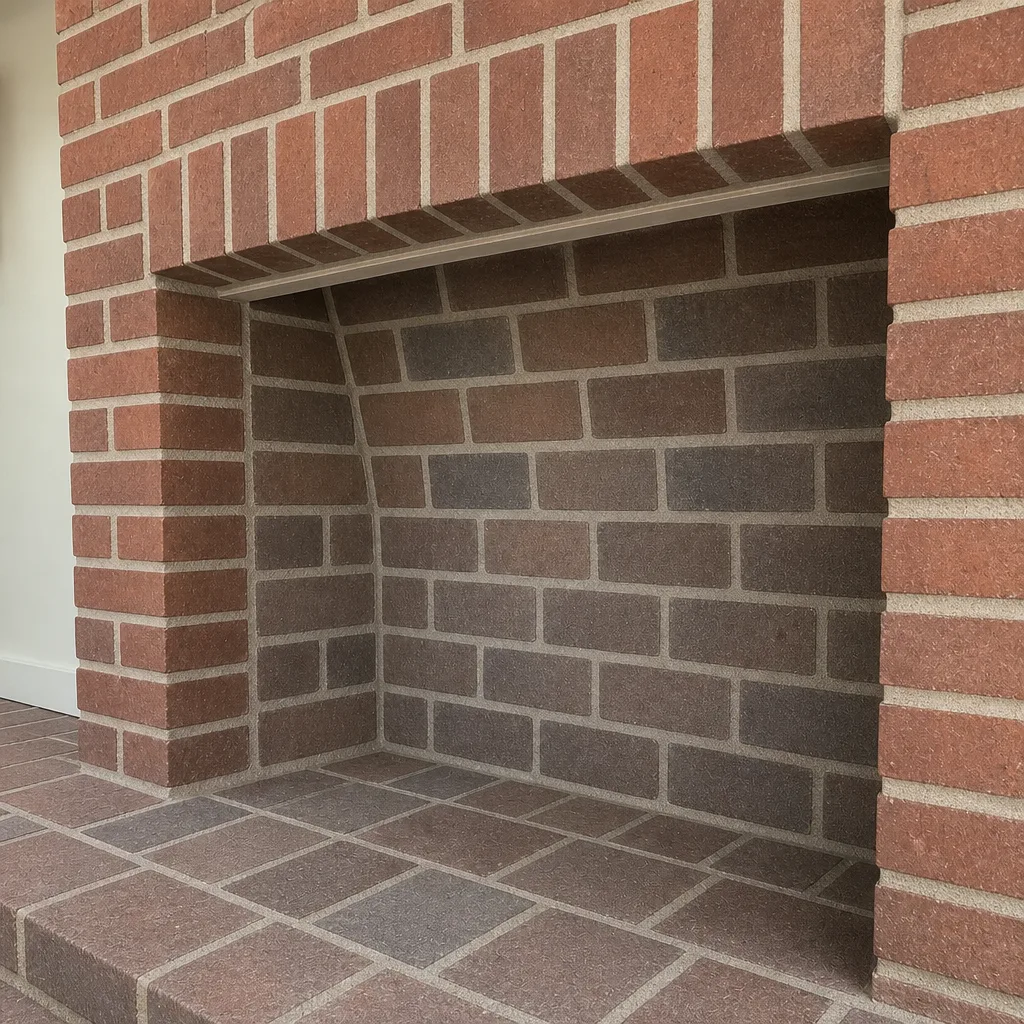
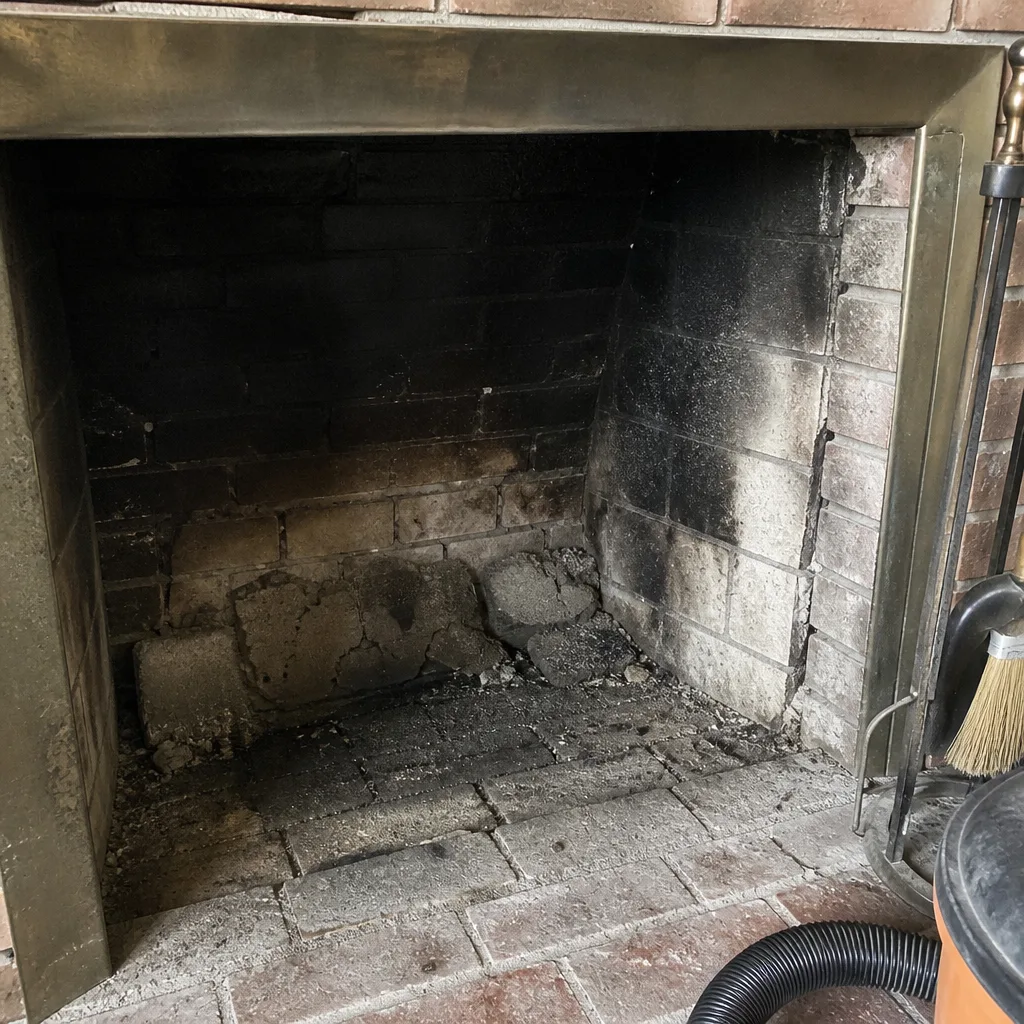
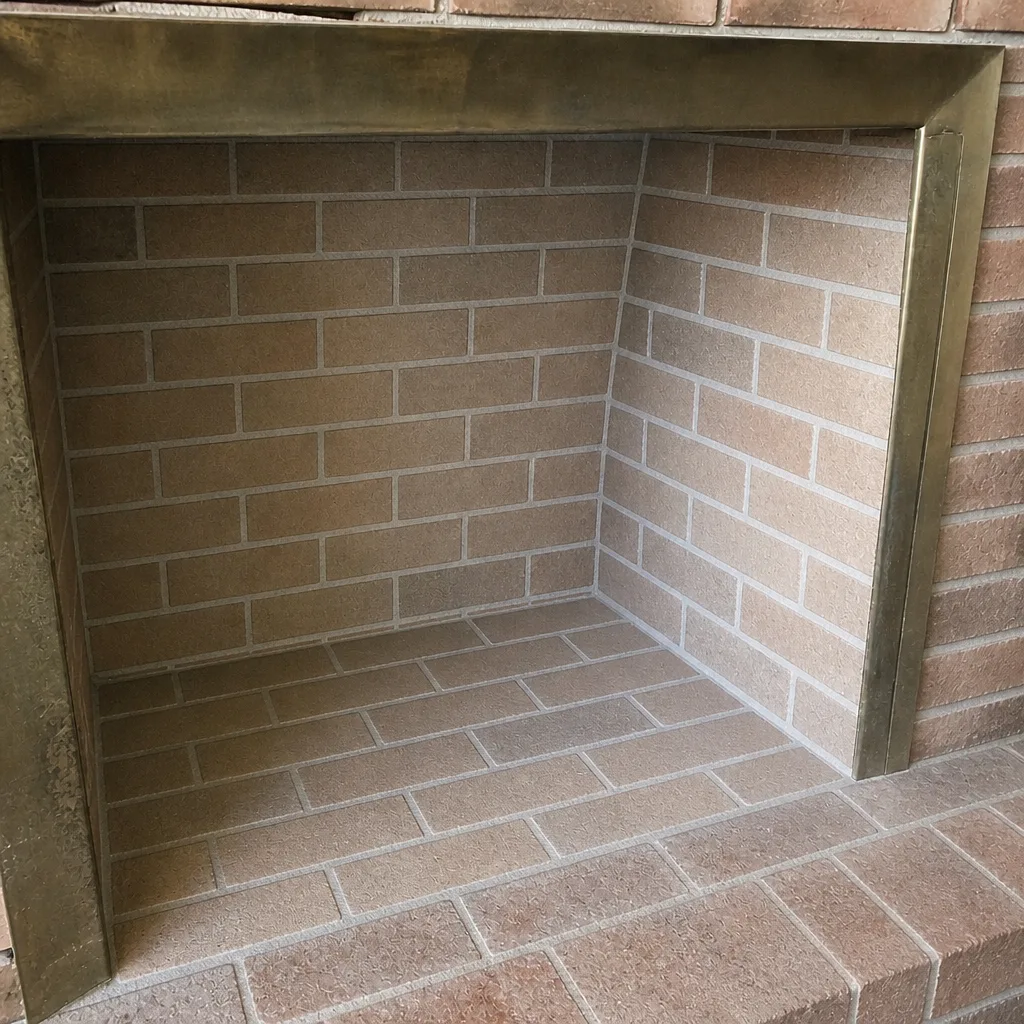
See the difference
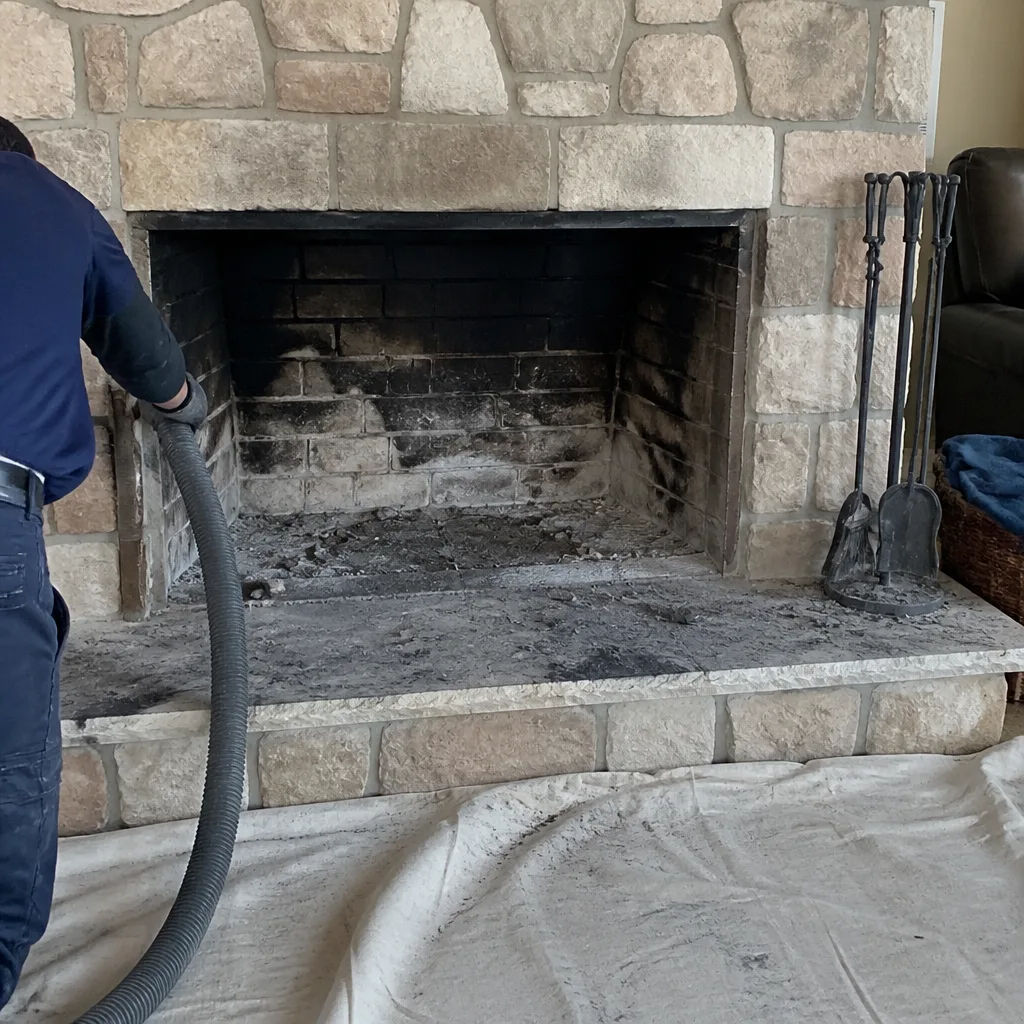 Before
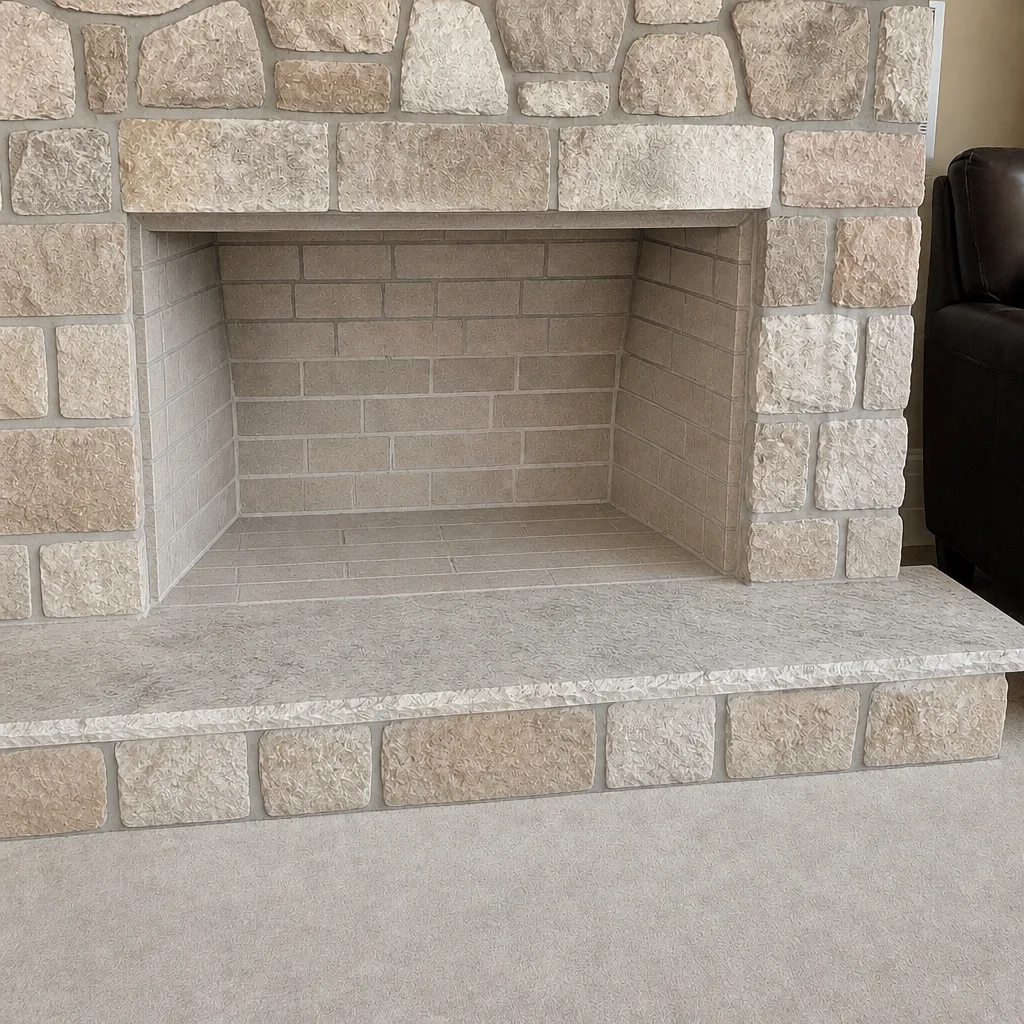 After
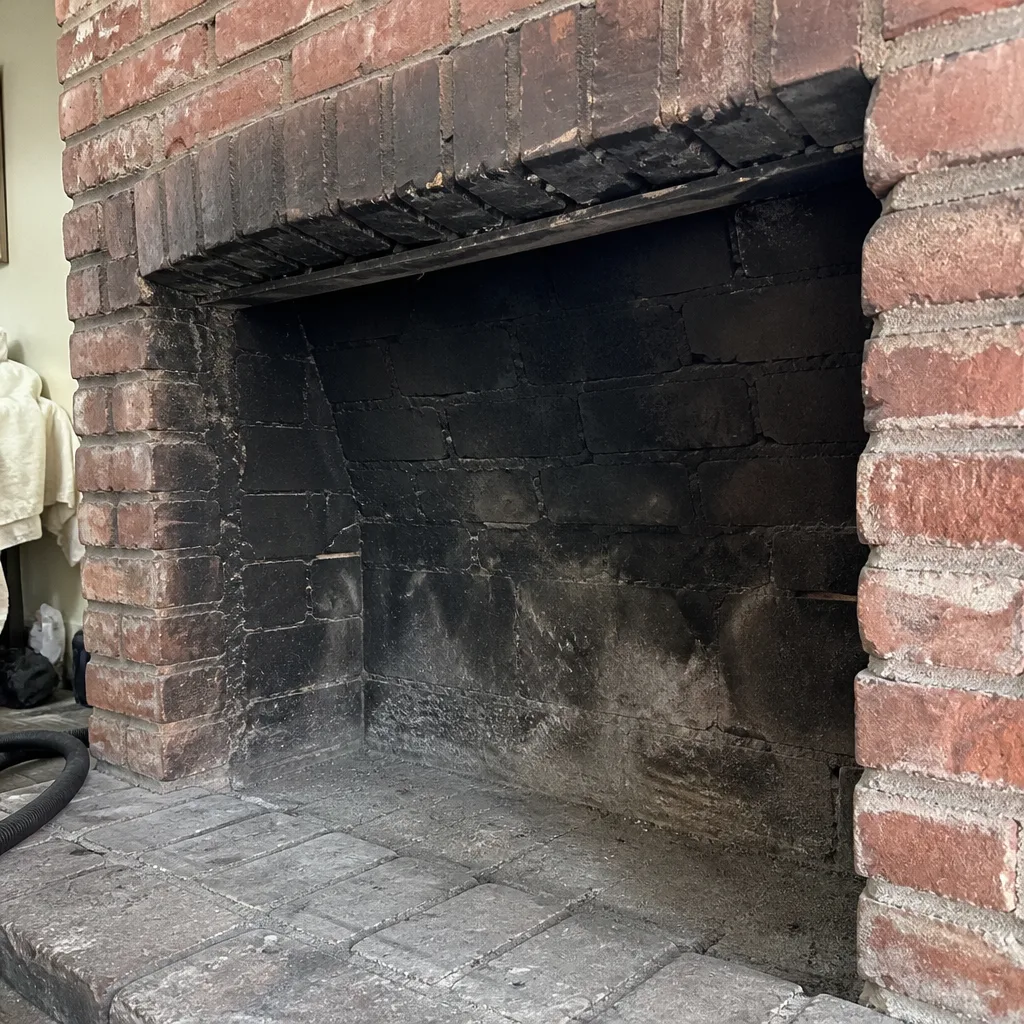 Before
 After
 Before
 After
When to Call a Professional
Call a chimney professional after any of the following: a suspected fire, a fire you’re certain of, a strong smell of smoke backing into the room when the fire is going, visible cracking in the firebox or damper, a piece of liner or masonry in the firebox, a cap that’s been dislodged by weather, water stains on the ceiling around the chimney, or a sweep that reports glazed creosote. Also call if it’s simply been a while – a fireplace that’s been used a full season without a sweep is due. If any of that sounds familiar, get an inspection scheduled and get a written report with photos. Chimney Sweep South Jordan offers free estimates in South Jordan – call (833) 508-9471. We answer 24/7. Fast dispatch from 7am to 7pm, Sunday through Friday.
Frequently Asked Questions
A chimney fire usually sounds like a low rumble, a heavy roar, or a series of pops inside the flue – not the crackle of a normal wood fire. If you hear something that sounds like a passing train or distant thunder from the chimney, treat it as a suspected fire, evacuate, and call 911. For a same-week inspection after a suspected fire, call (833) 508-9471 – estimates are free.
Yes – call 911 immediately and tell the dispatcher the fire is inside the chimney, not just the firebox. Close the damper only if you can reach it safely, get everyone outside, don’t use water, and stand clear so the responding crew can approach. The fire department confirms the chimney is fully out; a specialist handles the inspection and repair afterward. Call (833) 508-9471 to schedule the inspection – estimates are free.
Not always. Some fires leave the liner sound and need only a sweep and creosote treatment, while others crack clay tile or warp a metal liner enough to require relining. The right answer comes from a Level 2 inspection with camera footage of the flue interior, not from a phone diagnosis. If you’re told you need a full relining without seeing the camera footage, ask to see it. Call (833) 508-9471 for an honest assessment – estimates are free.
No – not until a Level 2 inspection has confirmed the flue is safe to use. Even if the fire looked modest, a cracked liner or open mortar joint leaves the framing of the house exposed to heat and gases. Wait the days it takes to get the inspection done, then decide. Call (833) 508-9471 to book the inspection – estimates are free.
Once a year for a fireplace that gets regular use, plus after any suspected fire or major weather event. South Jordan homes typically run the fireplace heavily through the long heating season, and annual cleaning keeps creosote from reaching the glazed stage where it becomes harder to remove. Call (833) 508-9471 to schedule your sweep – estimates are free.
Creosote builds up on the liner walls each season, and once it reaches the glazed stage it’s a fuel source waiting for a hot fire. The risk isn’t theoretical: it’s the most common cause of chimney fires. The good news is that a sweep is a routine, low-cost service that closes the gap. Call (833) 508-9471 to schedule – estimates are free.
The Bottom Line
Chimney fire preparedness comes down to three things: knowing what a fire sounds and smells like, knowing the exact order of actions in the first two minutes, and knowing that a Level 2 inspection is what turns “the fire is out” into “the chimney is safe to use.” Everything else – documentation, liner records, the repair sequence, the upsell conversation – flows from those three. If you take one action away from this guide, make it the annual sweep and inspection. That’s the habit that keeps you on the safe side of the whole chain of events. When you’re ready to schedule, our chimney repair and fireplace repair teams are set up to handle whatever an inspection turns up.
If you’ve had a suspected fire, if it’s been a season or more since your last sweep, or if you just want the peace of a written inspection report in hand, call (833) 508-9471 for a free estimate. We answer 24/7. Fast dispatch from 7am to 7pm, Sunday through Friday. A call outside dispatch hours is booked into the next opening, Sunday through Friday, 7am to 7pm. Our technicians have up to 10 years of experience, and we install DuraFlex, HeatShield, Copperfield, and the rest of the professional-grade materials homeowners ask for by name.
Written by the team at Chimney Sweep South Jordan.