
Last updated November 24, 2026
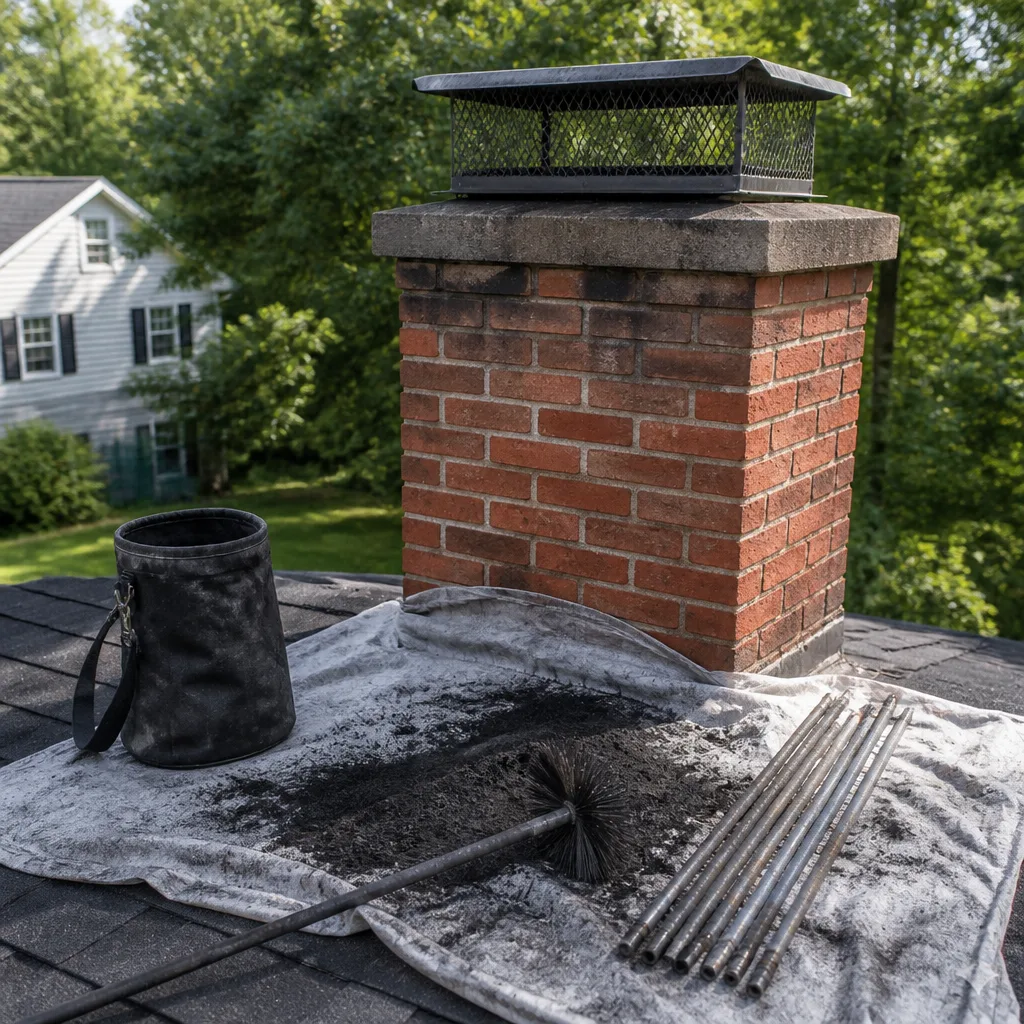 Sweep & inspection
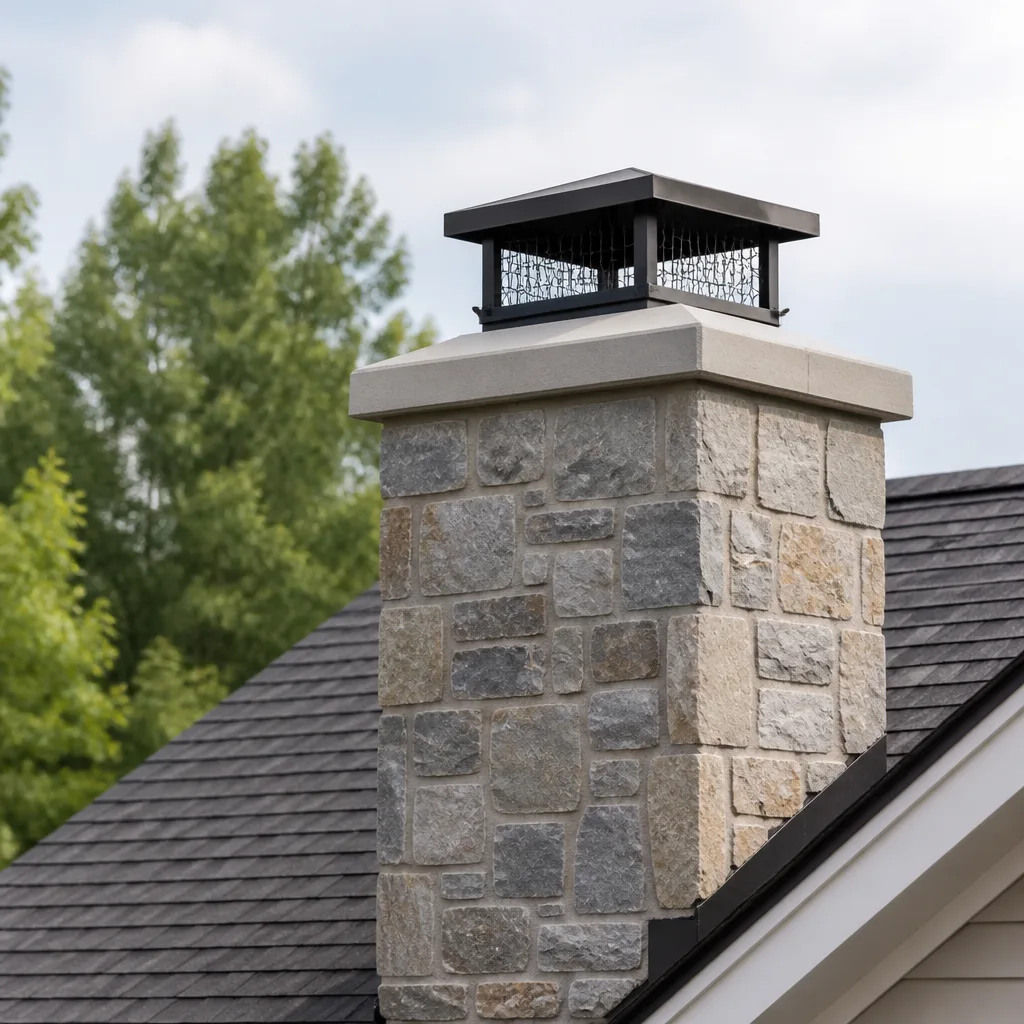 Caps & crowns
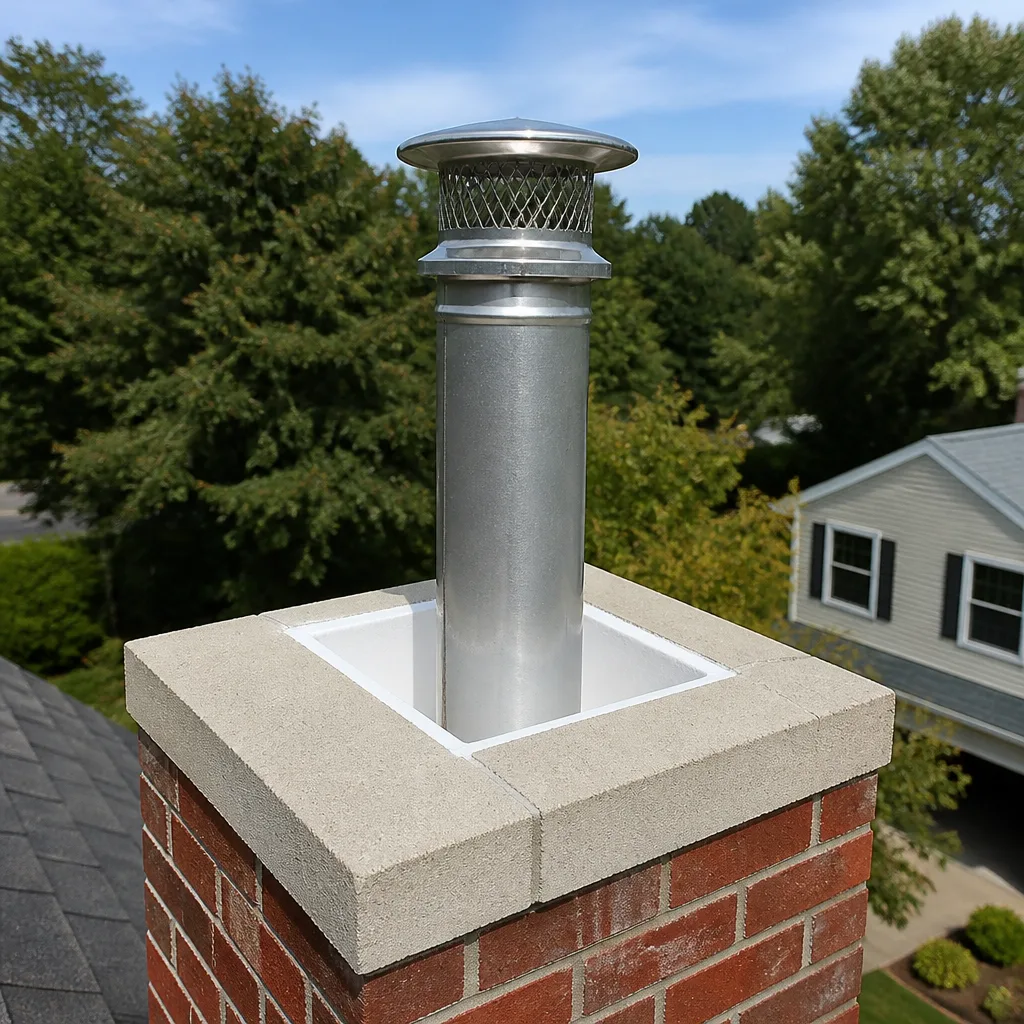 Flue relining
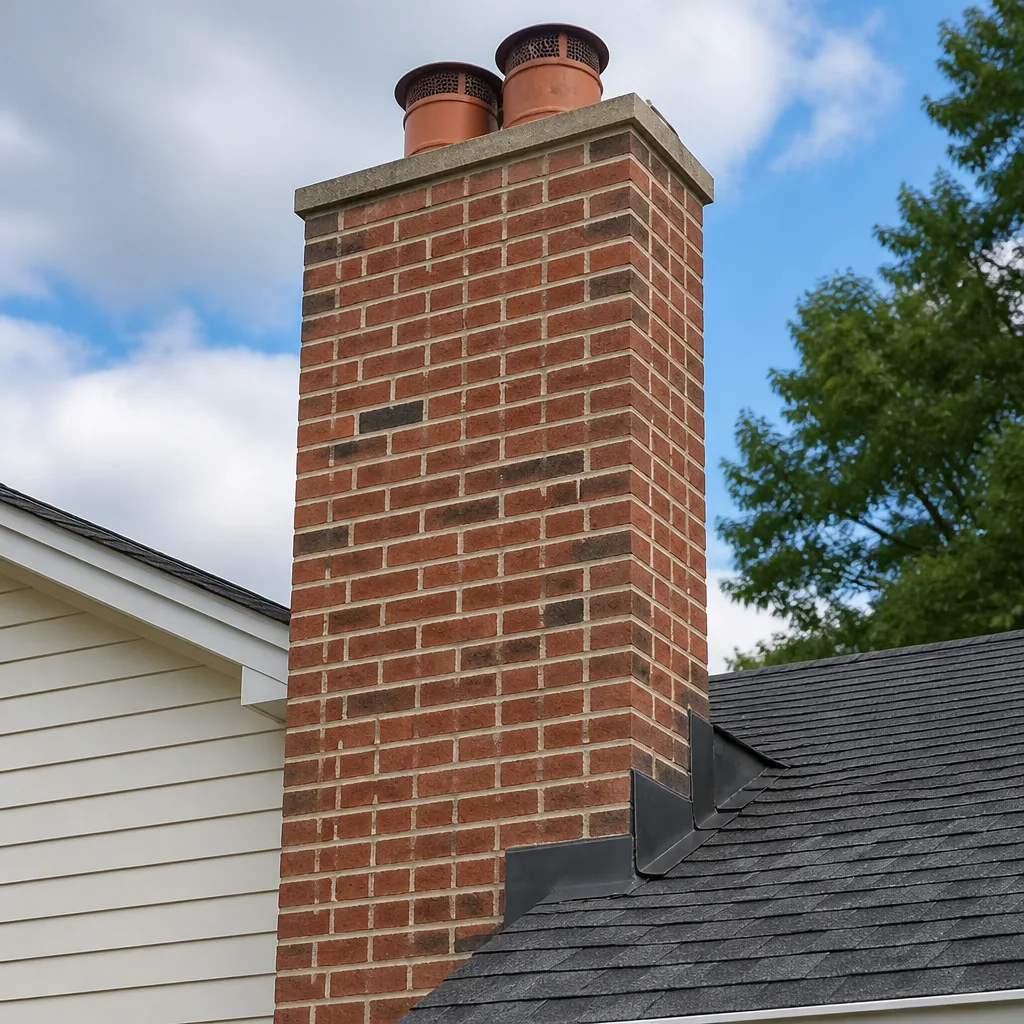 Masonry repair
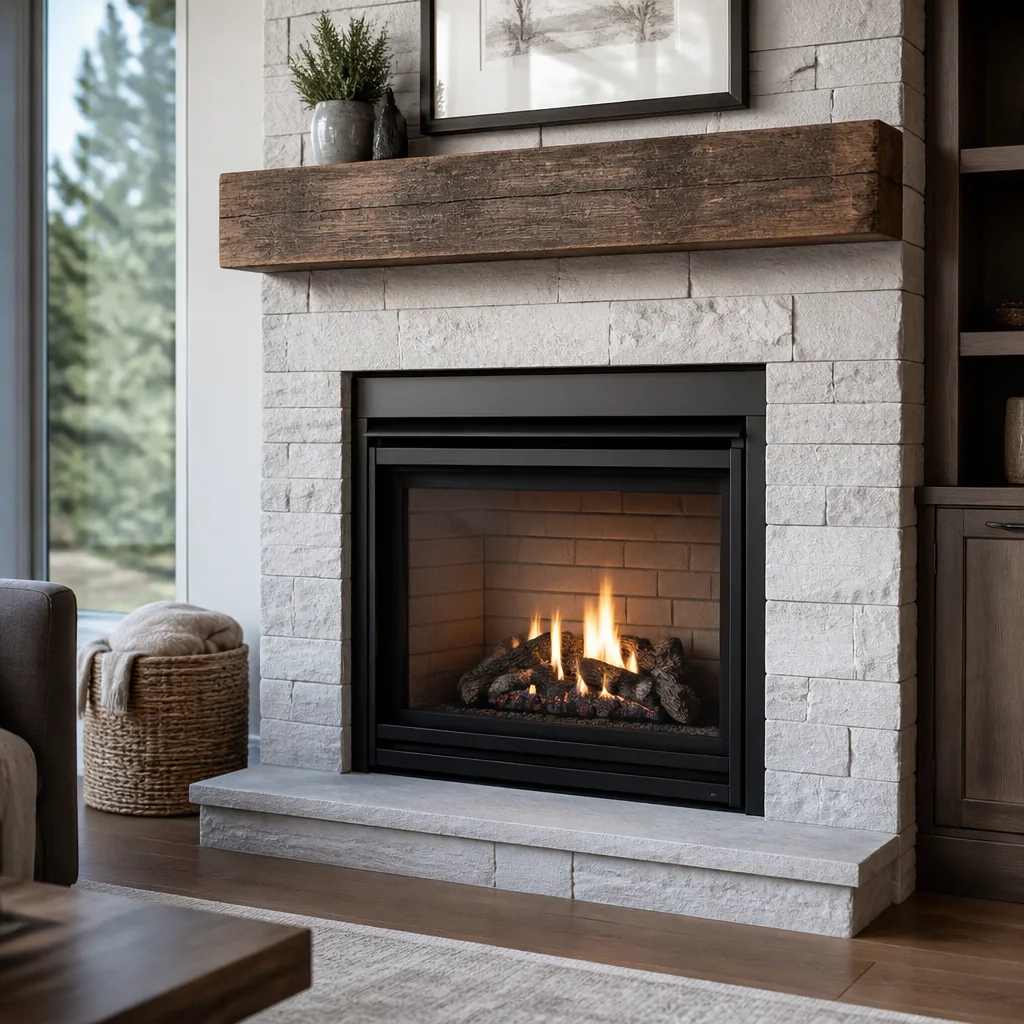 Gas fireplace service
Level 1 sweep and inspection to the NFPA 211 annual standard - flue, crown, cap, and flashing checked and photographed
Chimney sweep logs do not sweep chimneys. They loosen some creosote - which then falls where a brush and vacuum still have to collect it.
Chimney Cleaning Warning Signs: A South Jordan Homeowner’s Reference Guide
A strong smoke smell in your living room during a fire isn’t a cleaning problem. It’s a draft problem, and sweeping the flue won’t fix it. Most chimney warning sign lists make the opposite mistake: they lump a soot smudge on the firebox door in with a cracked liner and tell you to call immediately for both. That’s how homeowners end up either ignoring everything or panic-calling at every mark on the brick. In this guide, we separate chimney warning signs into three tiers so you can respond in proportion to what you’re actually seeing. You’ll learn which signs mean stop using the fireplace now, which mean schedule service within a month, and which belong on your next annual report. You’ll also learn how South Jordan’s inversion season changes what draft problems look like from one month to the next.
Quick Answer
Stop using your fireplace immediately if you see glazed, shiny creosote, cracked liner tiles at the firebox throat, or smell the sharp, tar-like odor of a chimney fire. Schedule service within 30 days for white staining on exterior brick, flaking brick faces, a damper that won’t seal, or a sluggish draft. Everything else, including light soot and minor rust on the firebox door, belongs on your next annual inspection report rather than an emergency call. Chimney Sweep South Jordan handles all three tiers, and we tell you plainly which one you’re in.
Styles & brands we work with
- Sweep & inspection
- Caps & crowns
- Flue relining
- Masonry repair
- Gas fireplace service
Table of Contents
- The Three-Tier System: Why Not Every Warning Sign Is an Emergency
- Tier 1: Signs That Mean Stop Using the Fireplace Now
- Tier 2: Signs That Mean Schedule Service Within 30 Days
- Tier 3: Signs to Note and Monitor
- How to Read the Smell: Draft, Creosote, or Water Intrusion
- What South Jordan’s Inversion Season Does to Your Draft
- What a Proper Sweep and Inspection Actually Involves
- When to Call a Professional
The Three-Tier System: Why Not Every Warning Sign Is an Emergency
Most homeowners we talk to in South Jordan fall into one of two camps. Some have never had their chimney swept and don’t see the point. Others call at the first sign of soot and expect someone to come out the same day. Neither instinct is wrong so much as undifferentiated. A chimney is a structure with three separate risk profiles: fire hazard, water damage, and wear. Each one behaves differently and each one deserves a different response speed.
The three-tier system is a way to sort what you’re seeing into those risk profiles. Here’s how it works:
- Tier 1 – Stop now. Something in the chimney is actively dangerous. You need to extinguish the fire, close the damper, and call before you burn again.
- Tier 2 – Schedule within 30 days. Something is degrading. It’s not going to burn your house down tonight, but the longer it goes, the more expensive the fix becomes.
- Tier 3 – Note and monitor. Cosmetic wear or early signs of slow deterioration. These belong on your annual inspection report so you can track them over multiple seasons.
The reason this matters is creosote. Creosote accumulates in every wood-burning chimney, but it has stages. The early stage is soft, flaky, and easy to brush away. The later stage is hard, glazed, and requires a different removal method entirely. Homeowners often assume any accumulation is an emergency because they’ve read that creosote causes chimney fires. True, but a light flake layer at the end of the season isn’t the same thing as a glazed deposit that’s been building for years. Knowing the difference is the whole skill.
We do a lot of sweeps in neighborhoods like Daybreak and the older streets near the Jordan River where wood burning is a part of winter routine. The pattern is consistent: the homeowners who panicked at the first sign of soot tend to also have the cleanest, safest chimneys, because they got eyes on the inside early. The ones who waited until they smelled something sharp usually need more than a sweep.
Tier 1: Signs That Mean Stop Using the Fireplace Now
These are the signs that indicate an active or imminent fire hazard. If you see or smell any of them, stop burning and call a professional before your next fire.
Glazed, shiny creosote on the flue walls
This is what a chimney sweep calls stage-3 creosote. It looks like dark glass or tar baked onto the flue. It’s hard to remove without specialized tools and it burns at very high temperatures. If you’ve looked up your flue and seen a shiny black coating, that’s the signal to stop. Sweeping alone may not remove it, and in severe cases a chimney sweep will recommend a chemical treatment or a full liner replacement. Our technicians have up to 10 years of experience identifying which removal method a given buildup needs. If the flue is cracked underneath the creosote, a HeatShield resurfacing application can extend the life of the liner before full replacement becomes necessary.
Cracked flue tiles visible at the firebox throat
Look up from the firebox into the smoke chamber. If you can see broken or missing tiles, missing mortar joints, or gaps in the flue, the chimney is no longer containing combustion gases the way it should. Cracks at this level let heat and carbon monoxide travel into the framing of the house. This is not a “watch it for a while” situation.
Sounds and smells of a chimney fire
A chimney fire can be loud (popping, crackling, a roaring sound like a freight train) or it can be quiet. Whether you hear it or not, the smell is distinctive: a sharp, hot, tar-like odor that lingers in the house after the fire has been put out. Even if the fire went out on its own, the chimney needs to be inspected before you burn again. Damage to the liner can be invisible from the outside.
Anything that feels warm in places it shouldn’t
If the masonry on the face of the chimney is hot to the touch while a fire is burning, or if drywall or wood near the chase is warm, combustion gases are escaping the flue. Extinguish the fire and call us. This is a structural failure, not a maintenance item.
Safety note: do not attempt to inspect, sweep, or repair a flue with confirmed glazed creosote or cracked tiles yourself. The risk of dislodging debris and blocking the flue, or of injuring yourself on a roof, is real and not worth a saved service call. A trained professional with the right tools can do the job safely.
Tier 2: Signs That Mean Schedule Service Within 30 Days
These signs point to developing problems. They aren’t going to cause a fire on their own tonight, but left alone they get more expensive and eventually cross into Tier 1. Schedule a service call within a month of noticing them.
White staining on the exterior brick
That chalky white powder is called efflorescence. It means water is moving through the masonry and evaporating on the surface, leaving salts behind. Water and masonry don’t mix; the freeze-thaw cycle in South Jordan’s winters forces cracks to widen, and moisture on the inside of the chimney degrades the flue. A chimney cap or crown problem is the usual cause. We work with Gelco and Famco cap and crown products to seal the top of the chimney, which is where most water intrusion starts.
Spalling brick faces
Spalling is when the face of the brick peels or flakes off. It’s an advanced sign of the same water issue. Once brick faces spall, the chimney is losing structural mass and needs repair, not just weatherproofing. We handle chimney repair as a standalone service, which means you’re not bouncing between a mason and a sweep trying to figure out who owns the problem.
A damper that won’t seal
With the damper closed and the fireplace empty, you shouldn’t be able to feel cold air coming down the flue. A damper that’s warped, rusted, or won’t seat means heat is escaping the house all winter and cold air is coming down the chimney when you’re not burning. It also means you can’t fully shut the flue in an emergency. An Olympia Chimney damper replacement is a straightforward fix.
Slow or sluggish draft
If the fire takes a long time to catch, smokes a little at the start, or just feels weak, the draft is underperforming. Causes range from creosote buildup restricting the flue to a too-short flue to negative pressure in the house. A chimney sweep can identify which one is happening. This is a common complaint in South Jordan homes built with tight modern envelopes.
Tier 3: Signs to Note and Monitor
These are the signs that get mixed into warning lists but don’t warrant a call. Note them, mention them at your next annual inspection, and move on. Reacting to Tier 3 as if it were Tier 1 is exactly what we’re trying to talk homeowners out of.
Light soot on the firebox walls or glass doors
A normal amount of soot after a season of burning is expected. It’s the byproduct of incomplete combustion. If it’s evenly distributed and doesn’t smell sharp, it’s just dirt. Cleaning is part of a routine sweep.
Minor rust on the firebox door or grate
Cast iron firebox components rust over time. If the fireplace is on an exterior wall and the house is humid, you’ll see it faster. Surface rust on the grate or door handle isn’t a structural issue. Rust on the firebox itself, especially if it’s progressing, is closer to Tier 2 because it usually indicates moisture from the top of the chimney.
Ash buildup in the firebox
A shallow layer of ash is fine, and some chimney operators leave a thin bed to help the next fire start. Excess ash reduces airflow and can build up the flue faster. If the ash is more than an inch deep, scoop some out. That’s routine maintenance, not a service call.
A slightly smoky smell between burns
If the house smells faintly of smoke after the fire has burned out and the damper is closed, check that the damper is fully closed and that the flue isn’t blocked by debris. If the smell is strong, that’s a draft or creosote issue and it moves up to Tier 2.
We write annual inspection reports for South Jordan homeowners that track these Tier 3 items from year to year. If you have a hairline crack in a firebox joint that’s the same size in 2027 as it was in 2026, you have a stable condition. If it’s double the size, you have a problem. That’s the value of tracking, and it’s why a professional chimney sweep is worth scheduling annually even when nothing looks wrong.
How to Read the Smell: Draft, Creosote, or Water Intrusion
Smell is the most reliable sense you have for diagnosing a chimney problem, but only if you can tell the three distinct smells apart. They’re not the same issue and they don’t get the same fix.
Smoke odor during a fire: a draft problem
When smoke comes back into the room during a fire, the draft isn’t pulling the right way. Causes include a flue that’s too short for the chimney height, a house that’s too tight and depressurized, a firebox that’s been oversized for the flue, or a blocked flue cap. Sweeping won’t fix a draft problem. It might make the flue pass slightly more air, but if the geometry is wrong, the smoke will come back. We’ve seen this most often in newer South Jordan construction where the fireplace and the kitchen exhaust fan fight for air. A make-up air solution or a flue extension is a better fix than another sweep.
Sharp, tar-like smell after a fire: creosote
That pungent, almost gasoline-like odor is the signature of creosote, particularly the glazed kind. It smells strongest after the fire is out and the chimney cools off. If you smell it between burns, the accumulation is getting heavy. This is a sweep, and if the creosote is glazed, it’s a sweep with a specialized tool or chemical treatment.
Musty, damp, or earthy smell: water intrusion
A chimney that smells like a basement or wet dirt is holding moisture. The smell comes from mold and mildew growing on wet masonry or on the creosote that’s gotten wet. Look for efflorescence on the exterior and check the cap and crown. Water intrusion is a cap and crown problem more often than anything else. We stock and install Gelco and Famco caps that keep water and animals out.
How to tell them apart in practice
- Does the smell appear during a fire? That’s a draft problem.
- Does the smell get worse as the chimney cools? That’s creosote.
- Does the smell persist between seasons and feel musty rather than sharp? That’s water.
- Does the smell seem to come from the masonry and not the flue? That’s water, almost always.
If you’re not sure which one you have, that’s fine. Write down what you noticed and when, and mention it when you call. That information lets us bring the right tools.
What South Jordan’s Inversion Season Does to Your Draft
South Jordan sits in the Salt Lake Valley, and the valley has a weather pattern that changes how fireplaces behave between October and February. Cold air settles into the valley under a warm layer above it, and that cap of warmer air traps a pocket of cold air at ground level. This is inversion season, and it does two things to a chimney.
First, it reduces the temperature differential the chimney relies on. A chimney drafts because hot exhaust is lighter than cold outside air and rises. When the outside air is already cold and topped with an even colder layer at altitude, the pressure differential across the chimney changes. Fires that pulled beautifully in October start smoking back in January. The house hasn’t changed. The weather has.
Second, it makes the outdoor air smell like a fireplace. Inversions trap smoke and particulate near the ground. If you’re smelling wood smoke in the neighborhood during a January inversion, it’s not necessarily your chimney. It’s everyone’s combined output trapped under the cap. That’s why a fireplace that works fine in October can seem like it’s failing in January.
What to do about it: if a South Jordan homeowner notices smoke back during an inversion, we don’t immediately assume the chimney is at fault. We check three things: the flue for creosote restriction, the flue cap for blockage, and the make-up air situation for the house. In many cases, the fix is a heated flue or a small draft inducer. In some cases, the answer is simply to burn less during inversion days and use the fireplace when the weather patterns allow it. That’s an honest answer, and it’s the one we give.
If you’re noticing draft problems that seem seasonal and you’re not sure whether your chimney is at fault, an inspection by Chimney Sweep South Jordan will tell you. We’ll run a camera through the flue and show you exactly what we find.
What a Proper Sweep and Inspection Actually Involves
A chimney sweep is more than a brush through the flue. Here’s what a complete service visit should include, whether it’s for routine maintenance or because you noticed one of the signs above.
- Exterior check. We look at the chimney cap, crown, brick, and flashing from the roof or from the ground depending on pitch and access. We’re looking for efflorescence, spalling, rust on the cap, and animal nests.
- Firebox and smoke chamber check. We inspect the firebox for cracks in the brick and mortar, look up into the smoke chamber for glazed creosote, and check the damper operation.
- Flue sweep. We use brushes sized to the flue to remove creosote buildup. For glazed creosote, we use a specialized removal method rather than just a brush, because brushing alone won’t take it off.
- Camera inspection. We run a camera down the flue to look for cracks in the liner, missing mortar joints, and debris. We document what we find with photos, and we show you the photos in person. Nothing gets recommended without you seeing the evidence.
- Written report. We leave you with a written summary of what we found, what tier each item falls into, and what can wait. If a liner crack is minor and your flue is sound, we’ll tell you that too.
If the inspection turns up a cracked liner, we can apply HeatShield, a resurfacing method that extends liner life before full replacement is necessary. If the liner is too far gone, we install DuraFlex flexible liner systems, which handle complex or aged flue configurations that rigid liners can’t. If the issue is elsewhere, we handle fireplace repair as a standalone service. From your first sweep to a full liner restoration, we handle it in one visit.
We work with the brands professionals trust: DuraFlex, HeatShield, Copperfield, and more. If you want to know what material is going into your home before the work begins, ask us. We’ll tell you the brand and why it’s the right fit.
Common Mistakes to Avoid
- Treating a soot smudge like a fire hazard. A mark on the firebox door isn’t the same thing as glazed creosote on the flue. Sorting the two by tier saves you a panic call and a service fee. If you’re not sure which you’re looking at, take a photo and mention it when you call; we can usually tell from the description.
- Assuming sweeping will fix a draft problem. If smoke is coming back into the room during a fire, the issue is usually flue geometry, make-up air, or a blocked cap, not buildup. A sweep alone won’t fix it. A proper inspection will show you which.
- Waiting out an active chimney fire. When a chimney fire is burning, the right move is to call 911 and get everyone out. Don’t wait for it to go out on its own and don’t assume it’s over because you stopped hearing the crackle. The liner needs an inspection before the next fire.
- Ignoring efflorescence because it looks cosmetic. That white powder is a warning that water is moving through the masonry. Left alone, it turns into spalling, and spalling turns into structural repair. This is one of the Tier 2 items that gets pushed off and shouldn’t be.
- Thinking you need a separate contractor for the repair after the sweep. This is common in South Jordan because many chimney services are sweep-only. If a sweep reveals a cap problem, a cracked flue, or a damper issue, the homeowner ends up scheduling a second visit. We handle sweep, inspection, chimney repair, fireplace repair, and cap and crown installation under one roof.
- Burning wet wood to save money. Wet wood burns cooler, produces more creosote, and increases the frequency of the buildup that causes Tier 1 problems. Seasoned wood is the single biggest preventive measure a homeowner can take.
- Skipping the annual inspection because nothing looked wrong. The most dangerous chimney issues happen inside the flue where you can’t see them. A chimney inspection isn’t a sales pitch; it’s a safety baseline, and a camera view of the flue once a year catches problems while they’re still Tier 2.
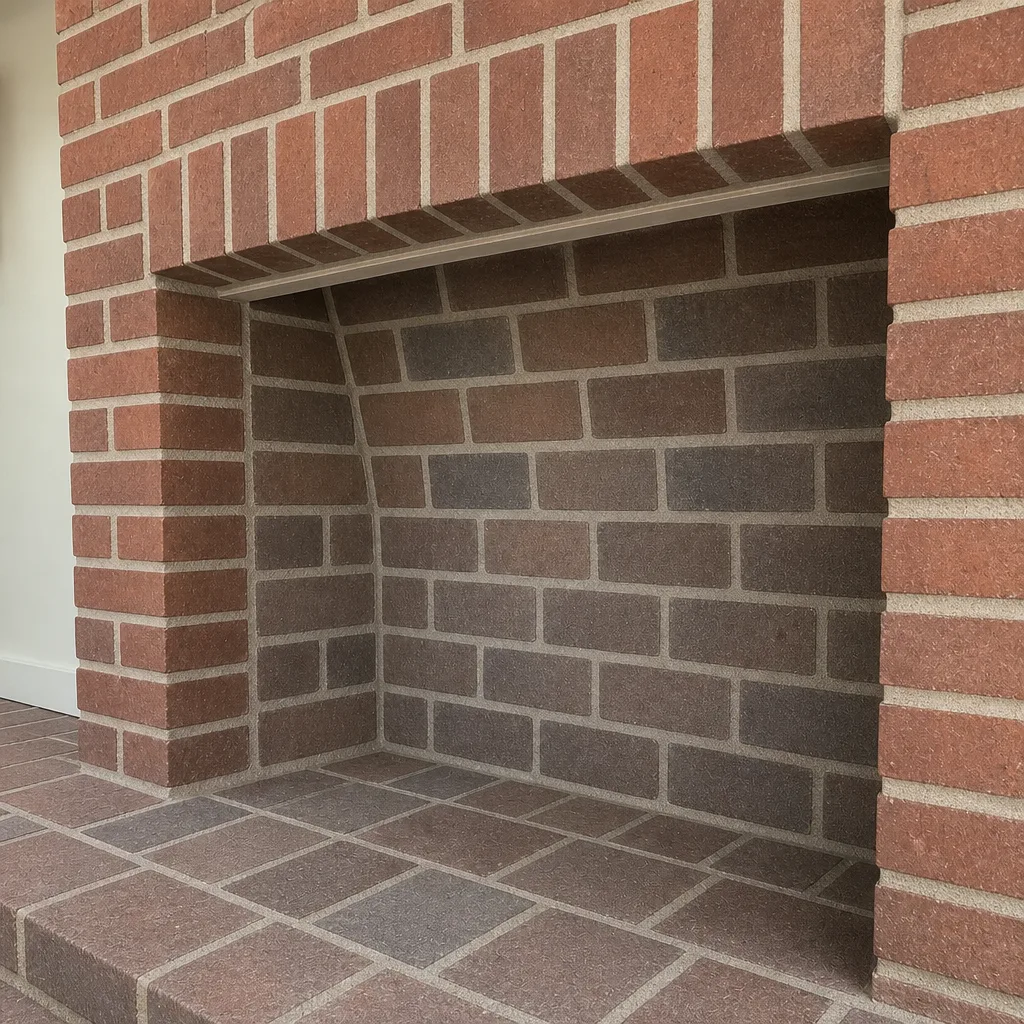
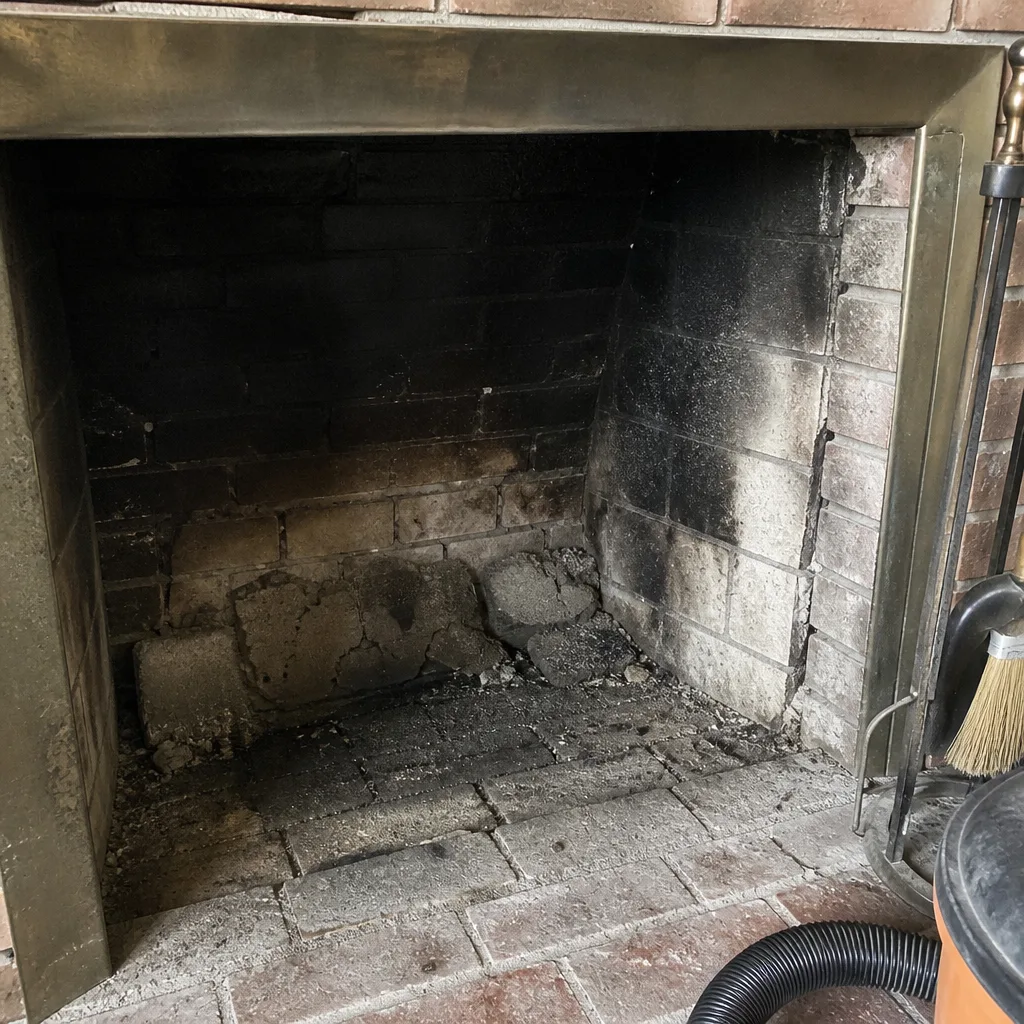
See the difference
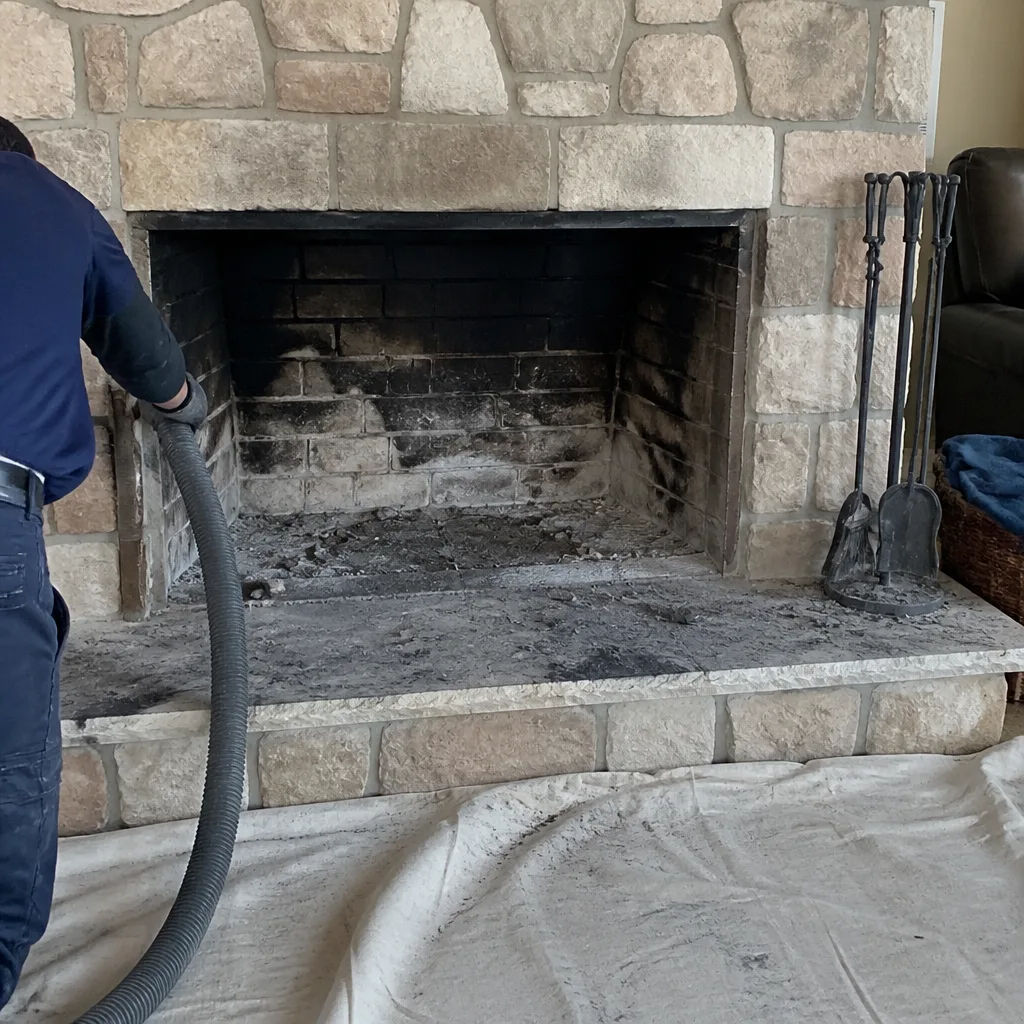 Before
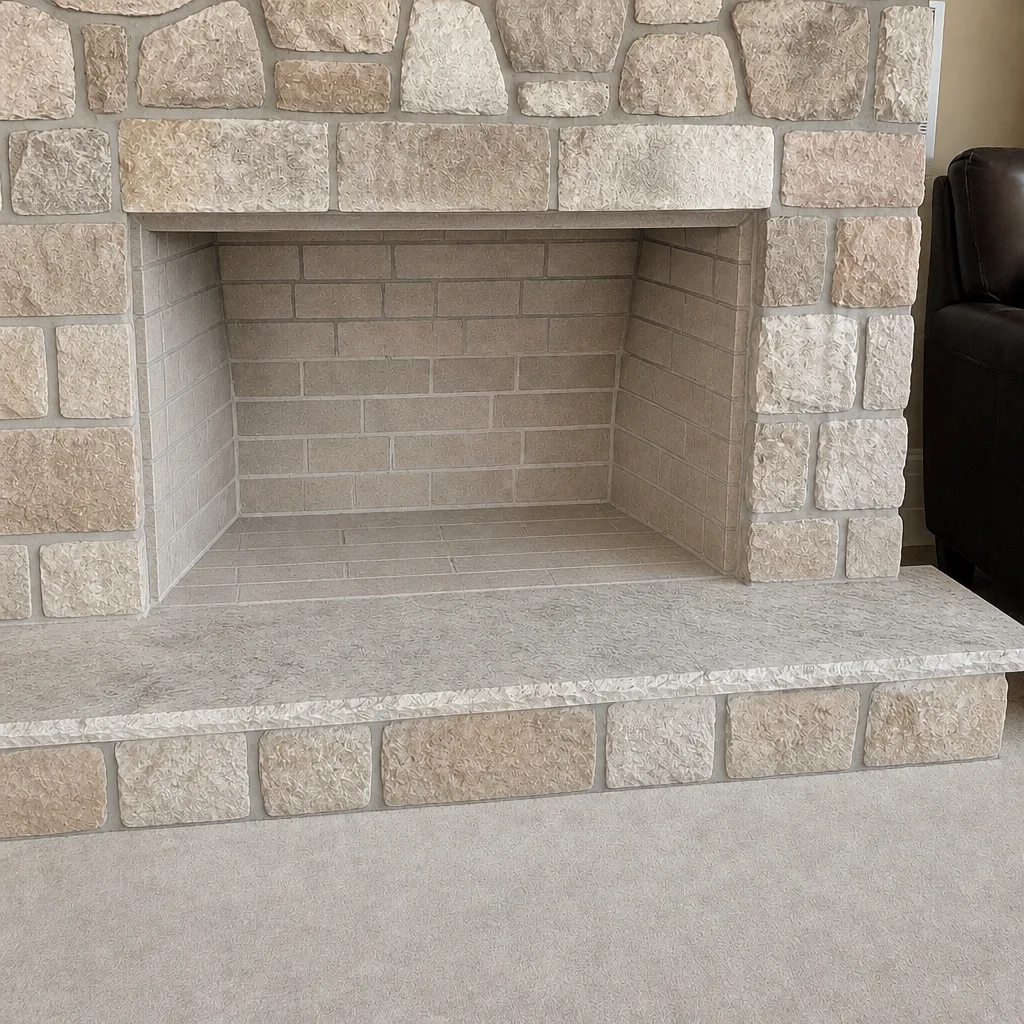 After
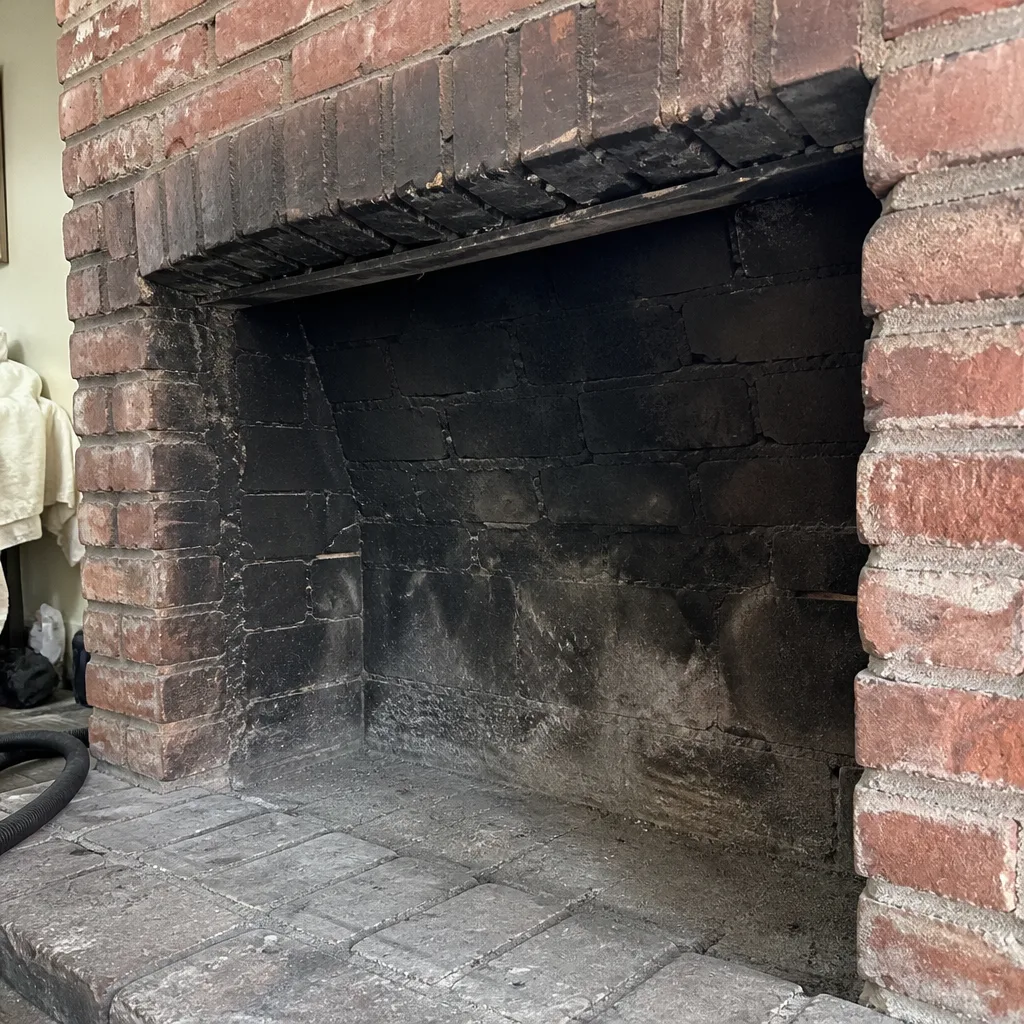 Before
 After
 Before
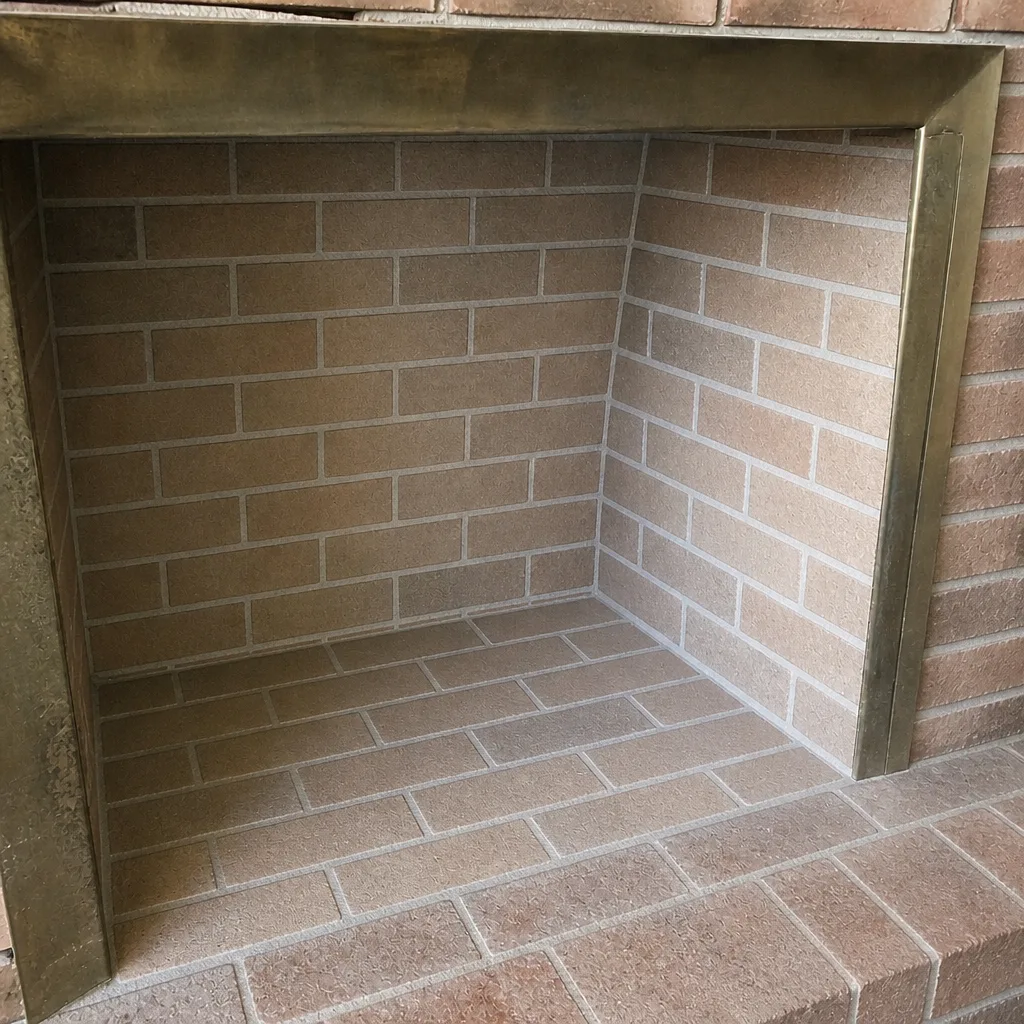 After
When to Call a Professional
Call us if you’ve seen any Tier 1 sign, if a Tier 2 sign has been there longer than a month, or if it’s been more than a year since your last sweep. Call us if you’re not sure which tier a sign falls into. Call us if you’ve had a chimney fire, even one you think went out quietly. Call us if you’re buying a home in South Jordan and want a pre-purchase inspection on the chimney. And call us for routine annual maintenance, because the cheapest chimney problem is the one caught before it started.
Chimney Sweep South Jordan offers free estimates in South Jordan. Call (833) 508-9471. We answer 24/7. Fast dispatch from 7am to 7pm, Sunday through Friday.
Frequently Asked Questions
The earliest reliable sign is a drop in draft performance: fires that used to catch instantly take longer, or a little smoke comes back at startup. You may also notice increased soot on the firebox glass or a stronger smoke smell after the fire dies out. If you haven’t had a sweep in over a year, schedule one regardless of what you see. Call (833) 508-9471 for an exact quote; estimates are free.
Once a year for most wood-burning fireplaces, and more often if you burn frequently or burn unseasoned wood. A chimney sweep should inspect the entire flue every visit, not just brush it. South Jordan’s long burning season, roughly October through March, means we recommend an inspection before the first fire of the season. If it’s been more than a year, call (833) 508-9471.
Glazed creosote looks like shiny black tar or dark glass coating the inside of the flue. It’s a Tier 1 sign: stop using the fireplace and call for a professional sweep. It burns at very high temperatures and a standard brush won’t remove it. A chimney sweep will use a specialized removal method. Call (833) 508-9471 to schedule.
South Jordan’s inversion season reduces the temperature differential your chimney relies on to draft, so a fireplace that works fine in October can smoke back in January. Other causes include a blocked cap, a flue that’s the wrong size for the firebox, or a house that’s too tight and depressurized. A camera inspection tells you which one. Call (833) 508-9471 for a free estimate.
White chalky staining, called efflorescence, means water is moving through the masonry and evaporating on the surface, leaving salts behind. It’s a Tier 2 sign: schedule service within 30 days. The cause is usually a failed cap, a cracked crown, or missing flashing. We install Gelco and Famco caps and crowns to seal the top of the chimney. Call (833) 508-9471.
If the liner has minor cracks, HeatShield resurfacing can extend its life without full replacement. If the liner has failed sections, missing joints, or heavy glazed creosote damage, a DuraFlex flexible liner replacement is the safer option. We don’t recommend a liner replacement without camera evidence you can see for yourself. Call (833) 508-9471 and we’ll walk you through what a repair can and can’t do.
Creosote builds up in layers, and the later stages are harder and more flammable. The first consequence is usually reduced draft. The second is a chimney fire, which can crack the liner and send heat and carbon monoxide into the house framing. Skipping an annual sweep doesn’t cause a fire every time, but it does remove the margin of safety. If you can’t remember the last sweep, call (833) 508-9471 for an inspection.
The Bottom Line
Not every sign on a chimney warning list belongs in the same category. Glazed creosote, cracked liner tiles, and chimney fire sounds are Tier 1 and mean stop. Efflorescence, spalling brick, a stuck damper, and sluggish draft are Tier 2 and mean schedule within a month. Soot, surface rust, ash, and a faint smell after a burn are Tier 3 and belong on your next annual report. In South Jordan, the variable that changes draft performance most is inversion season, and a fireplace that works in October may smoke back in January without a line problem. We inspect with a camera, we show you the photos, and we tell you when a repair is genuinely needed and when it can safely wait.
If you’re not sure which tier your sign belongs to, call us. Chimney Sweep South Jordan offers free estimates in South Jordan. Call (833) 508-9471. We answer 24/7. Fast dispatch from 7am to 7pm, Sunday through Friday.
Written by the team at Chimney Sweep South Jordan.