
Last updated November 24, 2026
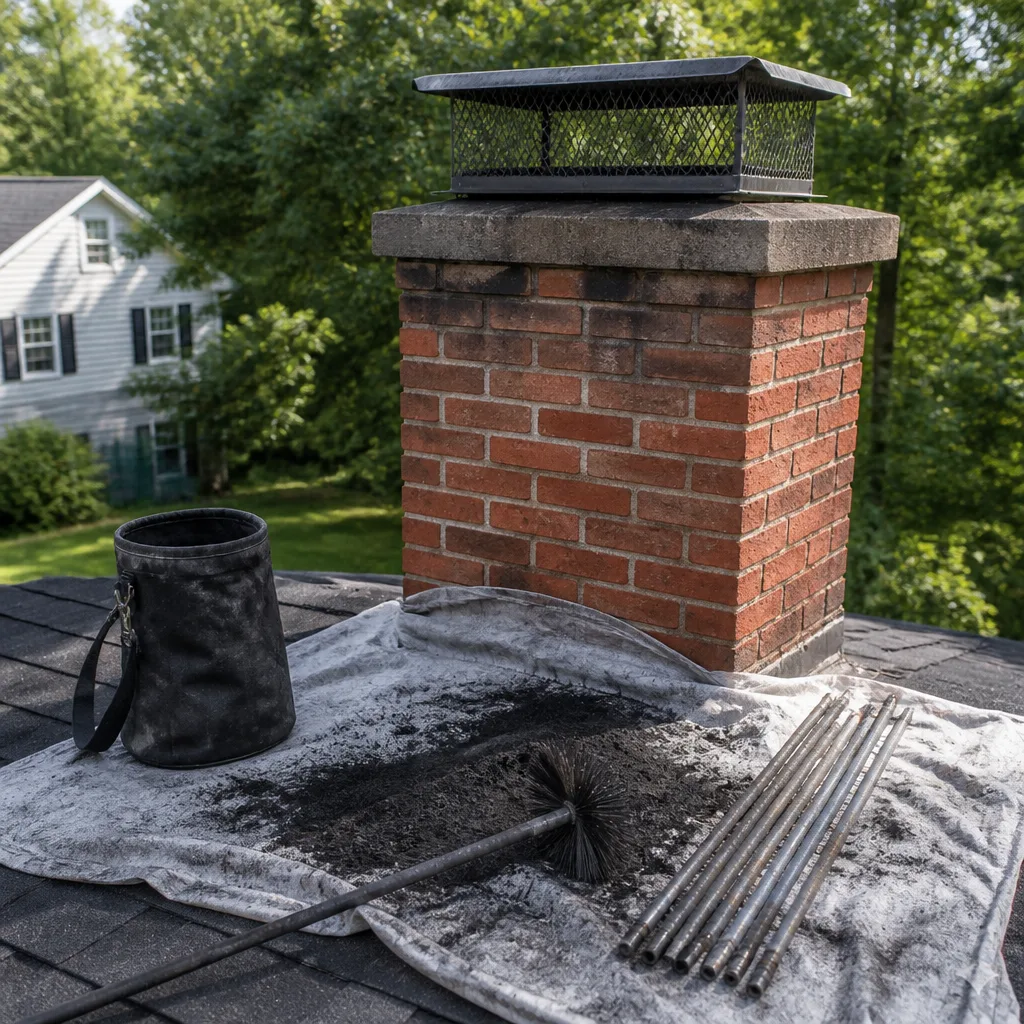 Sweep & inspection
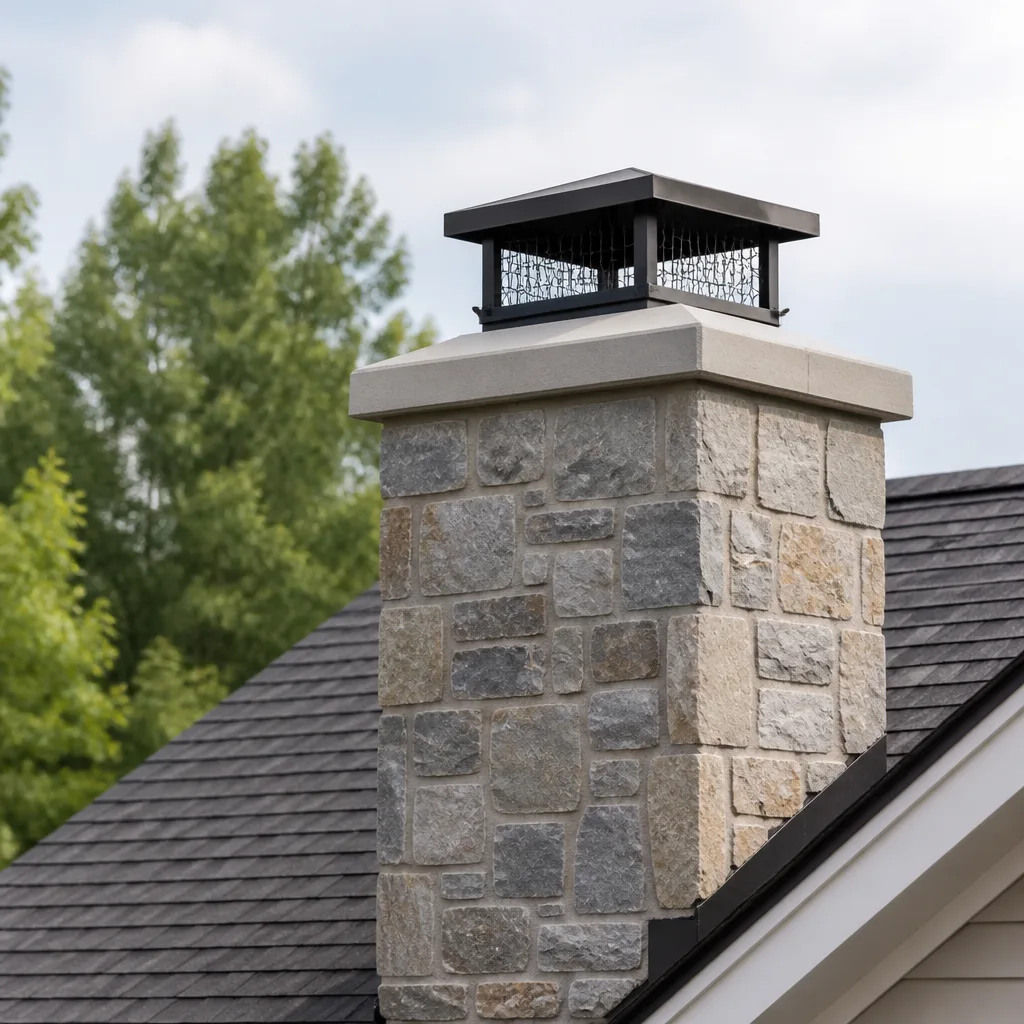 Caps & crowns
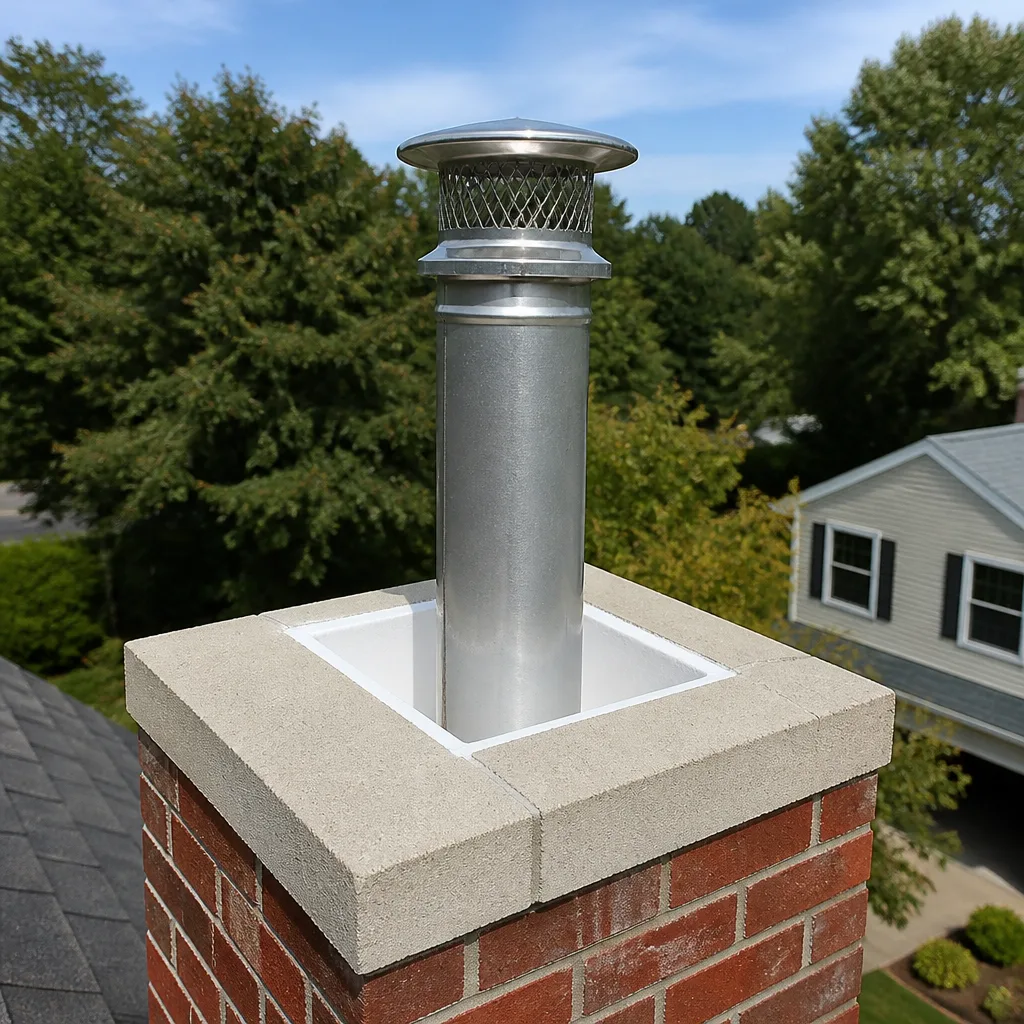 Flue relining
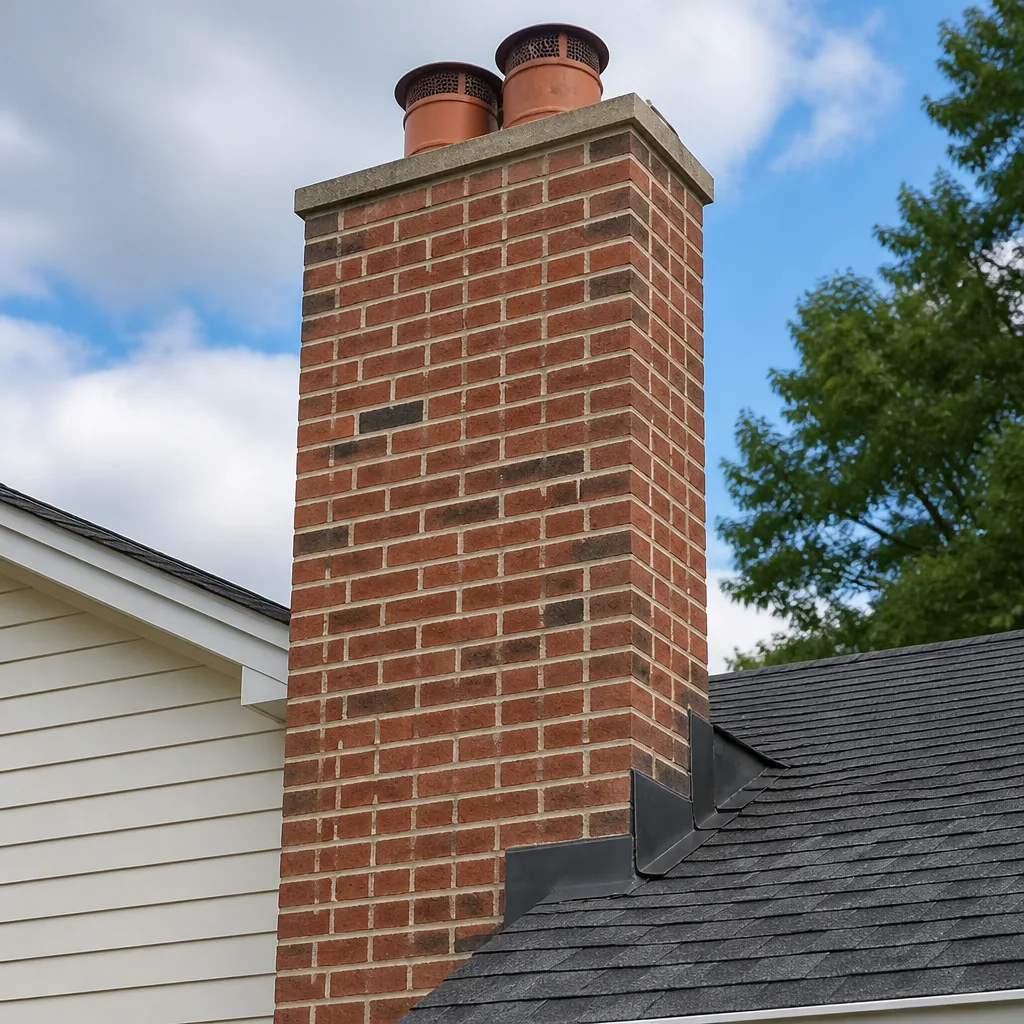 Masonry repair
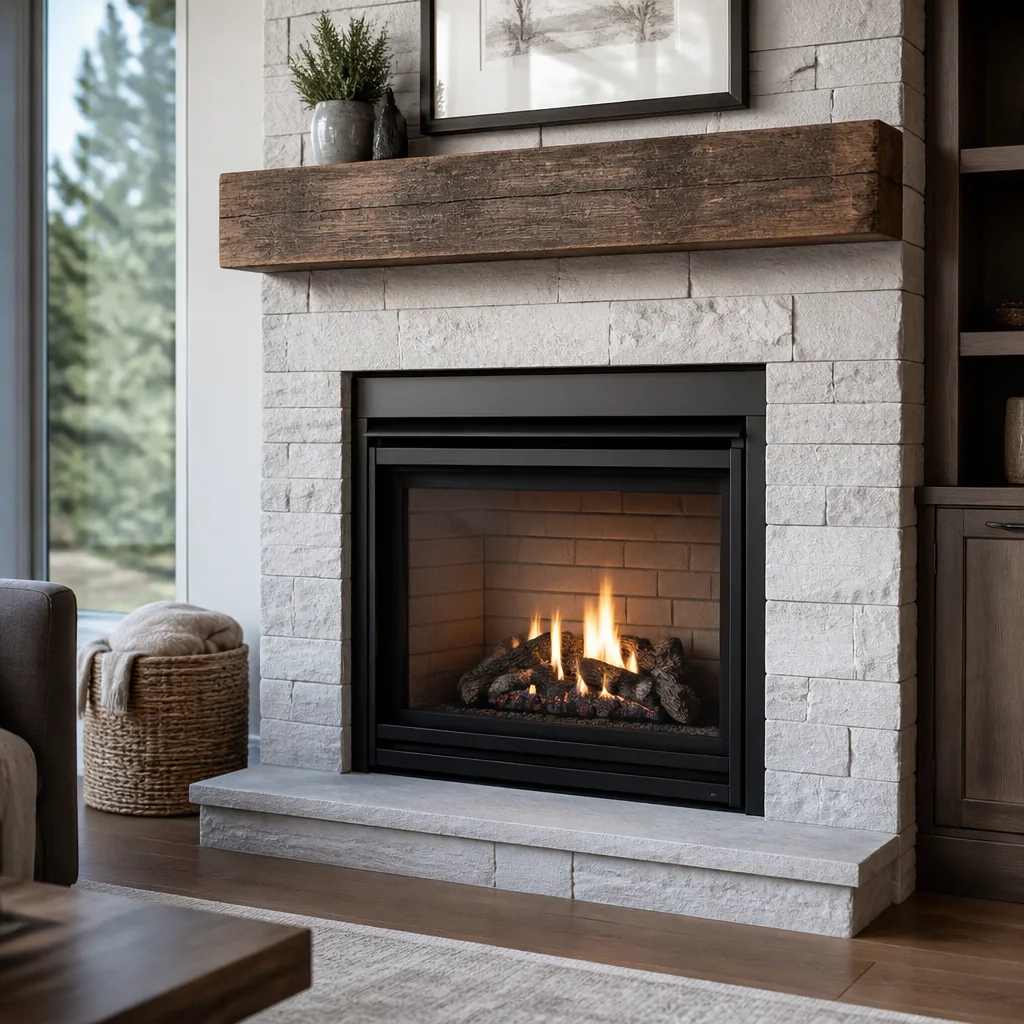 Gas fireplace service
Level 1 sweep and inspection to the NFPA 211 annual standard - flue, crown, cap, and flashing checked and photographed
Chimney sweep logs do not sweep chimneys. They loosen some creosote - which then falls where a brush and vacuum still have to collect it.
Chimney Sweep Maintenance Checklist for South Jordan Homeowners
A white stain on your chimney’s exterior brick isn’t decorative weathering. It’s efflorescence, the visible signature of water moving through your masonry, and catching it early is the difference between a $40 waterproofing application and a $3,000 crown and brick rebuild. Most maintenance checklists hand you a generic list of things to “look for” without explaining what you’re actually seeing or why it matters. This guide ties each checklist item to a specific failure mode, so you can triage intelligently instead of panicking over normal wear or ignoring a real problem. You’ll learn what to check in September, January, and April, what to photograph before a sweep arrives, and which findings need a technician regardless of season.
Quick Answer
A chimney maintenance checklist for South Jordan homeowners covers three seasonal checkpoints: September pre-season checks at the firebox, damper, smoke shelf, and cap; January mid-season monitoring of draft and odor; and April post-season checks for moisture after spring melt. Safe DIY checks stay at the firebox and exterior; anything involving the flue interior, crown condition, or liner damage requires a trained technician. Photograph your findings before each visit so you build a baseline you can compare year to year.
Styles & brands we work with
- Sweep & inspection
- Caps & crowns
- Flue relining
- Masonry repair
- Gas fireplace service
Table of Contents
- Why a Checklist Beats a Once-a-Year Sweep
- September Pre-Season Checklist: What You Can Safely Check From Inside
- What to Photograph Before Your Sweep Arrives
- January Mid-Season Check: Draft, Odor, and Performance
- April Post-Season Checklist: After South Jordan’s Spring Melt
- DIY Watch List vs. Call-a-Technician Findings
- Common Mistakes to Avoid
- When to Call a Professional
Why a Checklist Beats a Once-a-Year Sweep
A professional sweep clears creosote and soot. It doesn’t replace the checks you run between visits, and it can’t tell you what changed three weeks after the sweep left. That’s the gap a checklist fills. South Jordan sits in a high-desert valley where the burn season runs roughly October through March, and the interior air is dry through winter but the spring melt cycle sends meltwater down the exterior of the chimney for weeks. Those two conditions – heavy creosote load in winter, moisture stress in spring – are the two failure modes most local chimneys run into. A checklist built for that cycle catches problems when they’re cheap to fix.
The second reason to keep a checklist is record-keeping. When you photograph the firebox in September, then again in April, you have side-by-side evidence of whether a hairline crack in the firebrick grew. Without that baseline, every inspection starts from zero, and you’re relying on a technician’s memory of a fireplace they’ve seen once. Documents beat impressions.
Third, a checklist tells you when not to worry. Most of what homeowners flag during a walk-through – a bit of soot on the glass door, a mild smoky smell on a cold start, some rust on a damper handle – is normal and has a simple explanation. Knowing which findings are routine keeps you from spending on unnecessary repairs, and keeps you focused on the ones that actually matter.
If you want the deep background on how sweeps work and what they clear, our guide on chimney sweep service walks through the process step by step. This checklist is the homeowner-facing companion to that work.
September Pre-Season Checklist: What You Can Safely Check From Inside
September is the right month in South Jordan for the pre-season walk-through. Nights start dipping toward freezing, the first fires are a few weeks out, and there’s still time to book a sweep or repair before the schedule fills. All the checks below happen from inside your home or from the ground outside. None require you to get on the roof.
- Open the firebox and look at the firebrick. Firebrick should be uniform in color and free of large cracks – hairline checks are common and usually fine, but anything wide enough to catch a fingernail is a repair item. Look at the mortar joints too; crumbling mortar between firebricks signals heat damage.
- Check the damper handle and plate. The damper should open and close without forcing, and the plate should sit flush when closed. A damper that sticks, rattles, or won’t fully seat lets warm house air escape up the flue all winter and lets cold air spill back down.
- Reach up and feel the smoke shelf. The smoke shelf sits behind the damper, at the back of the firebox. Run a hand or a mirror up there to check for soot buildup or debris. A clogged smoke shelf is a common reason a fireplace smokes.
- Inspect the firebox floor for ash depth. An inch of ash insulates the fire and is fine; more than two inches blocks airflow to the grate and makes the fire burn poorly. Clear the excess before the season starts.
- Look at the exterior cap from the ground. A chimney cap is a metal or mesh assembly that sits on top of the flue and keeps rain, snow, and animals out. From ground level with binoculars, check that it’s still attached, square, and not visibly rusted through. A missing or damaged cap is one of the most common causes of water entry in South Jordan.
- Scan the exterior brick for efflorescence and spalling. White, chalky staining (efflorescence) means moisture is wicking through the masonry. Flaking or crumbling brick faces (spalling) mean the freeze-thaw cycle has already started breaking down the brick. Both are visible from the ground.
Anything you find in steps 1 through 4 goes on the note you hand to the sweep. Anything in steps 5 or 6 goes on the chimney repair conversation, because cap and crown issues fall outside the sweep itself.
What to Photograph Before Your Sweep Arrives
The single most useful habit in chimney maintenance is a photo baseline. Before anyone sweeps or repairs, take dated photos of five locations in your system. Two phone snapshots taken a year apart tell you more than a memory ever will, and they give the technician a real comparison point.
- The firebox interior, wide angle, with the damper open. Capture all three firebox walls and the floor.
- A close-up of the firebrick and mortar joints, focused on any crack you already know about. Get one photo that shows crack length and location in context.
- The damper plate and handle, both open and closed positions.
- The smoke shelf, using your phone’s flash and a mirror if you can’t see it directly.
- The exterior chimney from the ground, from at least two angles, capturing the cap, crown, and the top third of the brickwork.
Store the photos in a single folder labeled with the month and year. When your technician arrives, pull them up on the phone and show them – that’s your baseline. After the visit, photograph the same five spots again. The next spring, you’ll have a documented record of how the fireplace behaves year to year, and any change that shows up in a photo is worth mentioning before it becomes a repair.
We do this ourselves during every inspection and hand the homeowner a copy. If you want an inspection as a standalone service – not attached to a sweep – we perform those too. A chimney inspection isn’t a sales pitch; it’s a safety baseline.
January Mid-Season Check: Draft, Odor, and Performance
By January, South Jordan’s fireplaces are being used most nights. This is when performance problems show up that don’t appear in a September walk-through – because in September, the fireplace hasn’t been through a full month of daily burns. The mid-season check is about how the system behaves, not what it looks like.
Three functional signals to track:
- Draft strength. Light a small fire and watch the smoke. It should pull cleanly up the flue within seconds. Weak draft, a smoky smell that lingers, or smoke that rolls out into the room at cold start all point to a draft problem – dirty flue, blocked cap, or a house that’s too tight for the fireplace to draw.
- Odor. A slight creosote smell when the fire isn’t burning is normal for the first cold snap. Persistent creosote or campfire odor after the fire is out, especially when the furnace is running, suggests the flue isn’t drafting properly or backdraft is pushing air down.
- Burn quality. A fire that used to burn hot and clean and now smolders, smokes, or struggles to stay lit usually has a partially blocked flue or a progressively clogged cap screen. Both are worth a call.
Creosote load in South Jordan builds steadily through January because temperatures push homeowners toward longer, cooler, more smoldering fires – which is exactly the burn pattern that produces the most creosote. If you burn wood most nights, a mid-winter check on draft and odor is more useful than waiting for spring. We work with Olympia Chimney caps and Gelco venting for weatherproofing and airflow, and a blocked or undersized cap is worth inspecting directly.
April Post-Season Checklist: After South Jordan’s Spring Melt
Closing the damper in April isn’t enough. South Jordan’s spring melt cycle pushes meltwater off the roof, down the chimney’s exterior, and against the crown – the concrete cap on top of the masonry. That’s when moisture damage becomes visible, and it’s when the difference between a small waterproofing job and a full crown rebuild gets decided.
Here’s what to check in April, from the ground:
- The crown. The crown is the sloped concrete or mortar cap on top of the brickwork. Look for cracks, crumbled edges, or separation between the crown and the flue. A cracked crown lets water into the masonry below, and that water causes exactly the efflorescence and spalling you’d see in September.
- The brick and mortar below the crown. Spring is when new white staining or spalling shows up first. Note any area that’s chalkier or more flaky than the rest of the chimney.
- The cap and mesh screen. Winter wind and snow load are hard on cap screens. Check that the mesh is intact – torn mesh lets birds and squirrels in, and nesting material is a fire hazard.
- The damper, closed. Confirm the damper seats all the way, and check for rust on the plate or handle. Spring humidity plus winter condensation is when rust shows.
- The firebox interior for moisture staining. Dark staining or rust-colored streaking on the firebrick that wasn’t there in September means water is coming down the flue.
Our preferred crown and cap materials handle this climate better than standard mortar: we work with Copperfield and Gelco products built for the temperature swing. If any of the above shows up in force, that’s a chimney repair issue, not a sweep.
DIY Watch List vs. Call-a-Technician Findings
Not every finding needs a technician. Some are true watch items you revisit in 30 days; others are prompt-call findings regardless of season. Here’s the split.
Put these on the DIY watch list
- Hairline cracks in firebrick that don’t grow between checks
- Ash depth under one inch (add a little ash insulation, no action needed)
- Minor soot shadows on the firebox walls
- Slight creosote smell on the first cold fire of the season
- Small areas of fading paint or light discoloration on the mortar between bricks
Call a technician when you find these
- White efflorescence or crumbled brick on the chimney exterior
- A visible crack or separation in the chimney crown
- A missing, disconnected, or torn chimney cap or cap screen
- Firebrick cracks wide enough to catch a fingernail, or crumbling mortar in the firebox
- Smoke rolling into the room at cold start, or persistent creosote smell after the fire is out
- A damper that won’t fully seat or opens with force
- Rust streaks or water staining on the firebox walls
Water-related findings (efflorescence, spalling, crown cracks, rust in the firebox) belong on the call list because the damage compounds with every melt cycle. Performance findings (draft, odor, damper) are worth a call because they often point to a flue issue. Both categories fall to chimney repair, and both are cheaper to fix in April than in August.
Common Mistakes to Avoid
- Treating the annual sweep as the whole checklist. The sweep clears the flue; it doesn’t tell you what changed in the firebox between visits. Run your own seasonal checks so the sweep starts from a documented baseline. Skipping this leaves problems to compound between visits.
- Getting on the roof to “inspect the cap yourself.” South Jordan chimneys sit at steep roof pitches with thin tile, and wind gusts at the ridge can be strong. Wet roofs, unsteady footing, and a long fall make this one of the highest-risk homeowner tasks in the house. Inspect from the ground with binoculars and let a trained technician handle the roof.
- Burning unseasoned wood because it’s cheap. Green wood and softwoods (pallets, construction scraps) produce far more creosote per hour than seasoned hardwood. Buy dry, split, stacked hardwoods instead, and check the wood’s moisture with a $20 meter before you burn it.
- Ignoring efflorescence because it “comes off with a scrub brush.” Efflorescence is cosmetic to scrub, but the moisture that caused it is not. Scrubbing the stain without finding the leak just lets the water keep working through the masonry.
- Closing the damper the day you stop burning and forgetting it until September. Spring is exactly when you need to look, not when you need to shut it and move on. April is the right month to spot the moisture damage that the melt cycle causes.
- Assuming creosote smell between fires is normal. A faint smell on the first cold snap is normal. Persistent creosote odor when the fire is cold and the furnace is running is a sign the flue needs attention, and worth a call.
- Letting a cracked firebrick “grow on you.” Firebrick cracks that widen are a sign of thermal stress, and every season they widen is a more expensive fix. Photograph the crack in September and again in April; if the crack grew, book the repair.
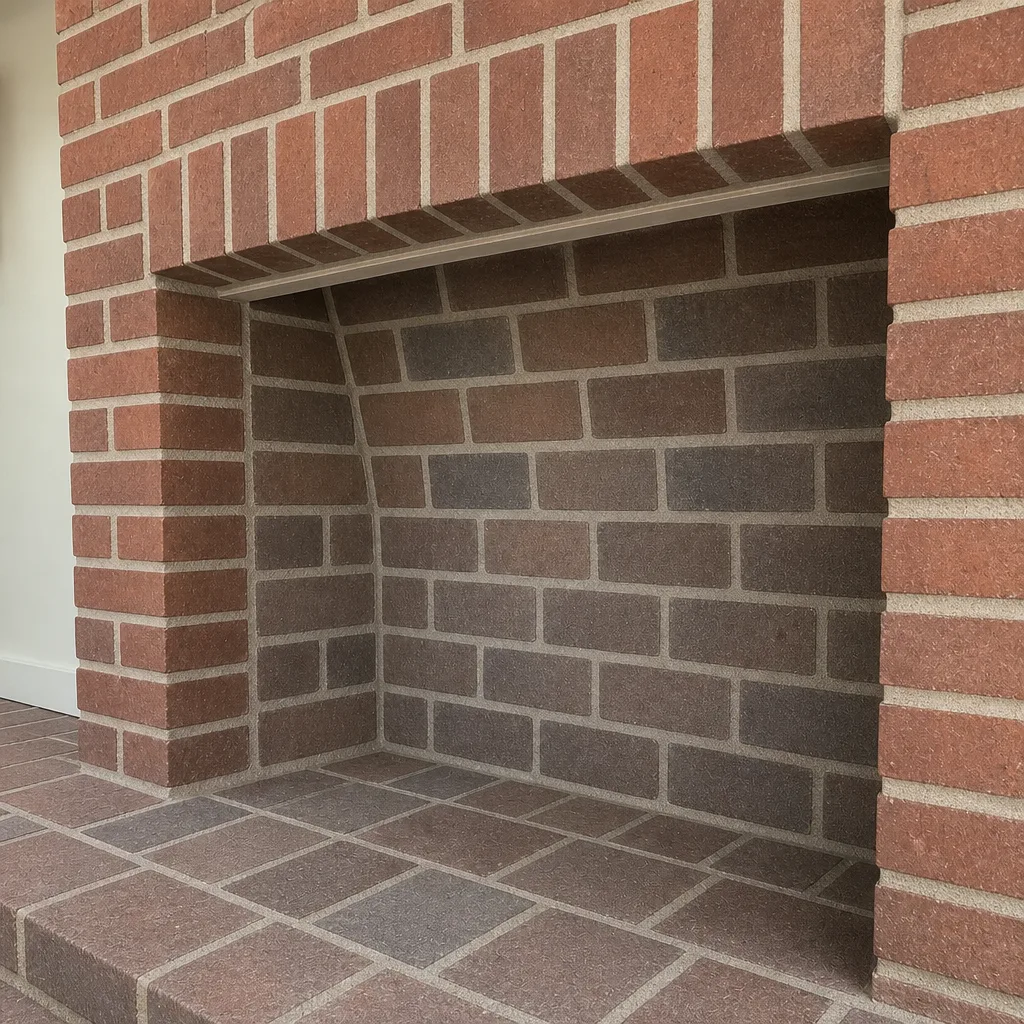
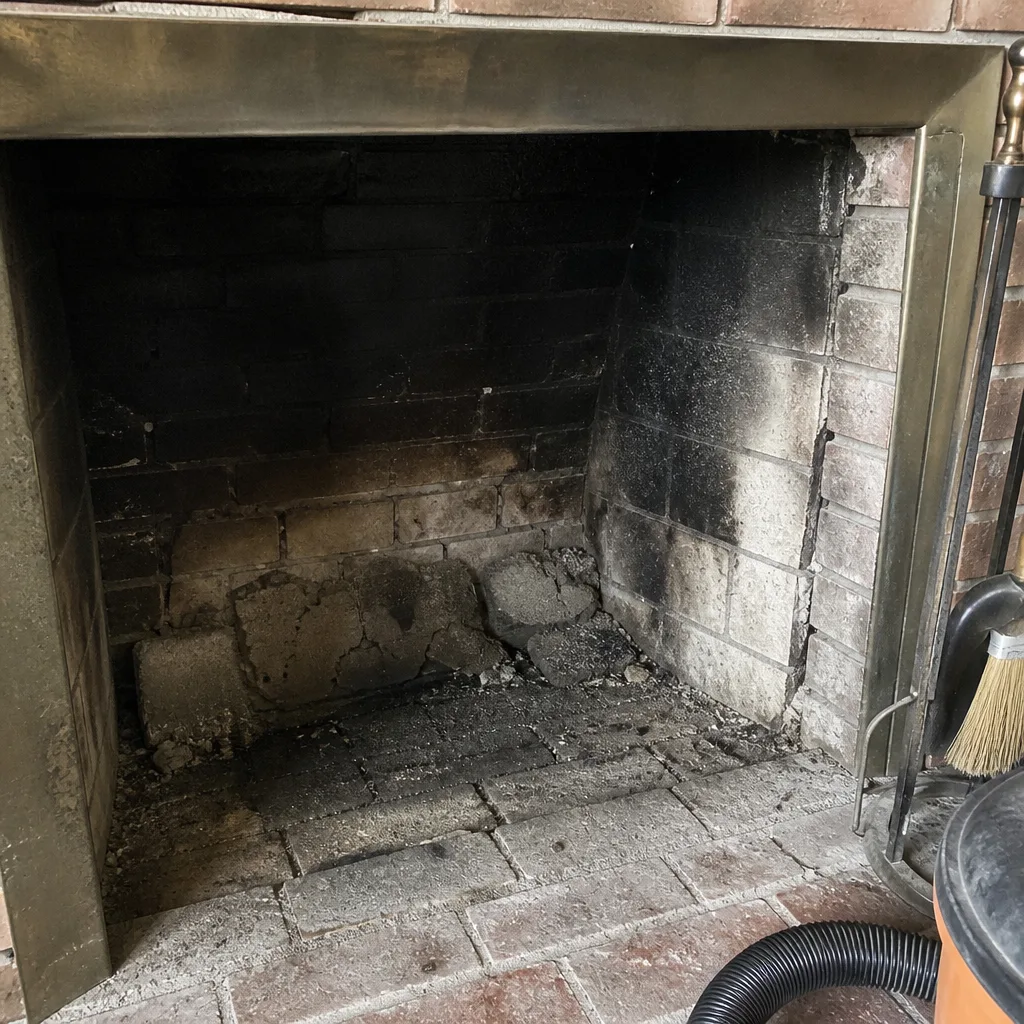
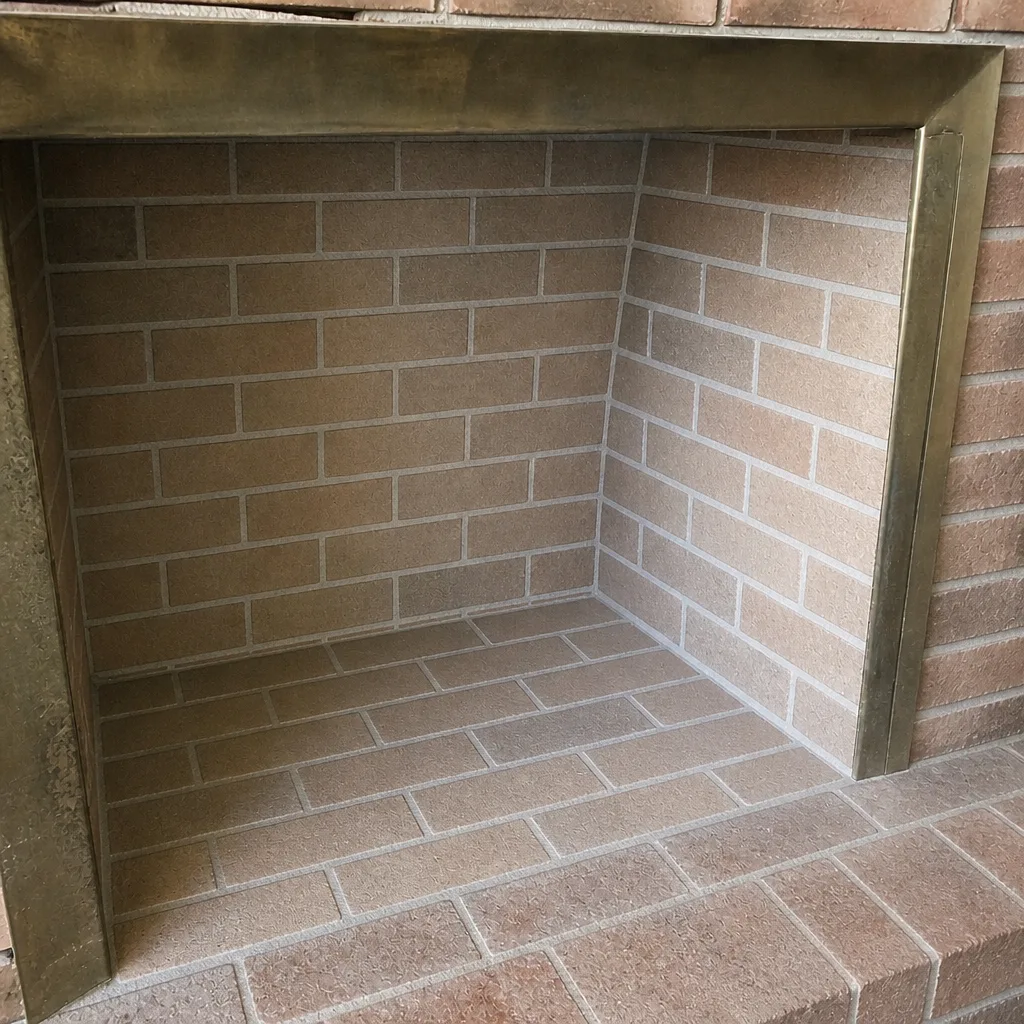
See the difference
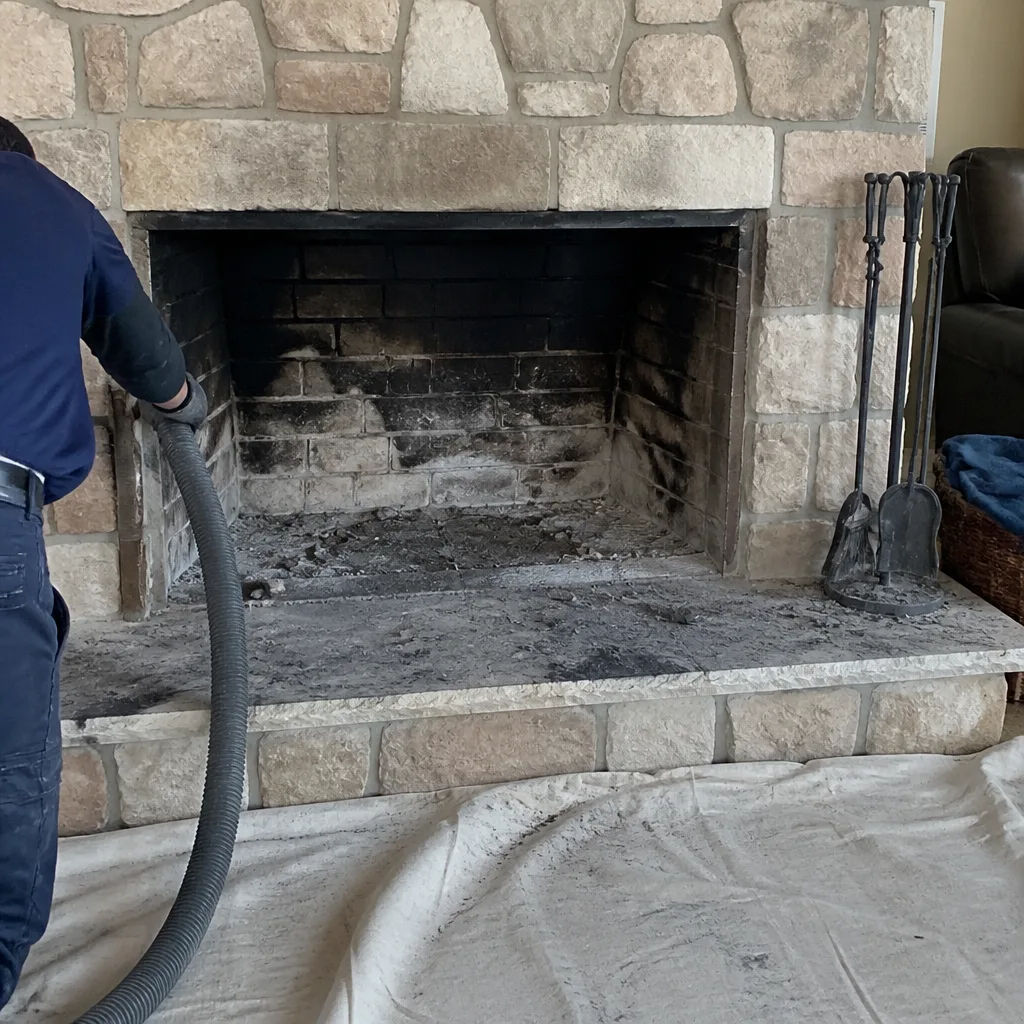 Before
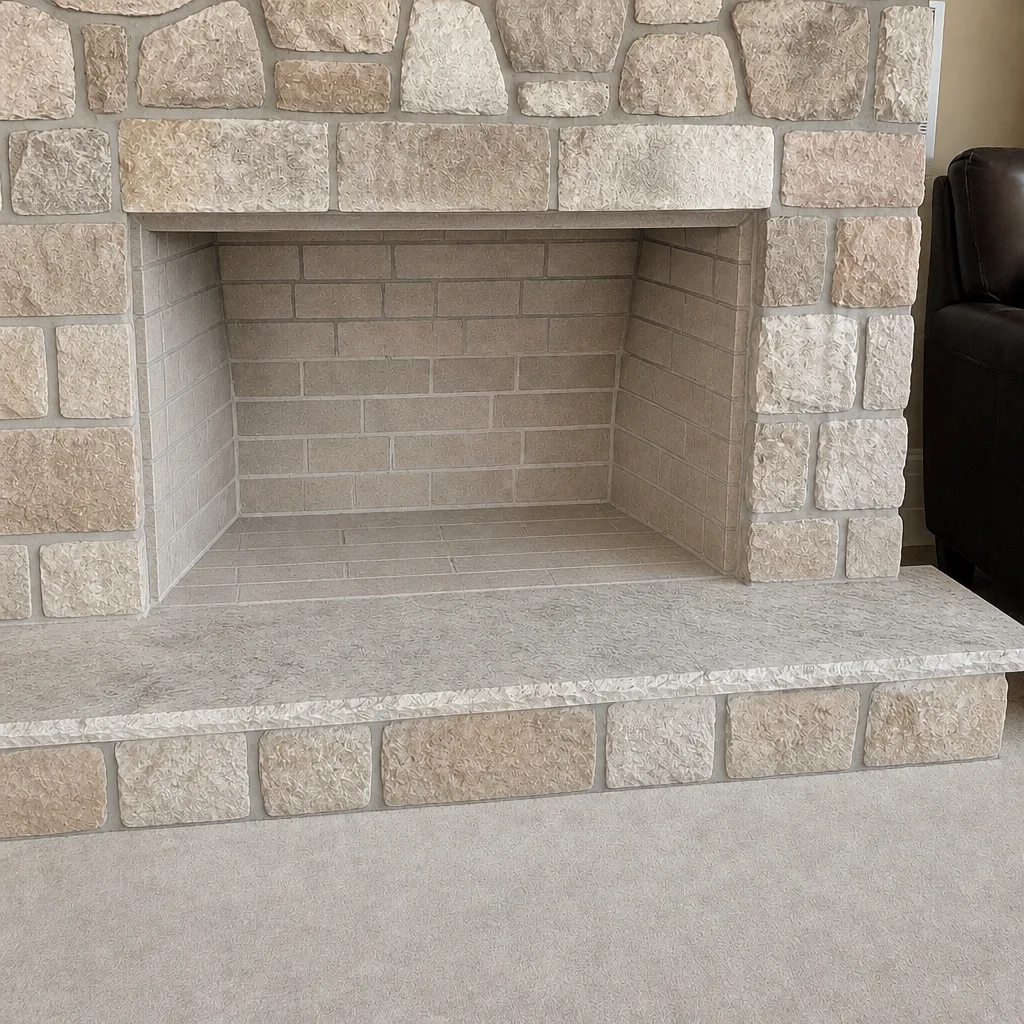 After
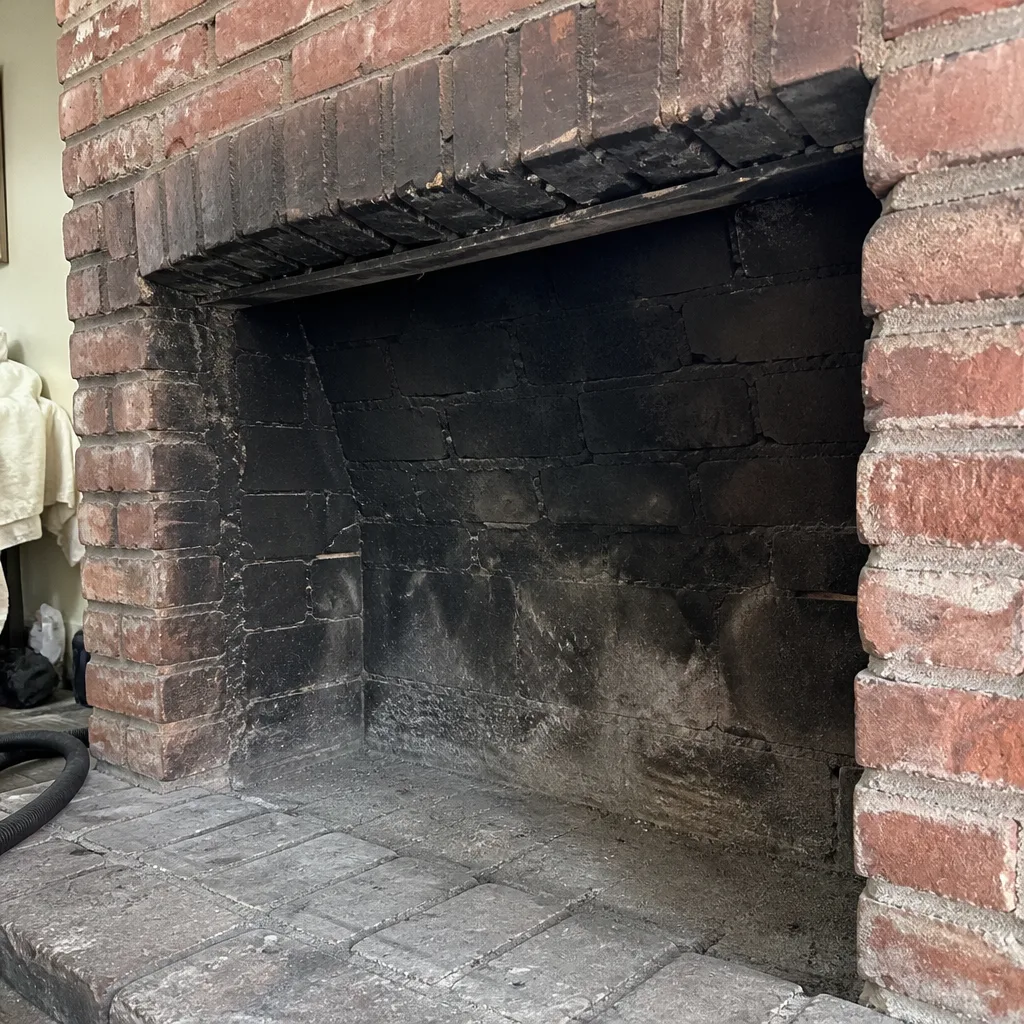 Before
 After
 Before
 After
When to Call a Professional
Some findings go straight to a technician, no matter the season. Call us if you spot a cracked crown, a missing or damaged cap, white staining or crumbling brick on the exterior, a firebrick crack that has widened since your last photo, smoke that rolls out at cold start, or a persistent creosote smell after the fire is out. Call us before you burn again if the damper won’t seat or the firebox shows rust-colored or dark water staining – that pattern suggests water is entering the flue. The reason is simple: these are all signs of structural or liner damage where a professional inspection is the only way to know the severity. We use HeatShield for flue resurfacing when a liner is cracked but salvageable, and DuraFlex flexible liner systems when a full relining is needed, so the fix matches the actual condition rather than defaulting to replacement.
Chimney Sweep South Jordan offers free estimates in South Jordan – call (833) 508-9471. We answer 24/7. Fast dispatch from 7am to 7pm, Sunday through Friday.
Frequently Asked Questions
Once a year for most households, timed to your burn volume. If you use the fireplace several nights a week through a South Jordan winter, an annual pre-season sweep in September or October is the standard interval – the sweep clears creosote that builds through the burn season and gives you a clean baseline for the new year. Homes that burn only on occasional weekends can stretch to eighteen months between sweeps, but should still run the seasonal checks above. If you’re not sure which bucket you’re in, a call to (833) 508-9471 – estimates are free – settles it.
A sweep removes soot and creosote from the flue; an inspection evaluates the structure and condition of the chimney. Both matter, and both are standalone services here rather than one bundled into the other. At Chimney Sweep South Jordan, the inspection covers the firebox, damper, smoke shelf, flue, cap, and crown, and comes with a photo report you can see for yourself. Sweeps and inspections are separate visits because the work is different, and combining them when your chimney needs both typically saves a trip.
Efflorescence is the white, chalky staining that appears on masonry when water moves through brick and evaporates at the surface, leaving salt deposits behind. It’s not an emergency the way a cracked flue is – but it’s a clear signal that water is getting into the masonry, and the underlying leak won’t fix itself. Treat it as a call-item: get the source found and sealed before the next freeze-thaw cycle. Call (833) 508-9471 and we’ll take a look.
Only after a technician checks it if you didn’t have a pre-season inspection. If you skipped the September sweep, don’t assume the flue is clear just because last winter went fine – creosote builds, caps clog, and animals nest in dormant flues over the summer. A quick inspection before you burn is cheap insurance against a flue fire. Call (833) 508-9471 and we’ll book an inspection before your first burn.
Yes. A chimney cap keeps rain, snow, and animals out of the flue, and it prevents downdrafts. South Jordan’s winter storms and spring melt both drive water down uncapped flues, and water in the flue is the beginning of masonry and liner damage. We supply and fit Gelco and Famco cap and ventilation products for weatherproofing and animal exclusion – call (833) 508-9471 for a free estimate on a cap or replacement.
Nothing dramatic in the short term, but two failure modes accumulate quietly. Creosote layer builds year after year – a heavy layer near the flue top is the fire-hazard condition, not a cosmetic issue. And water finds its way through cracks in the crown and mortar, freezing inside the brick each winter. Together those mean the eventual repair costs more than the checks would have. If you’re already a few years behind, call (833) 508-9471 and we’ll start from where your chimney actually is.
The Bottom Line
The chimney maintenance checklist works because it maps each finding to a specific failure mode. September checks catch firebox and cap issues while there’s time to fix them before the burn season. January monitoring catches draft and odor problems that appear only after heavy use. April checks catch the water damage that South Jordan’s spring melt cycle exposes. Photograph the five baseline spots every season, split findings into watch-list and call-list, and skip the roof. When something lands on the call-list, one team handles the sweep, the inspection, the fireplace work, and the cap and crown – from a routine chimney sweep to a fireplace repair to a full reline with DuraFlex or HeatShield. For a Chimney Sweep South Jordan service, call (833) 508-9471 for a free estimate. Our technicians have up to 10 years of experience.
Written by the team at Chimney Sweep South Jordan.