
Last updated November 24, 2026
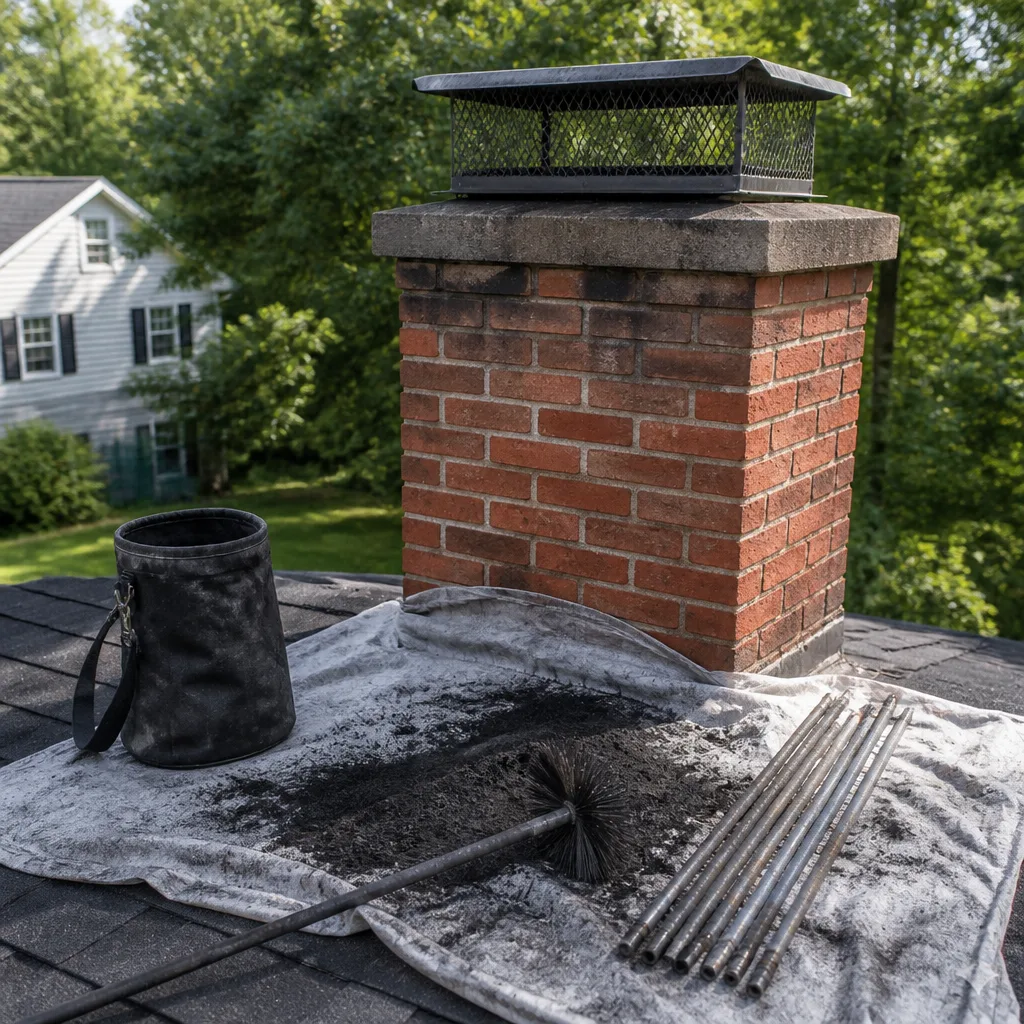 Sweep & inspection
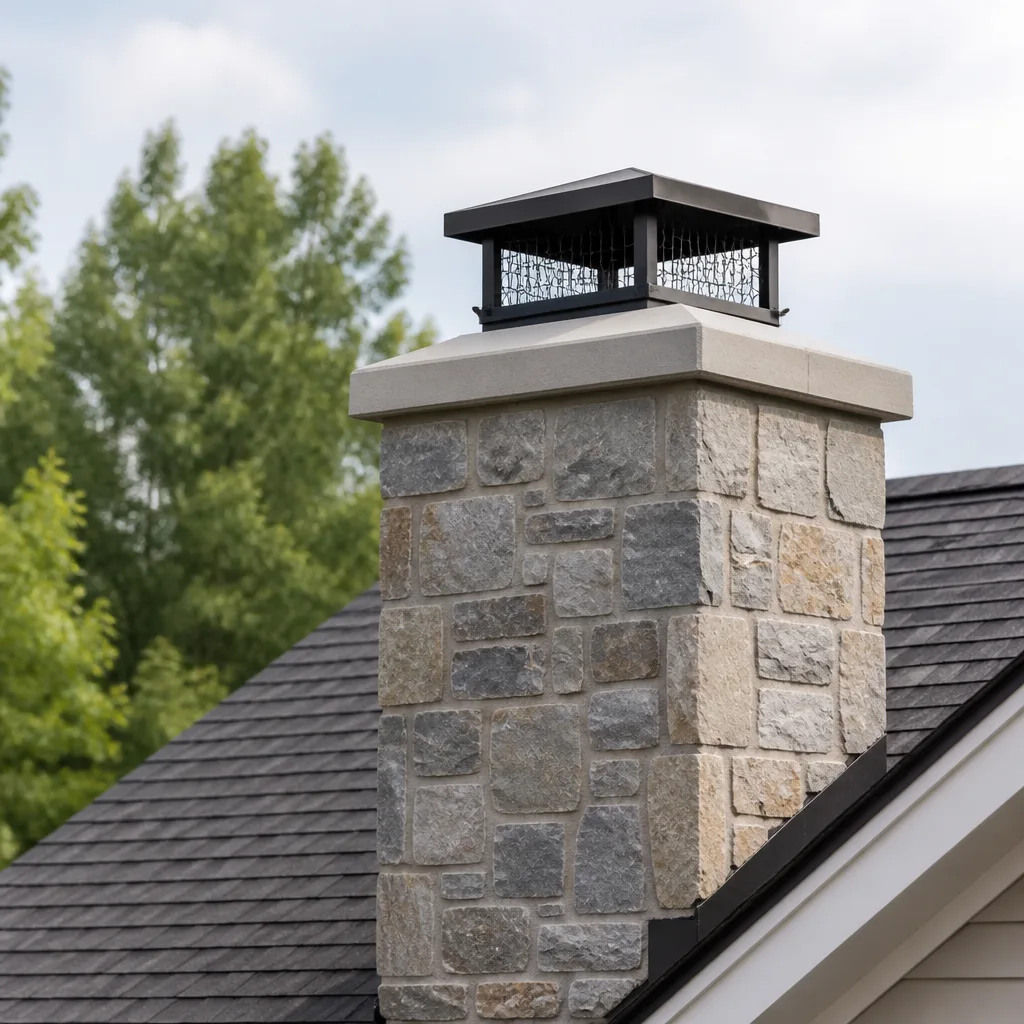 Caps & crowns
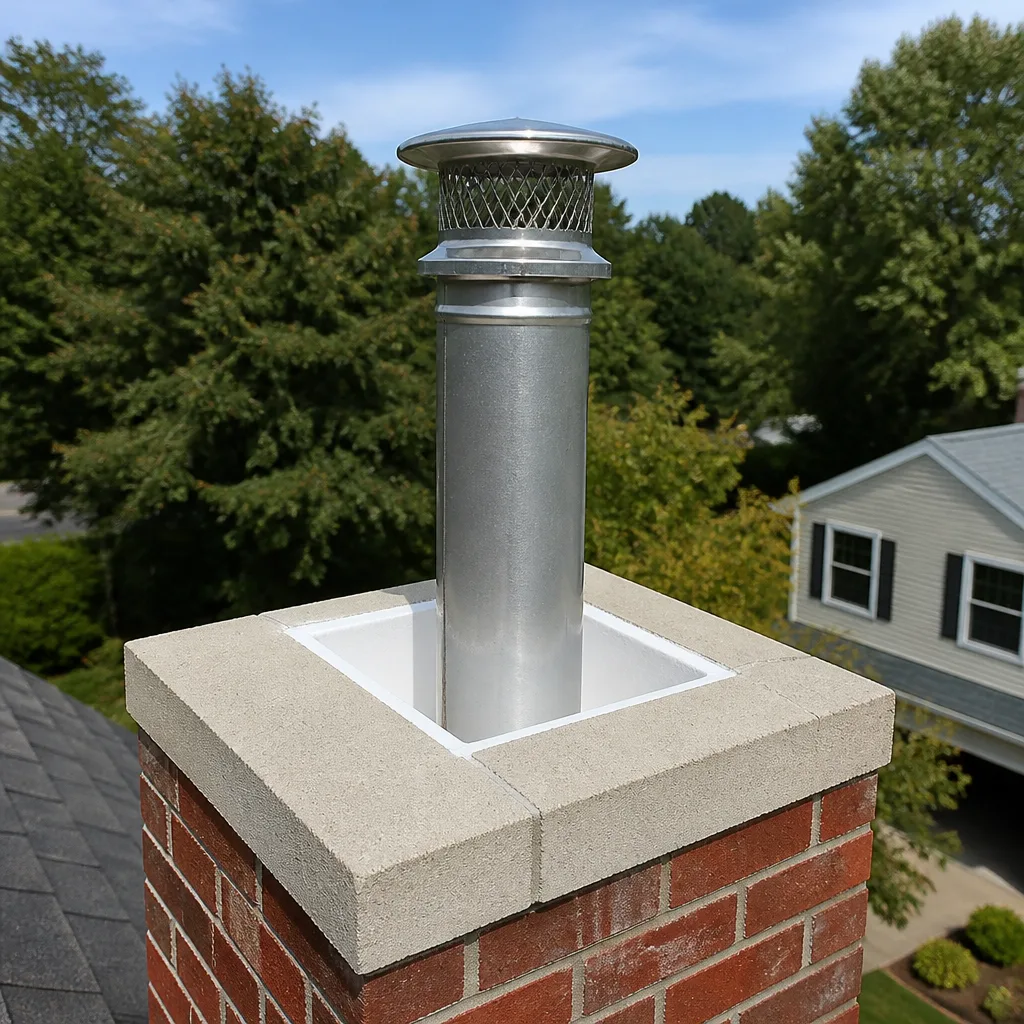 Flue relining
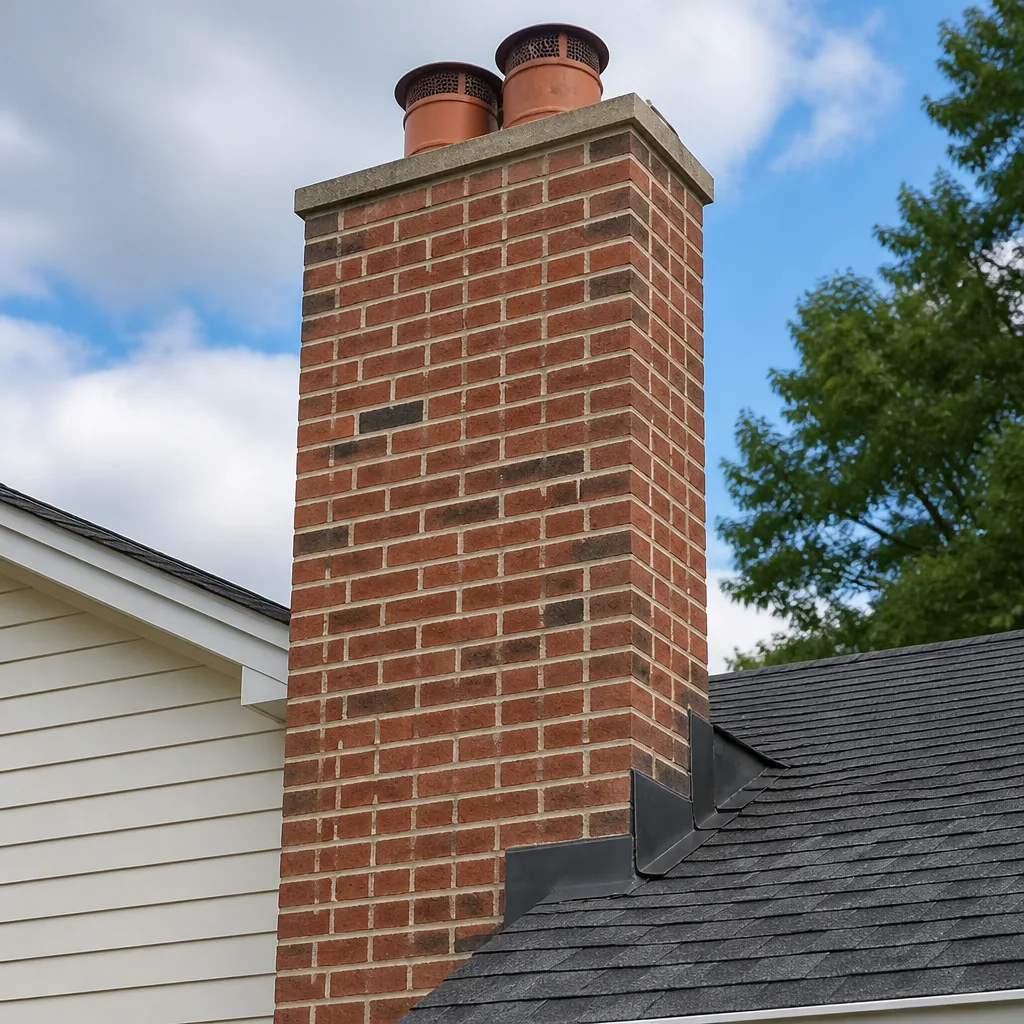 Masonry repair
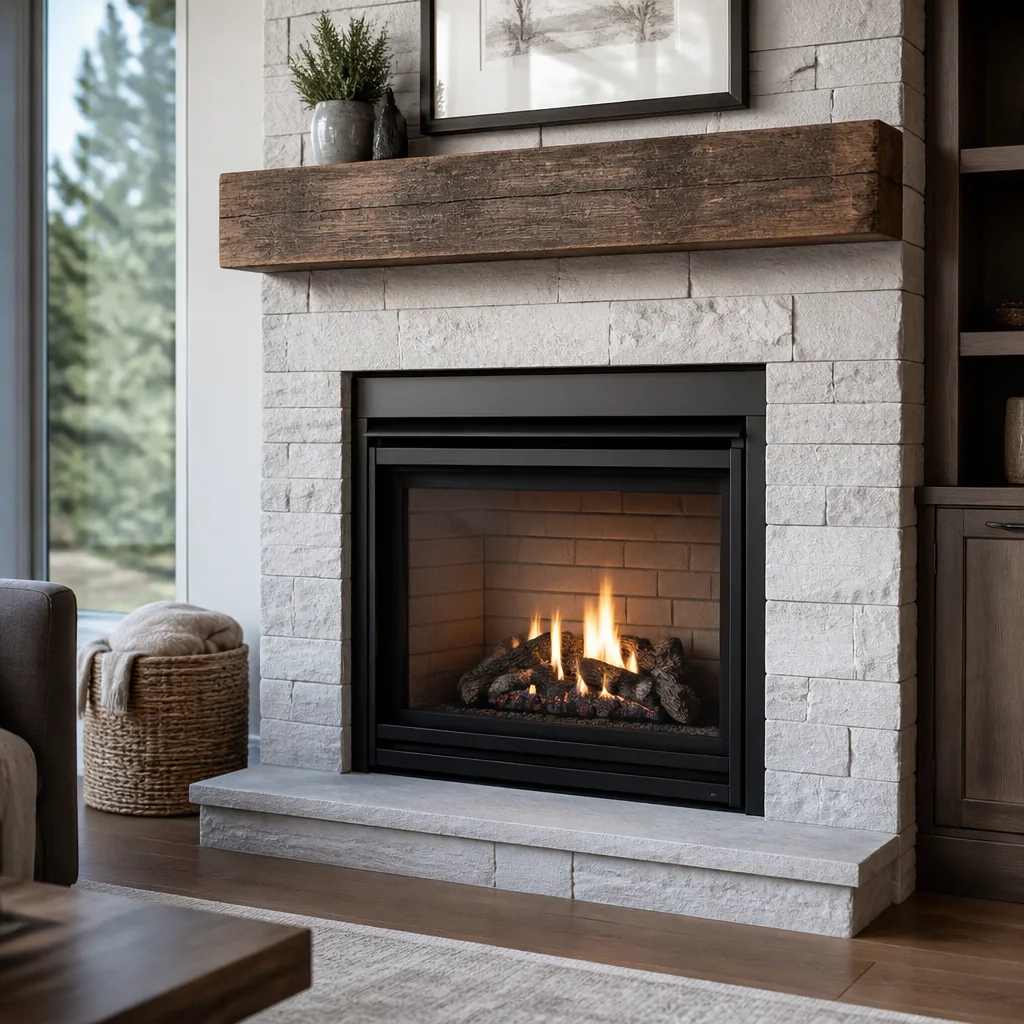 Gas fireplace service
Level 1 sweep and inspection to the NFPA 211 annual standard - flue, crown, cap, and flashing checked and photographed
Chimney sweep logs do not sweep chimneys. They loosen some creosote - which then falls where a brush and vacuum still have to collect it.
The Complete Guide to Chimney Cleaning in South Jordan
Most chimney advice you’ll read online assumes a house at sea level, in mild weather, burning dry hardwood in a fireplace that gets used a few weekends a year. South Jordan is none of those things. At roughly 4,400 feet elevation, the thinner air changes how your chimney drafts, and the valley’s winter temperature inversions change how fast creosote builds up between cleanings. A sweeping schedule that works fine somewhere else can leave you under-protected here.
This guide maps chimney cleaning in South Jordan to the conditions your chimney actually lives in: the burn season, the altitude, the housing stock, and the way Wood Hollow, Daybreak, and the older neighborhoods around the temple each present their own quirks. You’ll learn what a real cleaning appointment involves, how to tell a Level 1 inspection from a Level 2, and how to read the written report so you know what’s urgent and what can safely wait until next fall.
Quick Answer
Chimney cleaning in South Jordan typically means a CSIA Level 1 inspection plus a full mechanical sweep of the firebox, smoke chamber, flue, and cap, and it should be done once a year for a household burning a cord or more of wood per season. Because of the elevation and the long inversion season along the Wasatch Front, many South Jordan homes accumulate glazed stage-2 creosote faster than the national averages suggest, so annual service is the floor, not the ceiling. Anything the sweep turns up, from a cracked crown to a damaged flue liner, can be quoted and often repaired by the same specialist.
Styles & brands we work with
- Sweep & inspection
- Caps & crowns
- Flue relining
- Masonry repair
- Gas fireplace service
Table of Contents
- Why South Jordan Chimneys Are Different
- How Often Should You Clean a Chimney in South Jordan?
- Level 1, 2, and 3 Inspections: Which One Do You Need?
- What Actually Happens During a Chimney Cleaning
- Creosote, Inversions, and High-Altitude Combustion
- How to Read Your Technician’s Written Report
- What Does Chimney Cleaning Cost in South Jordan?
- Common Mistakes to Avoid
- When to Call a Professional
- Frequently Asked Questions
Why South Jordan Chimneys Are Different
South Jordan sits around 4,400 feet above sea level, tucked against the Oquirrh foothills on the south end of the Salt Lake Valley. That elevation and geography create three conditions that most national chimney guides never mention. First, thinner air means less oxygen per cubic foot reaching the firebox, which pushes many fireplaces and wood stoves toward incomplete combustion. Second, the valley’s winter temperature inversions trap cold, dense air under a warmer layer, and that cap acts like a lid on smoke and combustion gases, slowing the pressure differential your flue relies on to pull exhaust upward. Third, the burn season here is long and hard-used: many South Jordan households run their fireplace or stove from October into March, and a household burning a cord or more of wood builds real creosote load in that window.
Add the housing mix and the local pattern gets even more specific. Daybreak’s newer, tightly built homes often come with high-efficiency wood stoves and engineered flues that draft differently from a traditional masonry fireplace in an older South Jordan home near the temple. Stoves run at lower flue-gas temperatures by design, which is efficient but means cooler exhaust, and cooler exhaust is exactly the condition that condenses creosote onto the flue walls. Masonry chimneys in the older neighborhoods, meanwhile, contend with freeze-thaw movement in the crown and mortar joints over decades of winters.
None of that means South Jordan chimneys are doomed. It means the generic “clean it when it’s a quarter-inch thick” advice you’ll find on most sites is a starting point, not the rule. Our technicians have up to 10 years of experience across the valley’s housing stock, and we tune the recommendation to what we actually find in your flue, not to a national average. The Chimney Sweep South Jordan home page lays out the full service menu if you want the short version before reading on.
How Often Should You Clean a Chimney in South Jordan?
Once a year is the baseline for a South Jordan home that burns regularly, and more often if you burn a cord or more per season, use a high-efficiency wood stove, or notice creosote buildup during a routine inspection. The national rule of thumb is to clean when the creosote reaches about 1/8 inch on the flue walls, but between the altitude-driven incomplete combustion and the inversion season that slows draft, South Jordan flues often reach that threshold well before a full calendar year of use. A wood stove that’s run steadily through the winter can build measurable creosote in a single season.
Here’s how we think about frequency for a typical South Jordan household:
- Occasional use (a few fires a month): annual sweep and Level 1 inspection. Treat the fall tune-up as the check.
- Regular use (several fires a week through the season): annual sweep, and a mid-season visual check of the flue if you’re burning a lot.
- Heavy use (a cord or more, or a stove as primary heat): once a year at minimum, and we’ll often recommend a follow-up sweep if the first year’s creosote load is heavy.
- Any home with a wood stove: annual sweep, plus a Level 2 inspection every few years or after any change to the appliance or flue.
The pattern to watch for is glazed, shiny, tar-like creosote, which is stage 2 and forms faster in cooler-running stoves and flues that lose draft during inversions. Stage 2 creosote doesn’t brush off the way soot does; it has to be removed by mechanical means. If an inspector tells you the flue is coated in it and you can see the glaze on camera, that’s the point where a cleaning and often a flue assessment go together. If your fireplace has cracks in the firebox brick or a damaged damper, that’s a separate repair that a specialist handles alongside the sweep; fireplace repair covers that work in more detail.
Level 1, 2, and 3 Inspections: Which One Do You Need?
A routine South Jordan cleaning calls for a CSIA Level 1 inspection. A Level 2 is what you want after a home purchase, after a chimney fire, after a flue or appliance change, or when there’s visible damage; a Level 3 is reserved for concealed areas that need opening up, usually after a major event. The CSIA tiers are the industry standard and they exist so everyone knows what was actually checked, so it’s worth learning the difference before you book.
- Level 1: Readily accessible portions of the chimney, firebox, damper, and flue are inspected with a flashlight and basic tools, no video camera required. This is the standard inspection bundled with an annual sweep and is appropriate for a chimney with no known problems, no recent change, and no damage.
- Level 2: Everything in a Level 1, plus a video camera scan of the flue interior and inspection of accessible attic, crawlspace, and roof-level areas, joints, and connections. This is the level you want when you’ve just bought a South Jordan home, when you change or add an appliance, after a chimney fire or seismic event, or when a Level 1 turns up something that needs a closer look.
- Level 3: Everything in a Level 2, plus opening up concealed areas of the chimney or building when a serious hazard is suspected. It’s rare, and it’s only recommended when there’s evidence that justifies looking inside walls or behind framing.
In our experience, a South Jordan homeowner buying a resale house should request a Level 2 as part of the pre-move-in checklist. Sellers often leave years of creosote in the flue, and the video scan is the only way to see a cracked liner or a broken flue tile from the inside. Routine cleaning on a home you already own and maintain is a Level 1 event unless something turns up. A Level 2 won’t be pushed on you as an upsell; if we recommend it, we’ll tell you exactly what we expect to find and why.
What Actually Happens During a Chimney Cleaning
A full chimney cleaning appointment in South Jordan runs through a fixed sequence: protection, cap-off inspection, firebox and smoke chamber cleaning, flue sweeping from the top down, and a final interior check with photos in the written report. It takes longer than most homeowners expect, because a real sweep covers more than the firebox. Here’s the step-by-step so you know exactly what you’re paying for.
- Setup and protection. Drop cloths and a sealed work area go around the hearth and any flooring in the path. A high-efficiency vacuum runs throughout to control dust.
- Cap-off inspection. The technician checks the chimney cap, crown, and flashing from the roof or from a ladder, looking for animal nests, missing screens, cracked mortar, or a cap that’s coming loose.
- Firebox and damper check. The firebox is inspected for cracked brick, loose mortar, and gaps in the fireback, and the damper is opened and operated to confirm it moves cleanly and seals.
- Smoke chamber brushing. The smoke chamber above the damper is the transition area where creosote collects heavily and where a quick “sweep” often skips. It gets brushed and vacuumed as its own step.
- Flue sweep. The flue is swept from the top down with rotary or poly brushes sized to the flue, and the debris is collected through the firebox. Any stage-2 glaze is addressed with mechanical removal tools, not chemicals alone.
- Interior camera check. A video camera confirms the flue is clean and shows any cracked tiles, gaps in joints, or liner damage.
- Written report. You get the findings in writing, with photos, and a clear split between what needs action now and what can wait until next season.
If the report turns up a cap that’s rusted through, we can fit a replacement from brands like Gelco or Famco in the same visit. If it turns up a cracked crown or spalling mortar at the top of the chase, that goes to the chimney repair side of the business. Working with a full-service specialist means you don’t get handed a list of three contractors to call yourself.
Creosote, Inversions, and High-Altitude Combustion
Creosote forms when wood smoke cools before it exits the flue, and in South Jordan both the altitude and the inversion season push the exhaust toward cooling. At 4,400 feet, there’s less oxygen in every cubic foot of air, so a fire burns less completely than it would at sea level and produces more unburned material in the smoke. During a winter inversion, the dense cold air in the valley acts as a lid on the smoke, and the pressure difference between the firebox and the chimney top narrows; the flue loses some of its upward pull, the exhaust lingers and cools, and more of that material condenses on the flue walls. That combination is why we see stage-2 glazed creosote in South Jordan homes more often than a homeowner would guess from how they burn.
The practical takeaways:
- Burn dry, seasoned wood. Unseasoned wood sends moisture up the flue, cools the exhaust further, and accelerates creosote buildup. Split wood dried for a full season burns hotter and cleaner.
- Don’t smolder your fire. A low, smoky fire produces more creosote than a hot, active one. If you’re banking the fire overnight, expect heavier buildup.
- Give the flue a warm-up. A cold flue at the start of a burn is more likely to draft slowly. A brief hot burn before settling into a steady fire helps establish draft, especially during inversions.
- Watch your wood stove’s burn pattern. High-efficiency stoves run cooler flue gases by design, so the creosote picture depends on how the appliance is operated as much as on the fuel.
If a flue has accumulated glazed creosote or the liner is cracked from heat stress, we can resurface it using HeatShield, a repair method that extends liner life without a full replacement, or reline it with a DuraFlex flexible liner system when replacement is the right call. Both are professional-grade materials we can install directly. Our technicians have up to 10 years of experience with these systems, so we can tell you which route actually applies to your flue instead of defaulting to the more expensive one. A cracked liner is a real hazard and needs a trained professional, not a DIY patch, because the flue is the barrier between combustion gases and the framing of your home.
How to Read Your Technician’s Written Report
After a cleaning in South Jordan, the technician should hand you a written report with photos of what was found and a plain split between items that need action now and items that can be monitored. The report is your record, and it’s also the tool that protects you from being talked into work you don’t need. Here’s how to read it.
- “Clean and serviceable” on the flue and firebox means exactly that: the sweep did its job and there’s nothing structural to address. Annual maintenance is all that’s needed.
- “Monitor next season” items are things like minor surface cracking in the firebrick or a loose cap screen. They’re noted so you have a baseline, not because they’re dangerous today.
- “Repair recommended” items are the ones that need attention before the next burn season: a cracked crown, a failed cap, missing mortar at the flue top, or a damaged damper. These are worth fixing in the shoulder season so they don’t become a bigger job in winter.
- “Address before use” items are the urgent ones: a cracked or deteriorated flue liner, a firebox with open gaps, a blocked flue, or evidence of a chimney fire. Don’t burn until these are resolved.
The camera photos are the part to actually look at. A technician can show you a cracked flue tile on screen and point to the joint that’s failing; you don’t have to take the finding on faith. If a report recommends relining, ask to see the video. If the video shows a sound liner and the recommendation is still for replacement, that’s a conversation to have. We don’t recommend work that the camera evidence doesn’t support, and we’ll tell you plainly when something can safely wait until next season.
What Does Chimney Cleaning Cost in South Jordan?
Chimney cleaning in South Jordan typically costs more than a bare-minimum sweep because a proper appointment includes a Level 1 inspection and a written report, not just a brush down the flue. The estimate is free, and the written estimate sets the final price per job. Here’s the general shape of what the parts of a typical visit or repair run:
- Standard sweep plus Level 1 inspection: charged per job based on the number of flues and access. Most South Jordan homes are in line with the local market for a single-flue sweep.
- Level 2 inspection with video scan: higher than a Level 1 because it adds the camera work and the attic/crawlspace check, and worth it for a pre-purchase or post-damage situation.
- Cap replacement: priced by the cap type and material, using Gelco or Famco products for weatherproofing and animal exclusion.
- Crown repair or rebuild: quoted after the roof-level inspection, since the scope depends on how much of the crown has deteriorated.
- HeatShield flue resurfacing: quoted after a camera scan confirms the liner is a candidate for resurfacing rather than full replacement.
- DuraFlex flexible liner installation: the upper end of the price range, since it’s a full relining job, but it’s often the only safe answer to a failed liner.
The exact price depends on how many flues, whether the chimney has a cap and crown already, and whether the report turns up anything that needs repair. That’s the honest answer. If a competitor quotes a fixed number before seeing your chimney, they’re either pricing to a low number and adding later, or they haven’t accounted for the state of your flue. The written estimate we give you sets the price, and the estimate itself is free.
Common Mistakes to Avoid
- Skipping a year because “we only burned a little.” A South Jordan wood stove that ran through one winter can build measurable creosote even on lighter use. The check is cheap next to a chimney fire.
- Hiring a sweep-only service and getting a list of referrals for repairs. Sweep-only operators can’t repair what they find, so it becomes your job to find a second specialist. A full-service chimney specialist handles the repair in the same visit.
- Treating a Level 1 inspection as if it covered the whole flue. It doesn’t include a video scan. If you’re buying a South Jordan house or you’ve had a chimney fire, ask for the Level 2.
- Cleaning the firebox and calling it done. The smoke chamber and the flue top are where the creosote lives; a firebox-only cleaning misses the parts that matter most.
- Burning unseasoned wood because it’s what’s on hand. Wet wood cools the flue gas, which is the single fastest way to speed up creosote buildup in a South Jordan chimney.
- Ignoring a cap that’s missing its screen. In the foothills around South Jordan, a missing screen is an open invitation to birds and squirrels, and a blocked flue is a carbon monoxide risk.
- Assuming a repair can be DIY’d. Flue liners, crowns, and fireboxes are the barrier between combustion gases and your home’s framing. Those are jobs for a trained specialist.
When to Call a Professional
Call a professional if it’s been a full burn season or more since your last cleaning, if you’re buying or selling a South Jordan home and the chimney hasn’t been inspected, or if you’re seeing any of the warning signs: a strong smoky smell in the house when the fireplace isn’t lit, dark stains or creosote streaks on the exterior masonry, a chimney that smokes back into the room, a damper that won’t operate, or visible cracks in the flue or firebox. Those aren’t cosmetic. They’re the signs that a trained technician should get eyes on the flue before the next burn season.
If you’ve had a chimney fire, even a small one you put out yourself, get a Level 2 inspection before you burn again. Chimney fires can crack flue tiles and damage the liner without visible exterior signs. Chimney Sweep South Jordan offers free estimates in South Jordan; call (833) 508-9471. We answer 24/7.
Frequently Asked Questions
A standard chimney sweep in South Jordan is priced per job by a free written estimate that includes the CSIA Level 1 inspection and the written report. Because a South Jordan cleaning typically covers the firebox, smoke chamber, flue, and cap inspection, the price sits above a bare firebox-only brush-down, but it’s the full-service version. Call (833) 508-9471 for an exact quote. Estimates are free.
Once a year for a household that burns regularly, and more often for a high-efficiency wood stove or a home that burns a cord or more per season. The elevation and the long Wasatch Front inversion season mean creosote often builds faster here than a national “once a year” rule would suggest. Call (833) 508-9471 to book a sweep and we’ll tell you what your flue actually needs.
Only if the camera scan shows the current one is cracked, deteriorated, or too small for the appliance. Many flues that look like relining candidates can be resurfaced with HeatShield instead, which extends liner life without full replacement. You should see the video before you agree to either. Call (833) 508-9471 and we’ll show you the footage and quote the actual scope.
A Level 1 covers the readily accessible parts of the chimney and is what’s bundled with a routine sweep. A Level 2 adds a video camera scan of the flue and inspection of accessible attic, crawlspace, and roof-level connections, and it’s the right call for a pre-purchase, post-chimney-fire, or post-appliance-change situation in South Jordan. Call (833) 508-9471 and we’ll tell you which one fits your situation.
Creosote keeps accumulating, and glazed stage-2 creosote is the material that fuels a chimney fire. The other risk is a blocked or restricted flue, which can send carbon monoxide back into the house instead of up the chimney. There’s no alarm that warns you before that point, which is why the annual cleaning is the check. Call (833) 508-9471 if it’s been more than a season. Estimates are free.
Often, yes. A cap replacement or minor crown repair can frequently be handled on the cleaning visit, and anything requiring a DuraFlex liner or a HeatShield resurfacing gets a written estimate with the scope before we schedule the work. Because we handle sweep, inspection, fireplace repair, chimney repair, and cap and crown work, you’re not handed a referral list. Call (833) 508-9471 to book.
The Bottom Line
Chimney cleaning in South Jordan isn’t just soot removal. It’s a scheduled annual appointment that accounts for the city’s elevation, the Wasatch Front inversion season, and the way South Jordan homes actually burn through a long winter. A proper visit covers the firebox, smoke chamber, flue, and cap, includes a Level 1 inspection and a written report with photos, and hands you a plain split between what needs action now and what can wait. If something needs repair, a full-service chimney specialist can handle it, using brands like HeatShield, Gelco, Olympia Chimney, and Famco. If you last had the chimney cleaned more than a season ago, book now and get ahead of the winter rush. Our technicians have up to 10 years of experience and we’re ready to help.
Call (833) 508-9471 for a free estimate. We answer 24/7. Fast dispatch from 7am to 7pm, Sunday through Friday.
Written by the team at Chimney Sweep South Jordan.
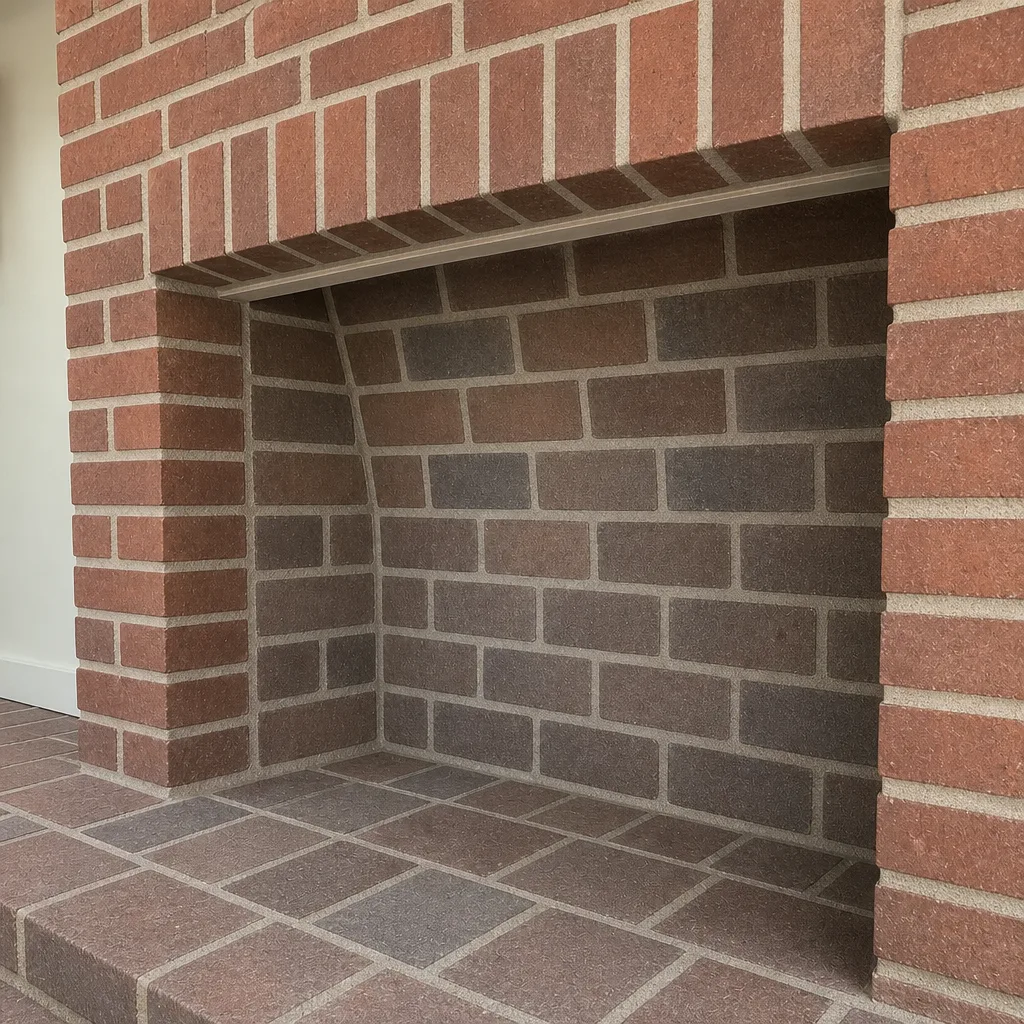
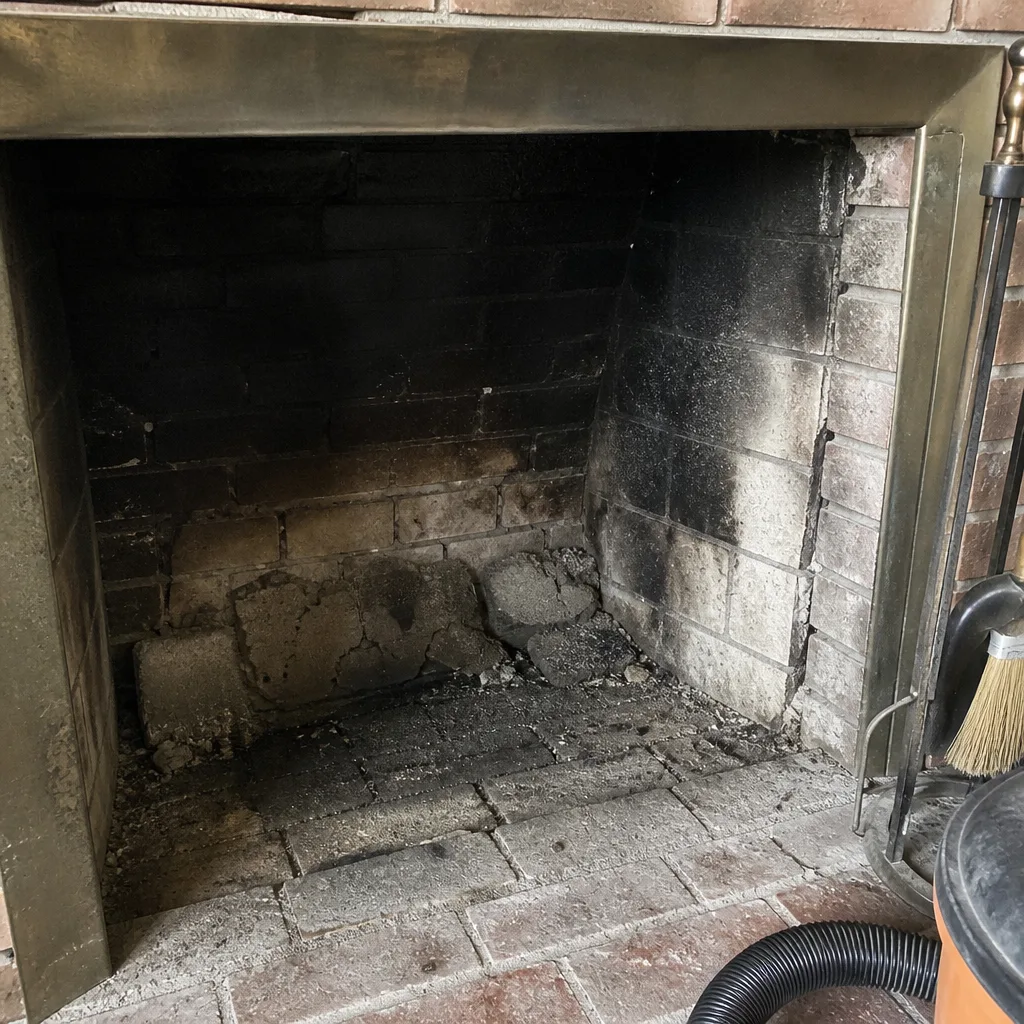
See the difference
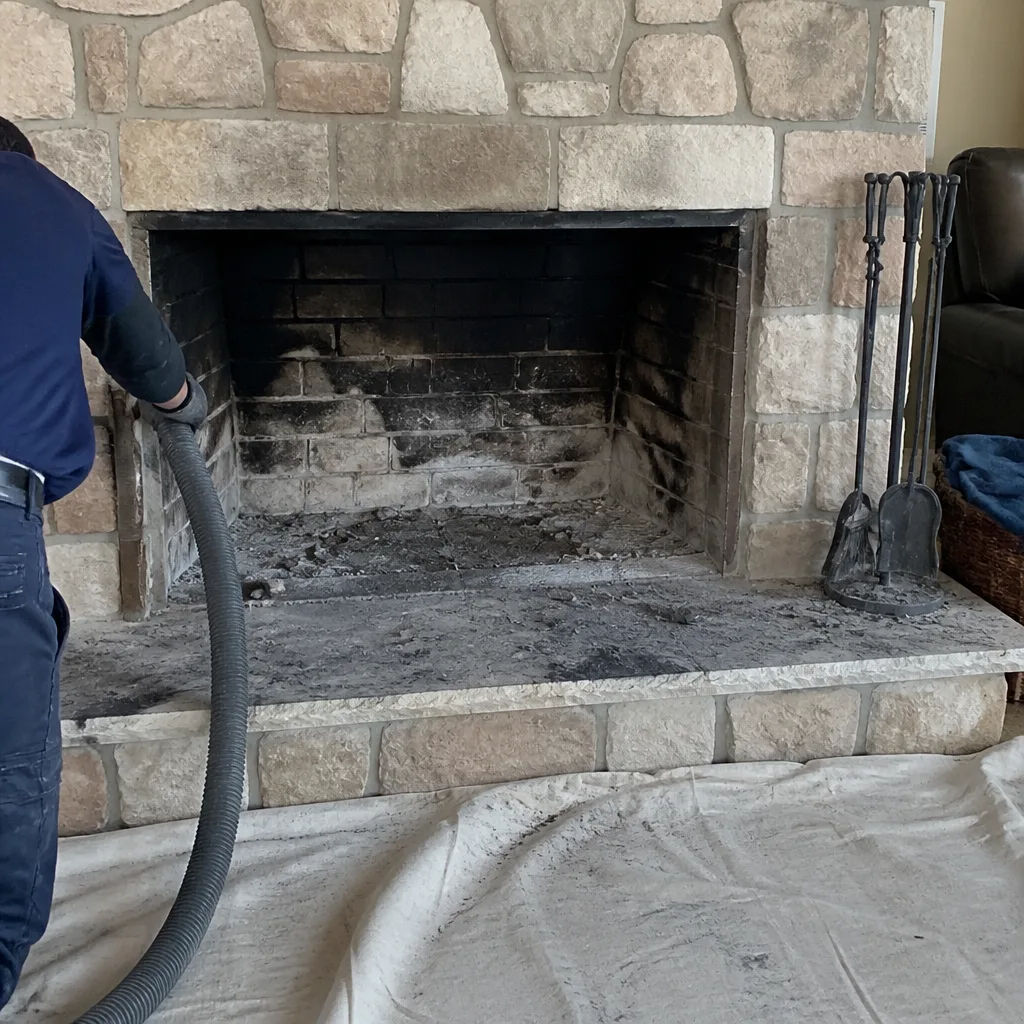 Before
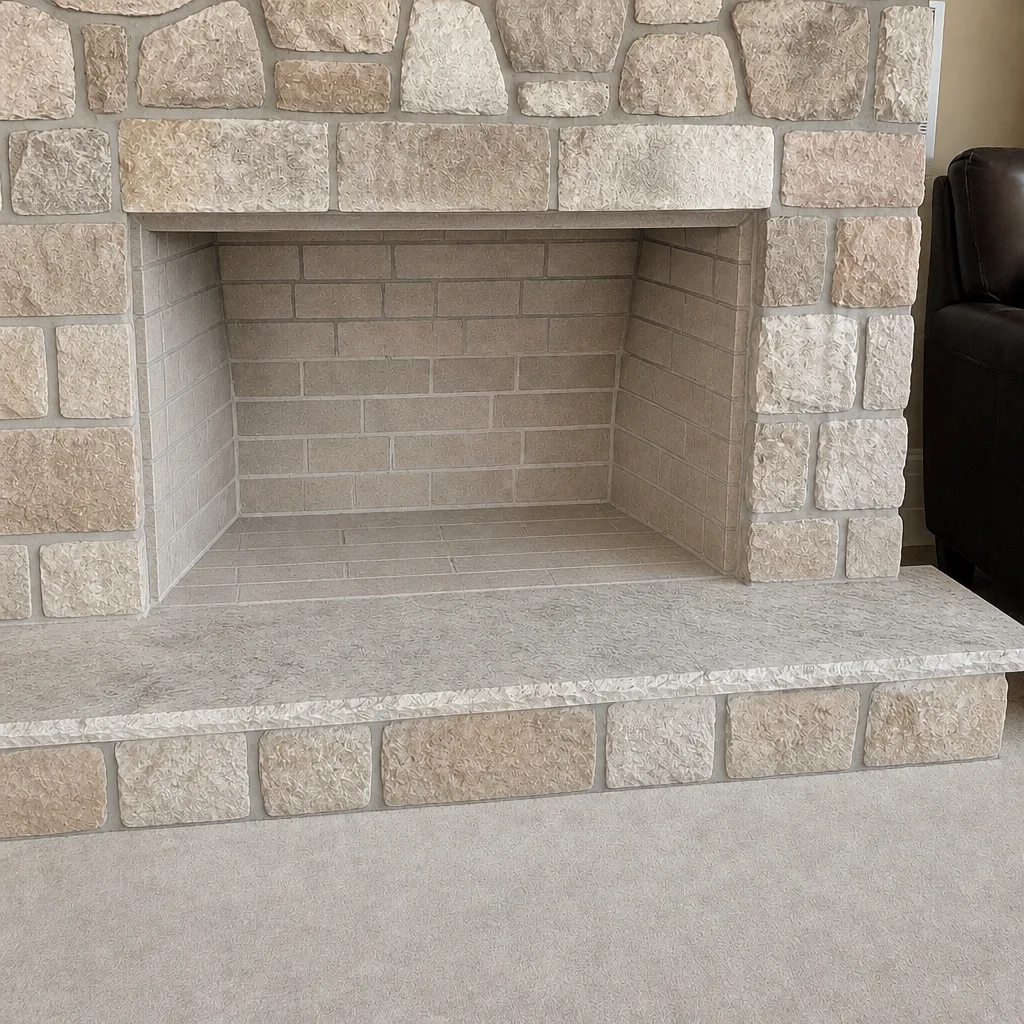 After
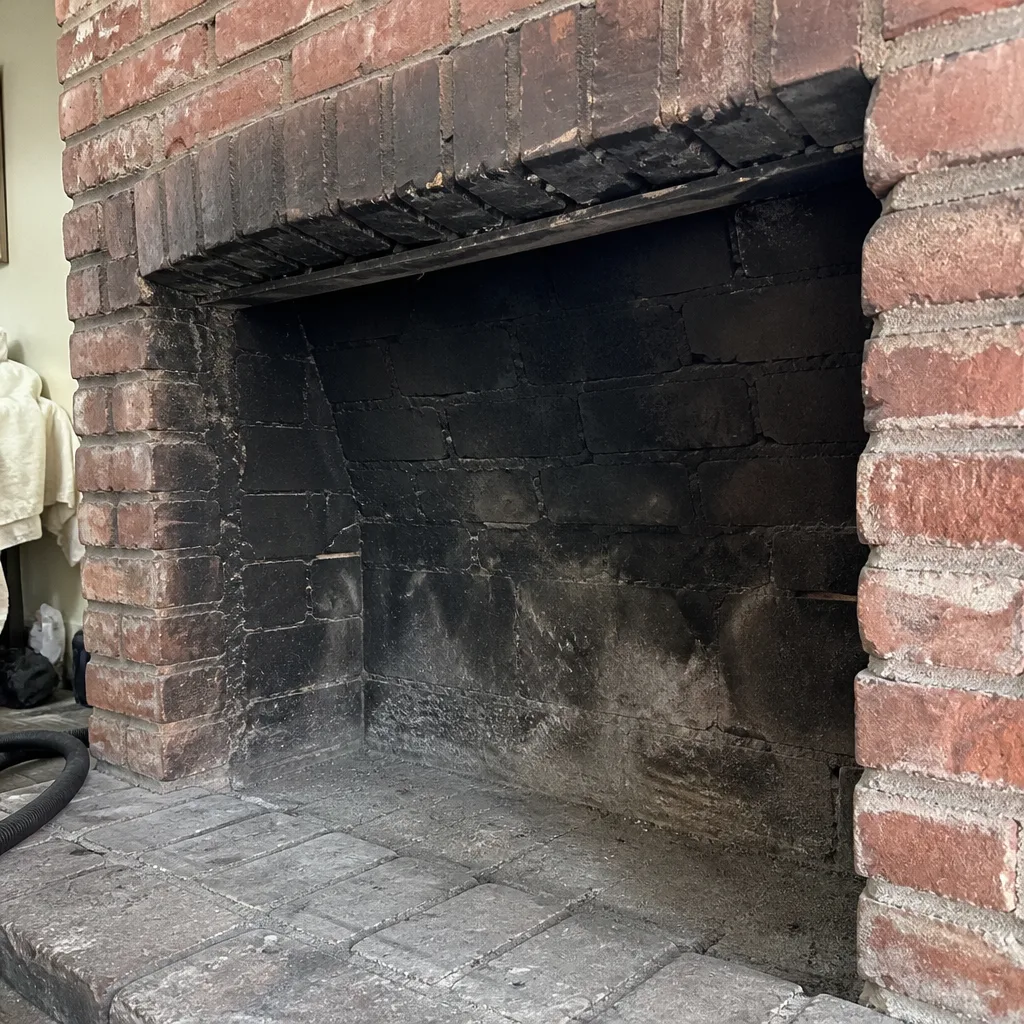 Before
 After
 Before
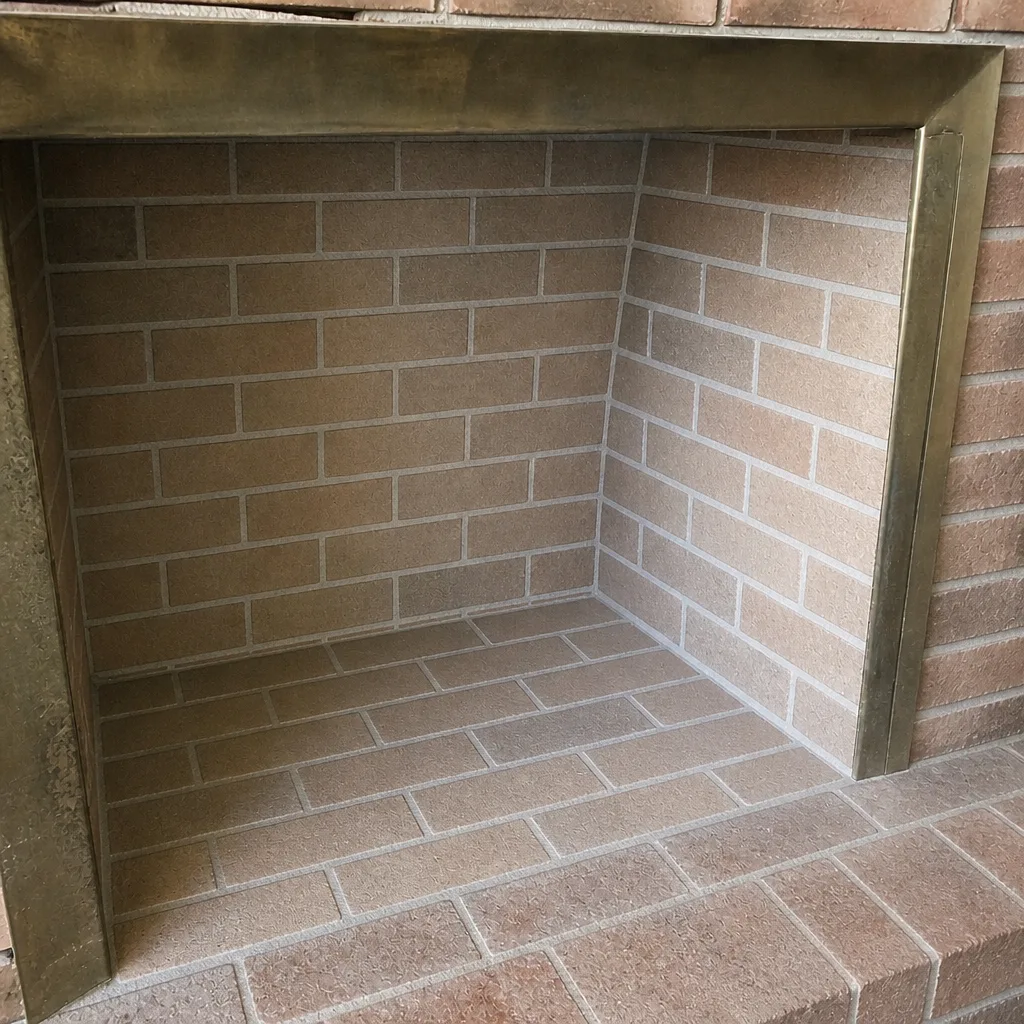 After