
Last updated November 24, 2026
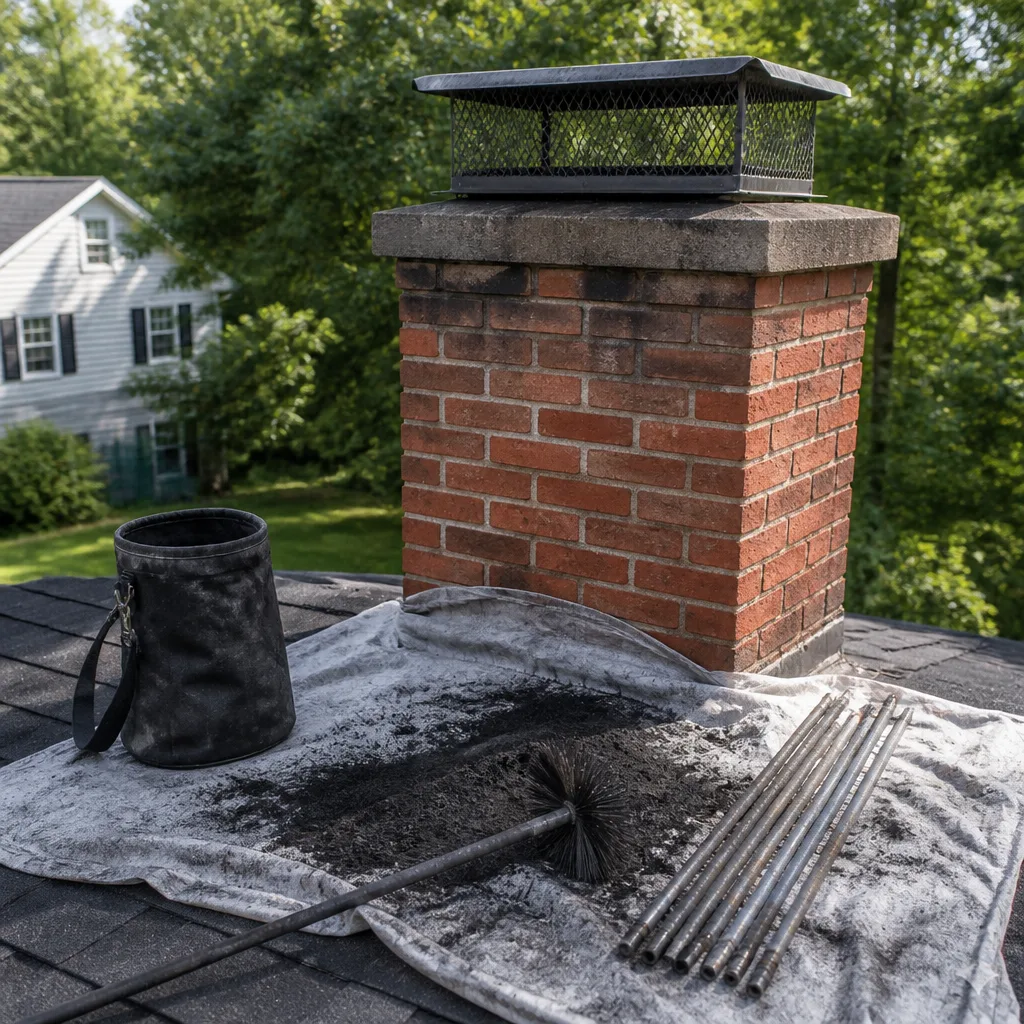 Sweep & inspection
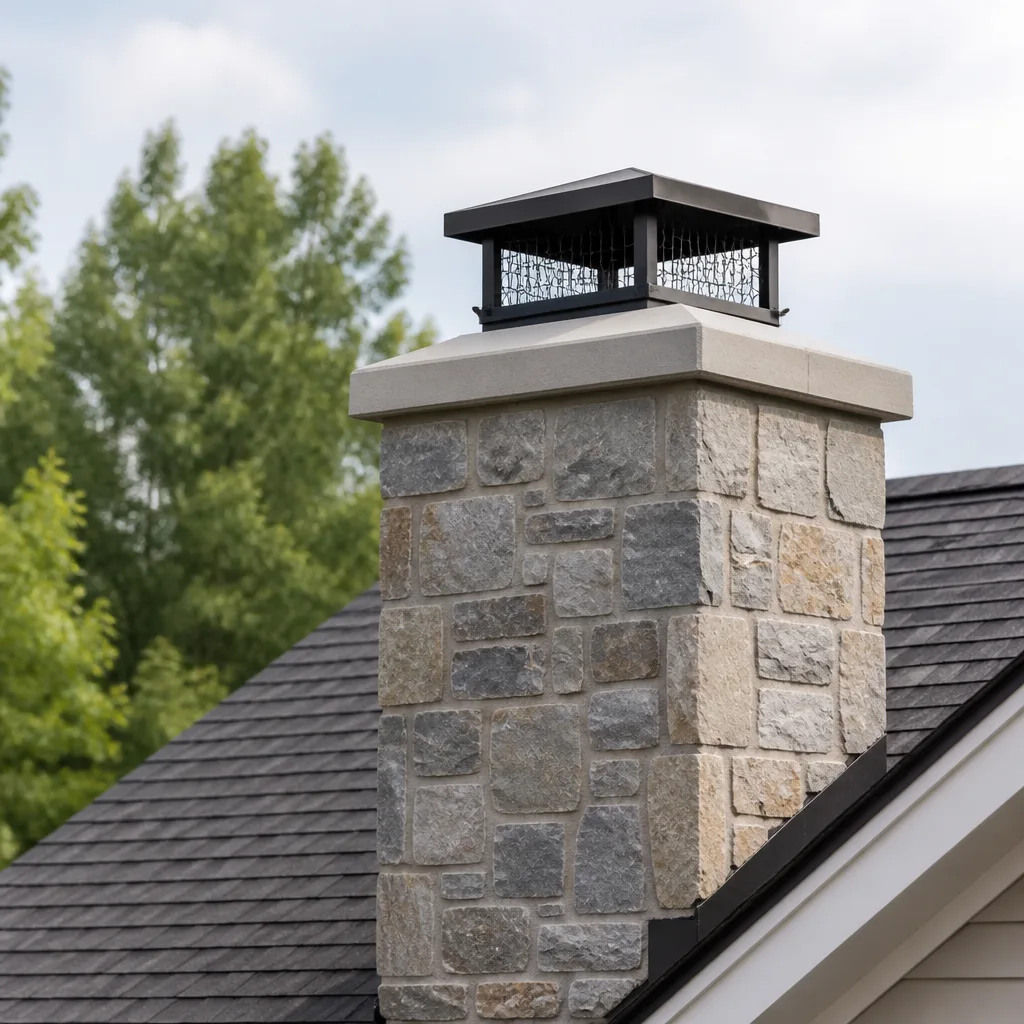 Caps & crowns
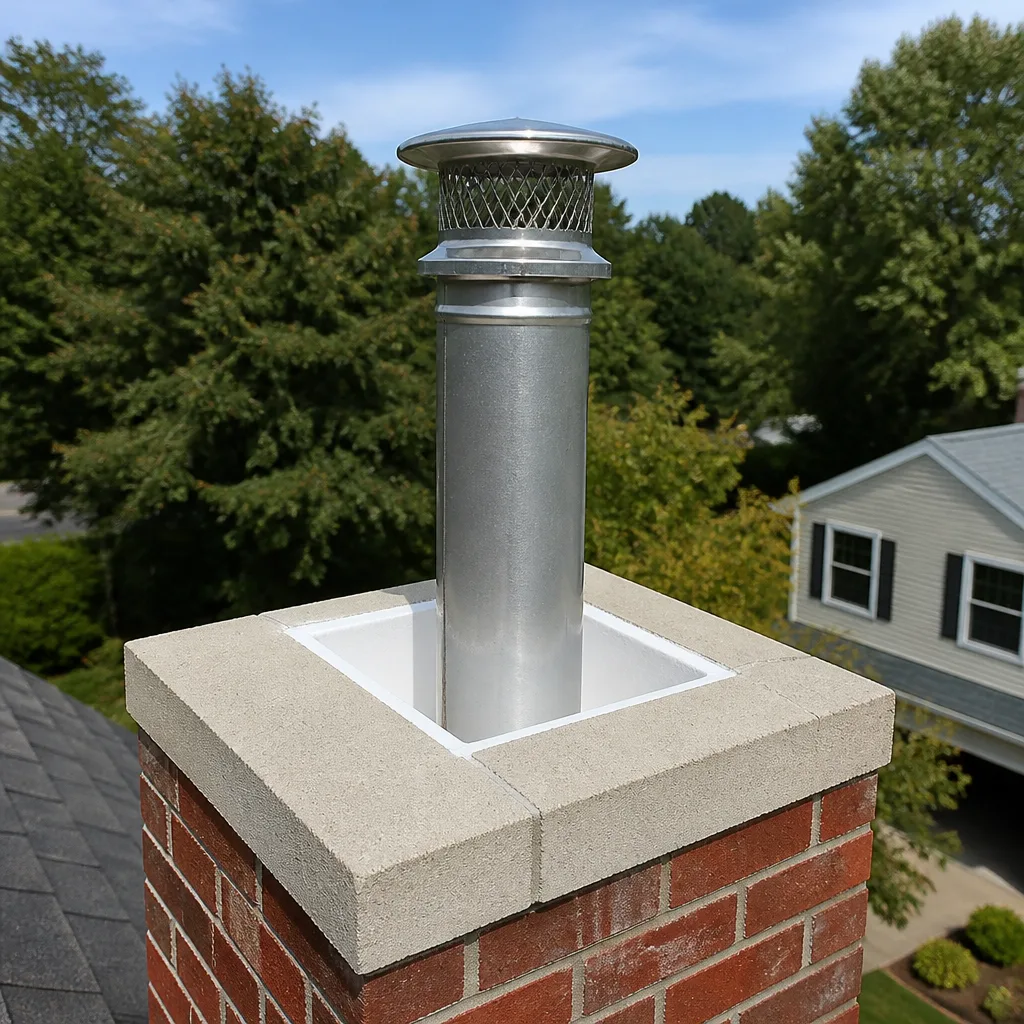 Flue relining
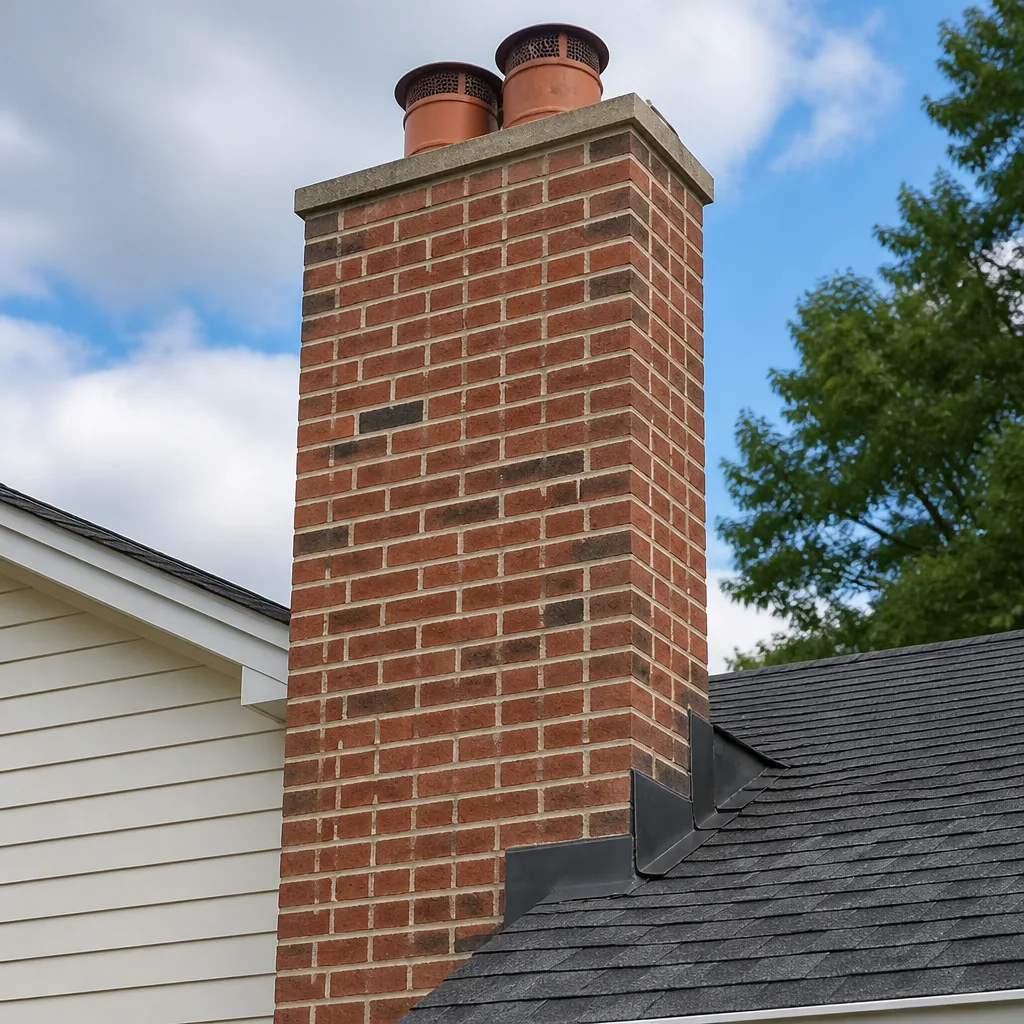 Masonry repair
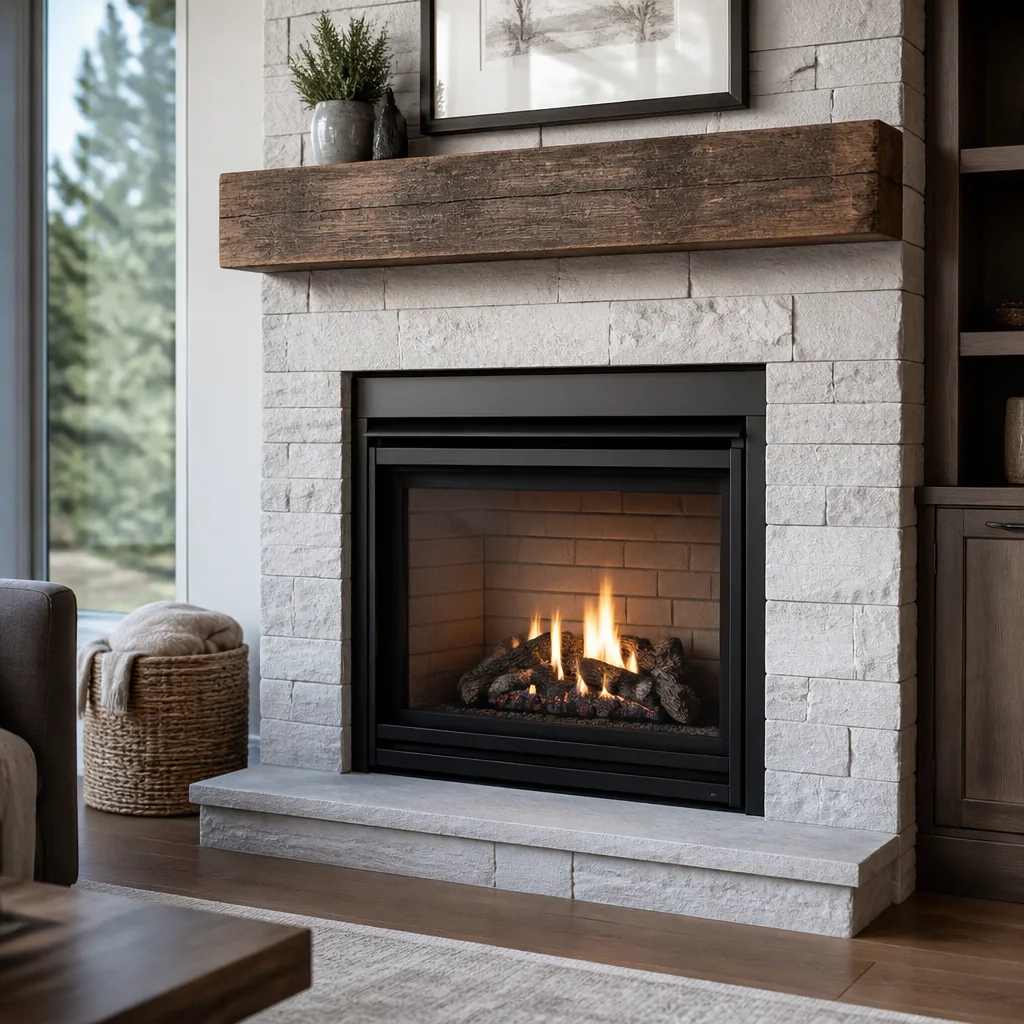 Gas fireplace service
Level 1 sweep and inspection to the NFPA 211 annual standard - flue, crown, cap, and flashing checked and photographed
Chimney sweep logs do not sweep chimneys. They loosen some creosote - which then falls where a brush and vacuum still have to collect it.
Seasonal Chimney Cleaning Care for South Jordan: Year-Round Homeowner’s Guide
The season most South Jordan chimneys are damaged isn’t winter. It’s spring. By the time the last fire burns out in February or March, the mortar joints around a flue have been worked hard for months by heat on one side and cold outside air on the other. Then the freeze-thaw cycle starts. Water gets into hairline cracks, freezes overnight, expands, and pops the masonry a little further apart. Nobody is watching because nobody is burning. Homeowners who treat chimney care as one annual event in the fall miss that window entirely. This guide walks through all four seasons, what each one does to a South Jordan chimney, and how to build a calendar that actually matches the climate here.
Quick Answer
Chimney care in South Jordan runs on four cycles, not one: a fall sweep and inspection before first use, winter monitoring of draft and odor, spring attention to freeze-thaw mortar damage and waterproofing, and summer checks on the cap, crown, and flue for animal intrusion and moisture. A single annual sweep handles the creosote but skips the spring and summer damage windows that drive most expensive repairs. Sweep in late September, watch through winter, inspect the exterior in March, and check the cap in June.
Styles & brands we work with
- Sweep & inspection
- Caps & crowns
- Flue relining
- Masonry repair
- Gas fireplace service
Table of Contents
- Fall (September-October): Sweep Before the First Fire, Not After
- Winter (December-February): Reading Draft and Odor Mid-Season
- Spring (March-May): The Freeze-Thaw Window Most Homeowners Miss
- Summer (June-August): Caps, Animals, and the Off-Season Rest
- Building Your South Jordan Chimney Calendar
- What a Real Inspection Covers (and What It Doesn’t)
- Signs Your Chimney Needs Attention Right Now
- Common Mistakes to Avoid
- When to Call a Professional
- Frequently Asked Questions
Fall (September-October): Sweep Before the First Fire, Not After
The cheapest chimney repair is the one you schedule in September. Creosote accumulates through the burn season, and by the time fall arrives the flue is carrying whatever the previous winter left behind. Lighting the first fire of the year on top of a full flue is how small problems become larger ones. The goal of a fall visit is to get the system clean and verified before you use it, so you’re not discovering a cracked flue tile in December when the house is cold and you want a fire.
What you should verify before that first fire:
- Get the flue swept. A proper chimney sweep removes creosote from the flue walls, the smoke chamber, and the firebox floor. Ask what method is used and what gets cleaned, not just whether the technician will “sweep it out.”
- Get a real inspection, not a glance. An inspection is a separate service from a sweep. Ask for the flue to be evaluated from top to bottom and for anything flagged to be photographed.
- Check the damper. It should open fully and close flush. A damper that sticks open wastes heat; one that won’t open fully pushes smoke into the room.
- Look at the firebox. Cracked firebrick or a damaged grate means the first fire should wait until it’s repaired.
- Confirm the cap is on and intact. A missing or damaged cap is the door through which water, birds, and squirrels get in. A chimney repair visit is the moment to fix it, not later.
South Jordan’s first hard freeze usually arrives in October, sometimes early November. Once it does, exterior work slows and the schedule fills. September and early October are the practical window to book your sweep and get whatever the inspection turns up repaired before first use. Wait until the first cold snap and you’ll be competing with every other homeowner in the valley for the same appointment slots.
Winter (December-February): Reading Draft and Odor Mid-Season
The chimney is working hardest between December and February, and that’s the season to watch rather than to open up. You don’t need to take anything apart mid-season. You need to pay attention to two signals: how the fire draws and how the room smells when there’s no fire.
Draft: what normal looks like
A healthy chimney pulls smoke up and out with a steady, even draw. You should see the flame lean slightly toward the flue and the smoke leave cleanly. If you notice any of the following, the system is telling you something:
- Smoke rolling back into the room when the fire is first lit, then settling once the flue warms (a normal cold-start puff) versus smoke that keeps coming back throughout the burn.
- A fire that struggles to get going even with dry, seasoned wood.
- Visible smoke at the top of the firebox.
- A draft that’s noticeably weaker than it was in November.
Weakening draft mid-season can point to a partial blockage, a failing flue liner, or an exterior change like a new neighboring roofline affecting the pressure at the cap. It’s worth a call, not a mid-season teardown.
Odor: the other mid-season signal
Creosote has a smoky, tarry smell, and it becomes more noticeable when the chimney is cold or when a south wind pushes down on the flue. Strong odor from the fireplace in a room with no fire usually means creosote has built up on the flue walls. If the smell is sharp and acrid rather than smoky, have it looked at right away. A qualified technician can assess without opening the whole system.
Typically the mid-season answer is: schedule the inspection for early spring, run the fire normally, and call us for anything unusual. We answer 24/7. Fast dispatch from 7am to 7pm, Sunday through Friday.
Spring (March-May): The Freeze-Thaw Window Most Homeowners Miss
This is where the counterintuitive part of South Jordan chimney care lives. The winter burn season does its damage quietly: heat cycling, moisture from combustion, and creosote residue all work on the flue and the mortar joints around it. Then spring arrives with warm days and cold nights, and the freeze-thaw cycle starts working on the same joints. Water that gets into a hairline crack during the day freezes overnight, expands, and widens the crack a fraction. Repeat that fifty or sixty times between March and May, and small cracks become real ones.
What to look for on the crown and exterior brick
Walk outside on a dry day and look up. Specifically look for:
- Cracks in the crown. The crown is the concrete cap at the very top of the chimney that sheds water. Any crack in it is a path for water into the masonry below.
- Spalling brick. Faces that are flaking, pitted, or peeling. That’s freeze-thaw damage in progress.
- White staining on the brick. Efflorescence is a salt deposit that shows moisture has been moving through the masonry.
- Loose or missing mortar at the joints. If you can push a screwdriver into a joint and it crumbles, the joint is failing.
- Rust streaks on the firebox or damper. Water coming down the flue, usually from a bad crown or a failing cap.
Why spring is the right time for waterproofing
Waterproofing a masonry chimney only works when the surface is dry and stable. That means it’s applied after any cracked masonry is repaired but before the summer heat bakes the exterior. Spring on the Wasatch Front gives a dry, moderate window for that work. Applied in summer, the surface is often too hot for the product to cure correctly. Applied in fall, you’re racing the first snow. If your chimney has visible spalling, cracking, or efflorescence, spring is the season to address it, and a chimney repair visit is where that starts.
Summer (June-August): Caps, Animals, and the Off-Season Rest
South Jordan sits against the Oquirrh foothills, and a chimney that’s cold and unused from May through September is a hollow vertical space on the outside of a house. That’s exactly what birds, squirrels, and the occasional raccoon are looking for. The summer chimney check is the one most homeowners skip entirely, and it’s the one that prevents the two problem calls we get most in early fall: an animal nest blocking the flue and a rusted-out damper from summer rain.
Summer chimney checklist
- Inspect the cap. The cap should sit flush, be screwed or riveted to the crown, and have mesh screening intact on all sides. Missing screen is an open door. A cap installed with the right chimney cap and crown hardware stays put through a South Jordan windstorm; a loose one doesn’t.
- Listen for noise. Scratching or chirping from the fireplace, especially early morning, means something is in the flue. Don’t light a fire to “flush it out.” Call for a technician to remove the animal and inspect for nesting material.
- Look for summer water intrusion. Rain stains on the firebox floor, rust on the damper, or a musty smell near the hearth all point to water coming in from above.
- Check the crown again. Summer heat dries out cracks that were hairline in spring. A dry day is the right time to have them sealed.
- Get an off-season inspection if you’ve never had one. A summer inspection catches problems when they’re small and lets any repair be done on your schedule, not in a rush before the season.
Summer is also the season to let the system rest. Run the fireplace dry, don’t use it, and let the masonry settle. It’s the same principle as giving a hard-worked piece of equipment a full off-season.
Building Your South Jordan Chimney Calendar
South Jordan’s climate drives four cycles: a hard freeze around October, a full burn season through February, a freeze-thaw cycle that peaks in March and April, and a dry summer with hot days and cool nights against the foothills. Inversions in the Salt Lake Valley trap cold air against the Wasatch Front, which means smoke and combustion odors hang longer when there’s no wind to move them, and that’s a reason to be extra attentive to draft and creosote buildup in the winter months.
Here’s the calendar we recommend to South Jordan homeowners:
- Late August to mid-September: Book the sweep and inspection. This gets your chimney in the queue before the fall rush.
- Early October: Complete any repair the inspection flagged. This is before the first hard freeze.
- October through February: Burn season. Watch draft and odor, and call if anything changes.
- March through May: Exterior inspection, crown and masonry repair, and waterproofing while the surface is dry.
- June through August: Cap check, animal intrusion inspection, and any major repair the inspection found that wasn’t urgent.
- Ongoing: Sweep based on usage, not on a fixed annual date. A homeowner burning daily through the winter needs a sweep sooner than one who burns on the occasional cold night.
If your chimney has never been inspected or hasn’t been checked in more than a year, the calendar starts now. The written estimate and inspection report you get from the first visit become the baseline for every decision after. For a broader view of how the sweep fits into this seasonal plan, our Chimney Sweep South Jordan page walks through each service.
What a Real Inspection Covers (and What It Doesn’t)
An inspection is not a sales pitch, and it isn’t the same thing as a sweep. A sweep removes creosote. An inspection evaluates the condition of the flue, firebox, smoke chamber, damper, crown, cap, and exterior masonry, and it’s a standalone service we perform whether or not there’s a sweep attached. Here’s what a full inspection should include:
- Visual evaluation of the firebox, smoke chamber, and damper. Anything cracked, damaged, or out of alignment gets noted.
- Evaluation of the flue from the top and from the firebox. A camera inspection where the flue makes a turn or where a liner can’t be seen by eye alone. The camera shows you what the technician is seeing, so you’re not taking their word for it.
- Exterior inspection of the crown, the cap, the flashing (the metal where the chimney meets the roof), and the masonry. This is where the spring damage shows up.
- A written report with photographs. Ask for it in writing before any repair is scheduled. You should be able to look at what was flagged and make your own call about whether to repair now or wait.
What it shouldn’t include is pressure to reline a chimney on the spot. If your flue has minor cracks or a lightly damaged interior surface, there’s a repair option short of full relining. We work with HeatShield, a resurfacing product that repairs the inside of the flue and extends liner life without replacing the full system. When a full reline is genuinely needed, we install DuraFlex flexible liner systems sized to the existing flue configuration. And if the inspection finds nothing urgent, we say so.
Signs Your Chimney Needs Attention Right Now
Most chimney problems announce themselves before they become structural. Some signs can wait for the next scheduled inspection; some can’t. These are the ones that shouldn’t wait:
- Smoke backing into the room on every fire. A blocked or failing flue.
- A strong, sharp, chemical odor from the fireplace with no fire burning. This can indicate creosote buildup at a stage that’s a chimney fire risk.
- Water actively coming into the firebox. A failed crown or cap that needs fixing before the next freeze.
- Animal noise in the flue. A nest or a live animal blocks the flue and can’t be burned out.
- Cracked or missing firebrick in the firebox. Don’t light a fire until it’s repaired.
- Loose or crumbling exterior mortar. A structural issue that gets worse every freeze cycle.
Of these, the creosote and blockage items are the ones with real safety weight. Blocked flues and heavy creosote are two of the main conditions behind chimney fires, and a blocked flue can push carbon monoxide back into the house. That’s not a scare tactic; it’s why a sweep and inspection aren’t optional for a chimney you actually use.
Beyond those, the spring and summer signs (spalling brick, efflorescence, a cracked crown, a missing cap) are often ones that can safely wait weeks or months for the right repair window. The written inspection report tells you which category a finding falls into.
Common Mistakes to Avoid
- Waiting until November to schedule the sweep. By early November, the South Jordan schedule is full and the first cold spell has everyone calling at once. Book in September.
- Treating the sweep as the whole job. A sweep cleans the flue. It doesn’t evaluate the crown, the cap, the exterior masonry, or the firebox condition. Both services matter, and they’re separate for a reason.
- Skipping the spring exterior check. Spring is when freeze-thaw damage is happening, and it’s the season most homeowners don’t think about the chimney at all. That’s exactly why the cracks get worse without anyone noticing.
- Ignoring the cap because “it’s just a wire mesh.” A missing cap means water, birds, and squirrels are getting into the flue, and a rusted-out damper is the eventual result.
- Burning unseasoned wood to “use up” what’s left over. Green or wet wood deposits more creosote on the flue walls than dry, seasoned wood. Ask the supplier about moisture content, not just species.
- Relining when a HeatShield repair would do. Full relining is the right answer when the liner is failing structurally. For minor cracks and surface damage, HeatShield resurfacing can extend the liner’s life. Get a report that shows why one option is being recommended over the other.
- Using a general handyman for chimney work. Chimney repair needs the right materials for the job. A masonry patch applied without understanding how the flue handles heat and moisture doesn’t hold up. This work belongs to a chimney specialist.
When to Call a Professional
Call us when you’re ready to build the calendar, when the first fire of the season is on your mind, or when something’s changed in the way the chimney’s behaving. Specifically, call when: smoke comes back into the room; you smell a sharp odor with no fire burning; you hear scratching in the flue; water is coming into the firebox; you see cracked or flaking masonry from the ground; or the crown has visible cracks. Also call for the routine stuff: a sweep before the first fire, an inspection after a burn season, an exterior check in spring, and a cap and crown review in summer. We work with Copperfield, DuraFlex, HeatShield, and Gelco because those are the products that hold up on a South Jordan chimney season after season, and we’d rather explain why one’s the right fit than sell you on a brand name.
Chimney Sweep South Jordan offers free estimates in South Jordan. Call (833) 508-9471. We answer 24/7. Fast dispatch from 7am to 7pm, Sunday through Friday.
Frequently Asked Questions
A chimney used regularly through the winter should be swept at least once a year, and more often if you’re burning daily or burning wood that isn’t fully seasoned. The best time to schedule your chimney sweep in South Jordan is late September, before first use. That gets the flue clean before the burn season starts and leaves time to address whatever the inspection finds. Call (833) 508-9471 for an exact quote – estimates are free.
Not always. A full reline is only needed when the liner has failed structurally, and a written inspection report with photographs should show you why. For minor cracks and surface damage, HeatShield resurfacing repairs the inside of the flue and extends the liner’s life without a full reline. When a reline is genuinely needed, we install DuraFlex flexible liner systems sized to the flue. Ask for the report first, then decide. Call (833) 508-9471 for an exact quote – estimates are free.
Creosote keeps building on the flue walls, and a heavier load of it is a higher chimney fire risk. Skipping a season also means you skip the inspection that catches small cracks, a failing crown, or a missing cap before they turn into expensive repairs. The chimney doesn’t tell you when it’s building a problem; the inspection does. Call (833) 508-9471 for an exact quote – estimates are free.
Yes. Summer is when animals and birds nest in unused flues and when a cracked crown lets rainwater into the firebox and rusts the damper. A short check in June catches both. The chimney is cold and empty from May through September, which is exactly when the problems set in. Call (833) 508-9471 for an exact quote – estimates are free.
For masonry chimneys, yes. The spring freeze-thaw cycle is when water in hairline cracks expands overnight and widens them, and it’s the season most homeowners aren’t watching. A dry spring day is also the right time to seal a crown or waterproof the exterior brick, because the surface needs to be dry and stable to take the product. Fall gets the sweep; spring prevents the repair. Call (833) 508-9471 for an exact quote – estimates are free.
We install and repair with professional-grade chimney materials including DuraFlex flexible liner systems, HeatShield flue resurfacing, and Copperfield and Gelco cap and ventilation products. The material matters as much as the work, and a fireplace repair or reline done with the right product holds up better over the seasons. Ask what’s being specified on your estimate and why. Call (833) 508-9471 for an exact quote – estimates are free.
The Bottom Line
South Jordan chimney care runs on four cycles, not one. A fall sweep and inspection gets you ready for the first fire. Winter monitoring of draft and odor catches mid-season problems before they become fires. Spring is the freeze-thaw window when mortar joints and crown cracks need attention, and it’s the season most homeowners skip. Summer checks on the cap and flue prevent animal intrusion and water damage during the empty months. Building a calendar around those four cycles costs less than repairing the damage a one-season habit creates. If you’re ready to set yours up, our team can walk you through the whole plan.
Call (833) 508-9471 for a free estimate. We answer 24/7. Fast dispatch from 7am to 7pm, Sunday through Friday, closed Saturday.
Written by the team at Chimney Sweep South Jordan.
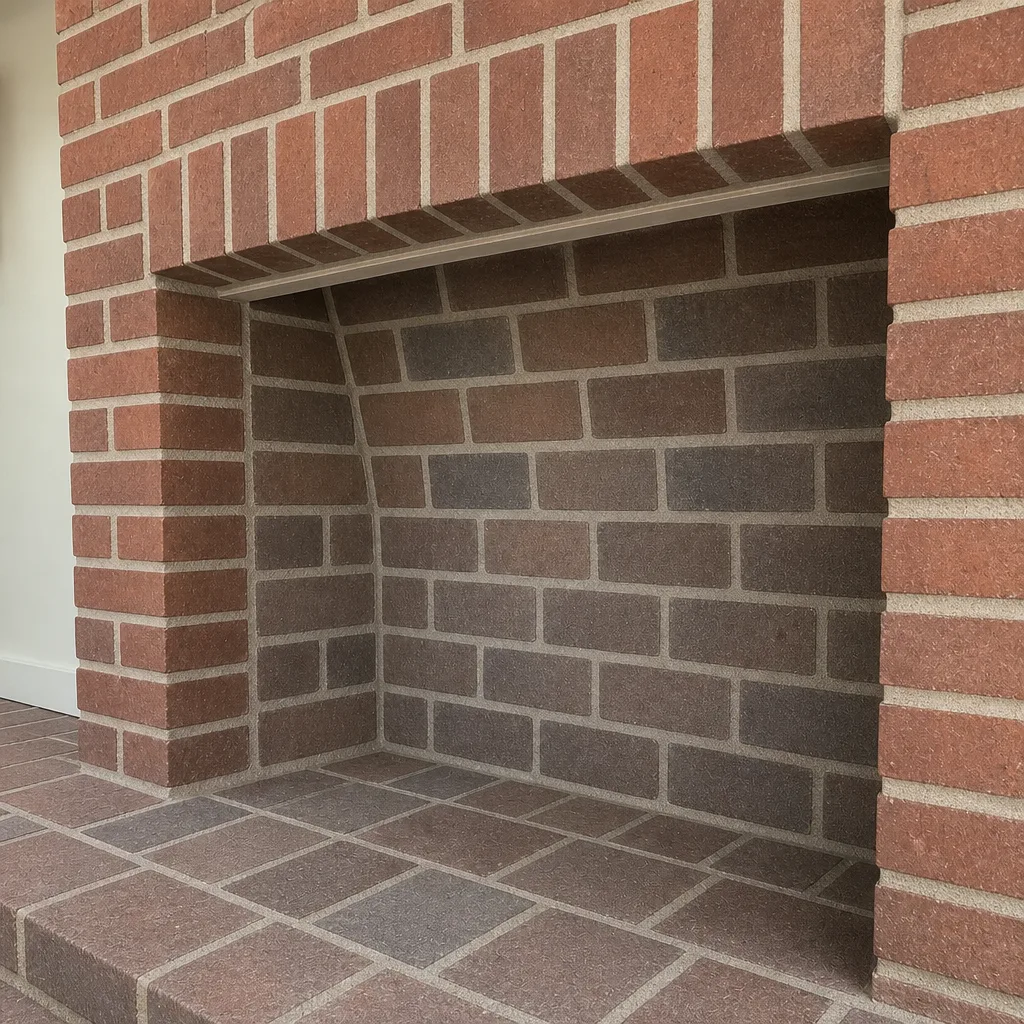
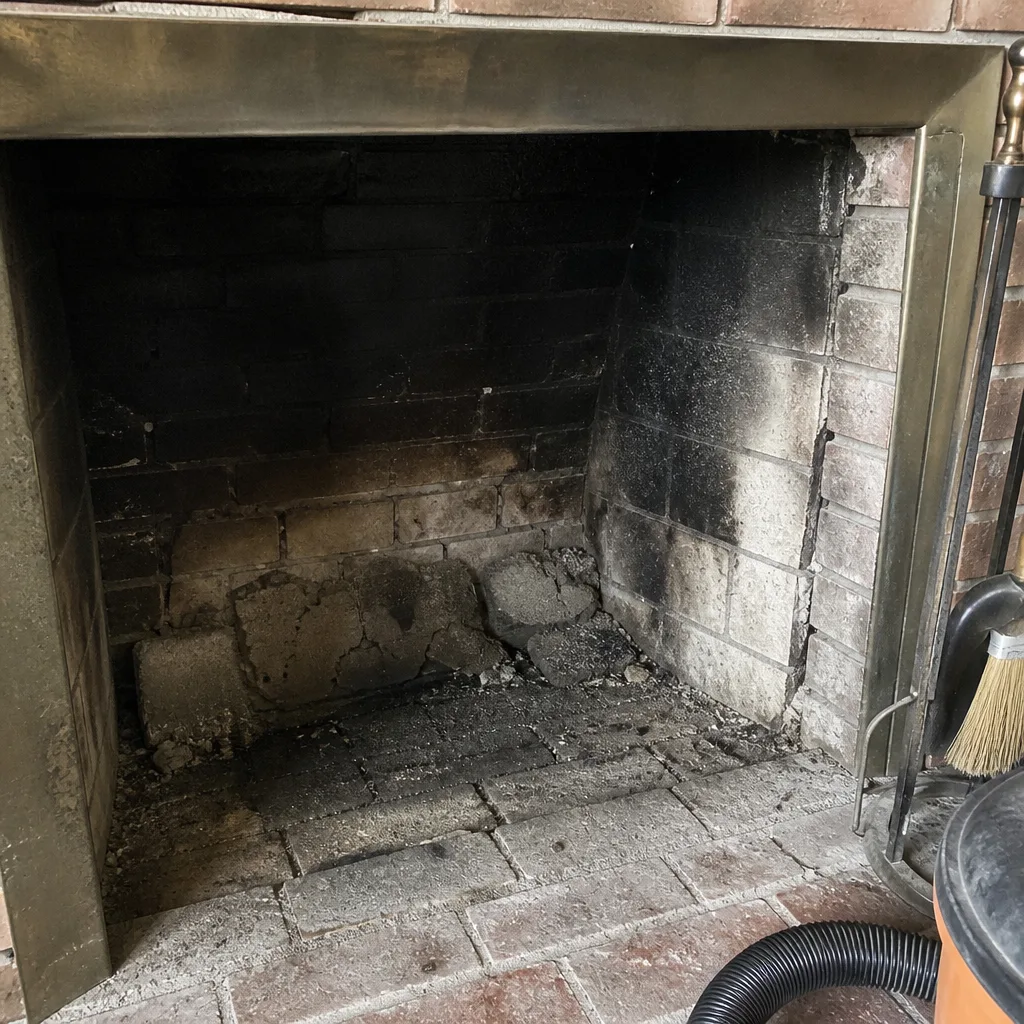
See the difference
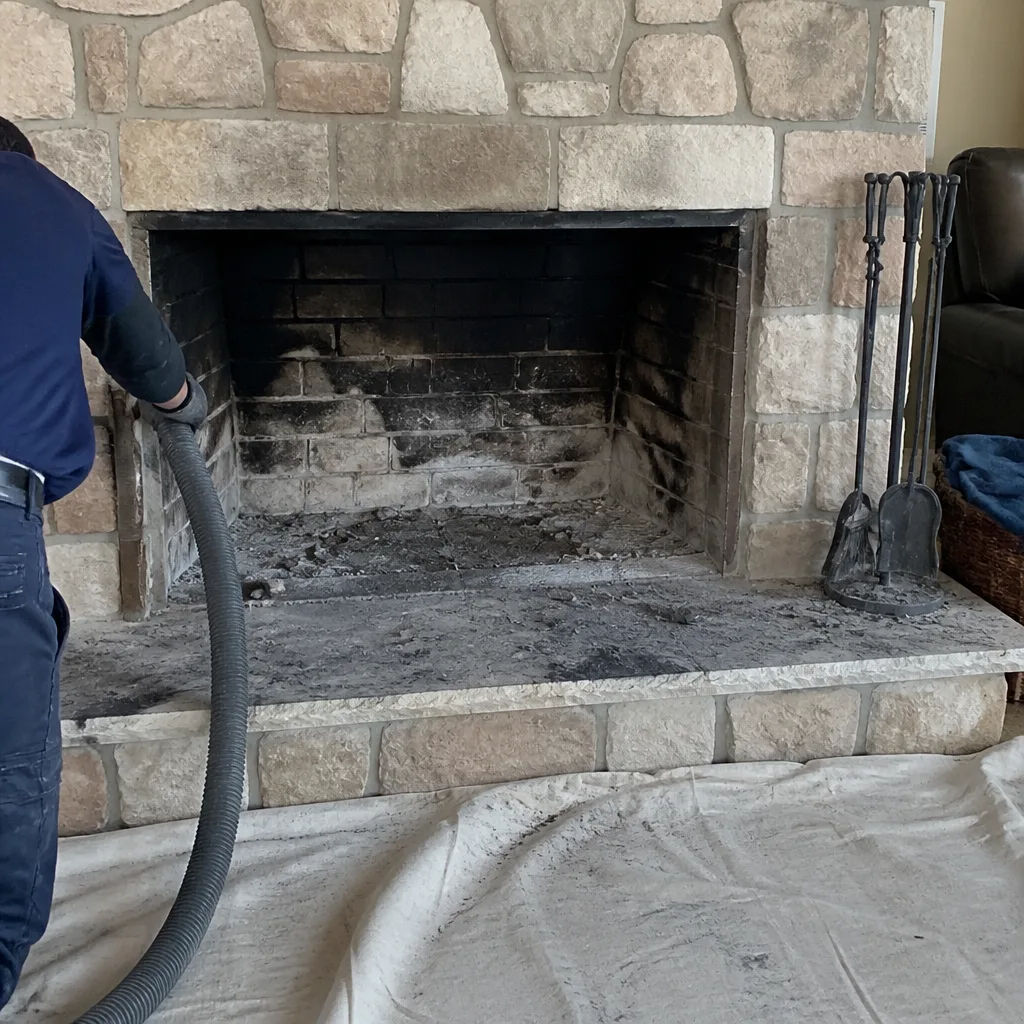 Before
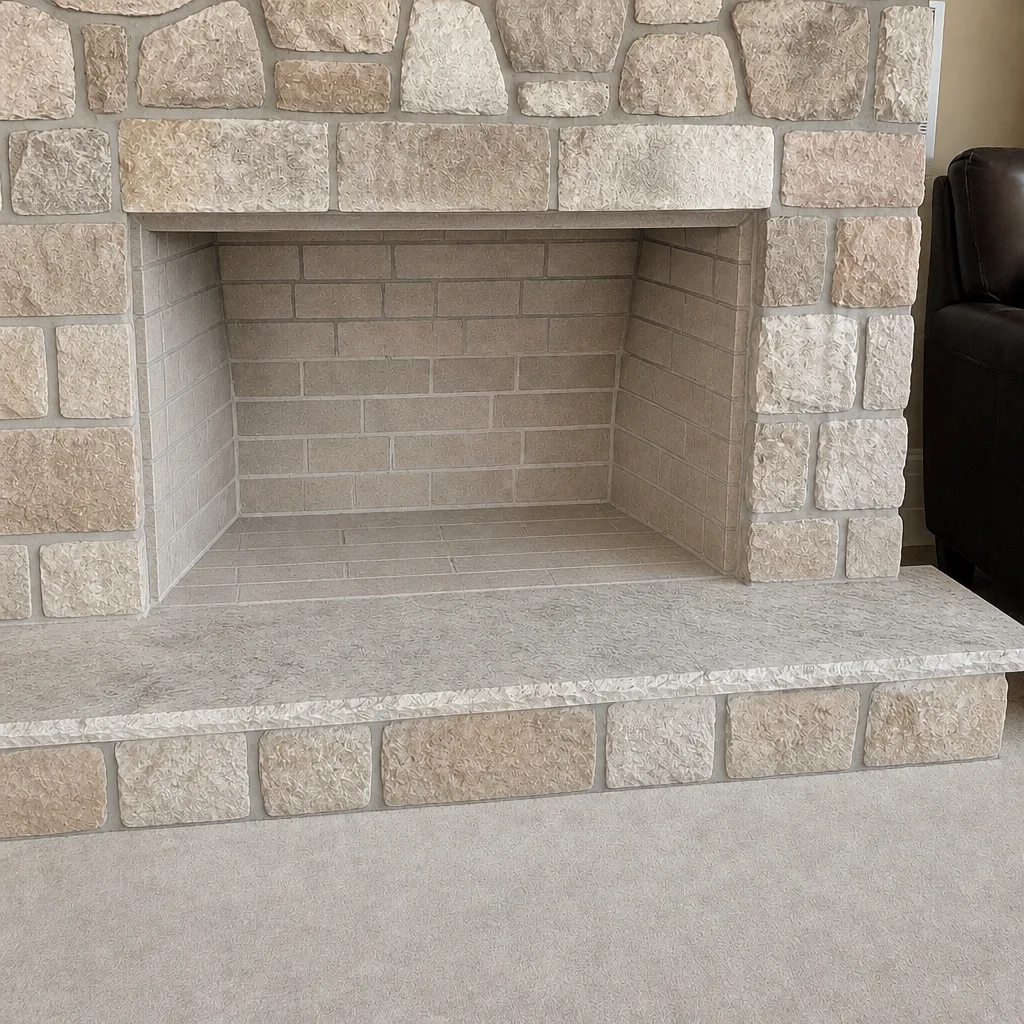 After
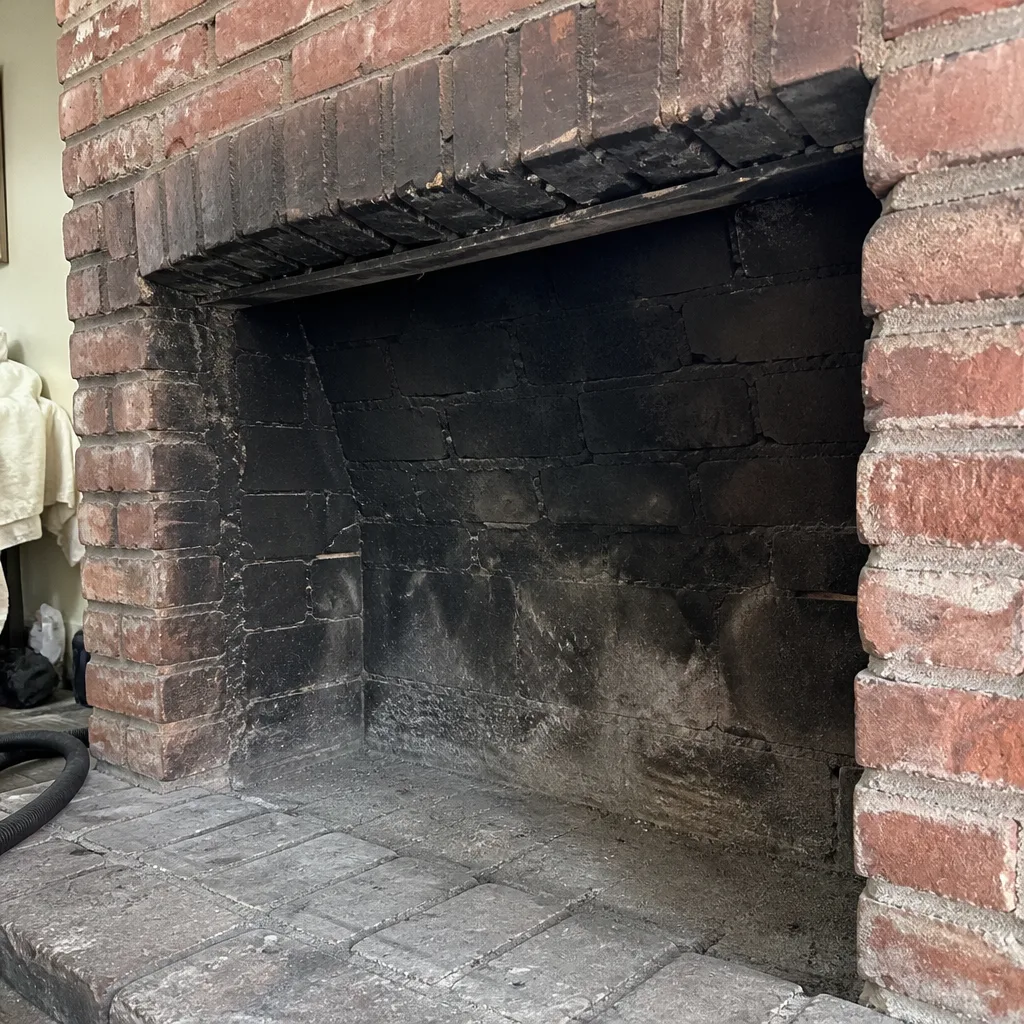 Before
 After
 Before
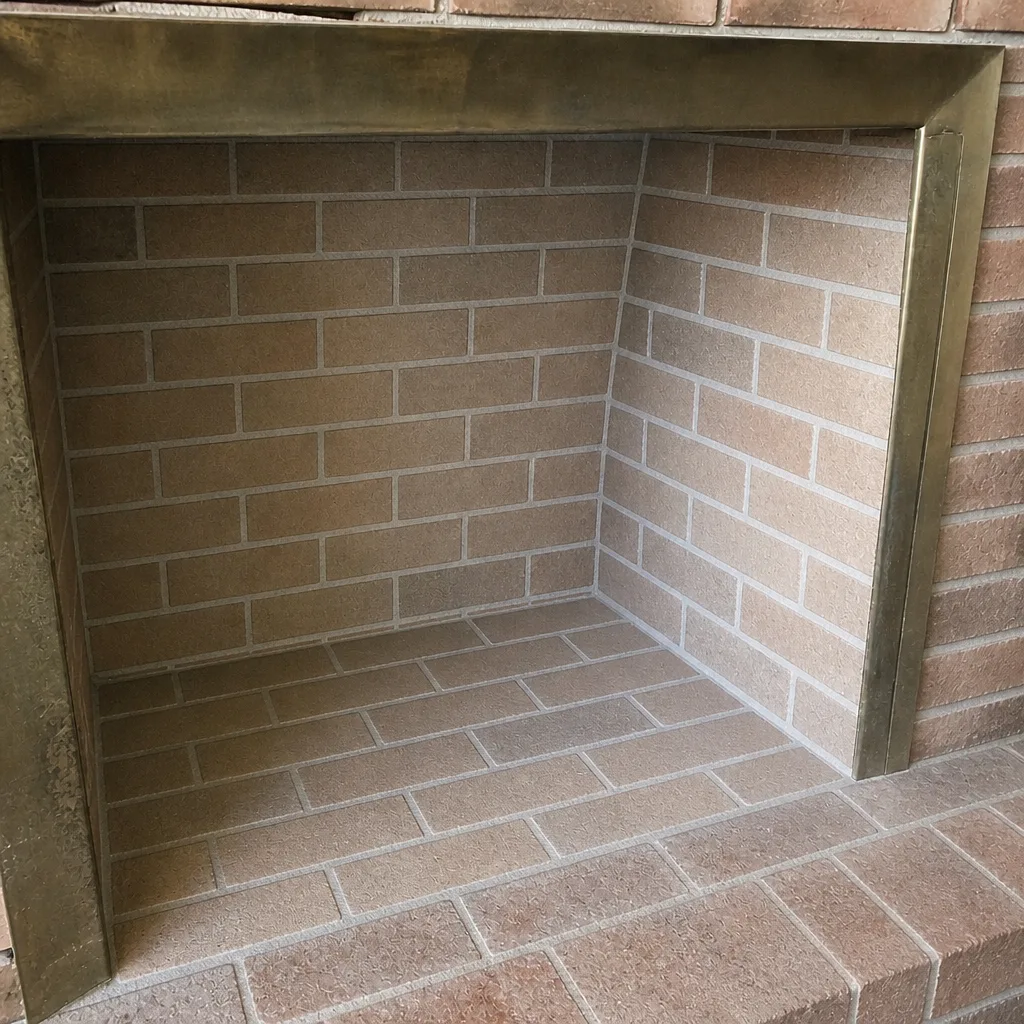 After