
Last updated November 24, 2026
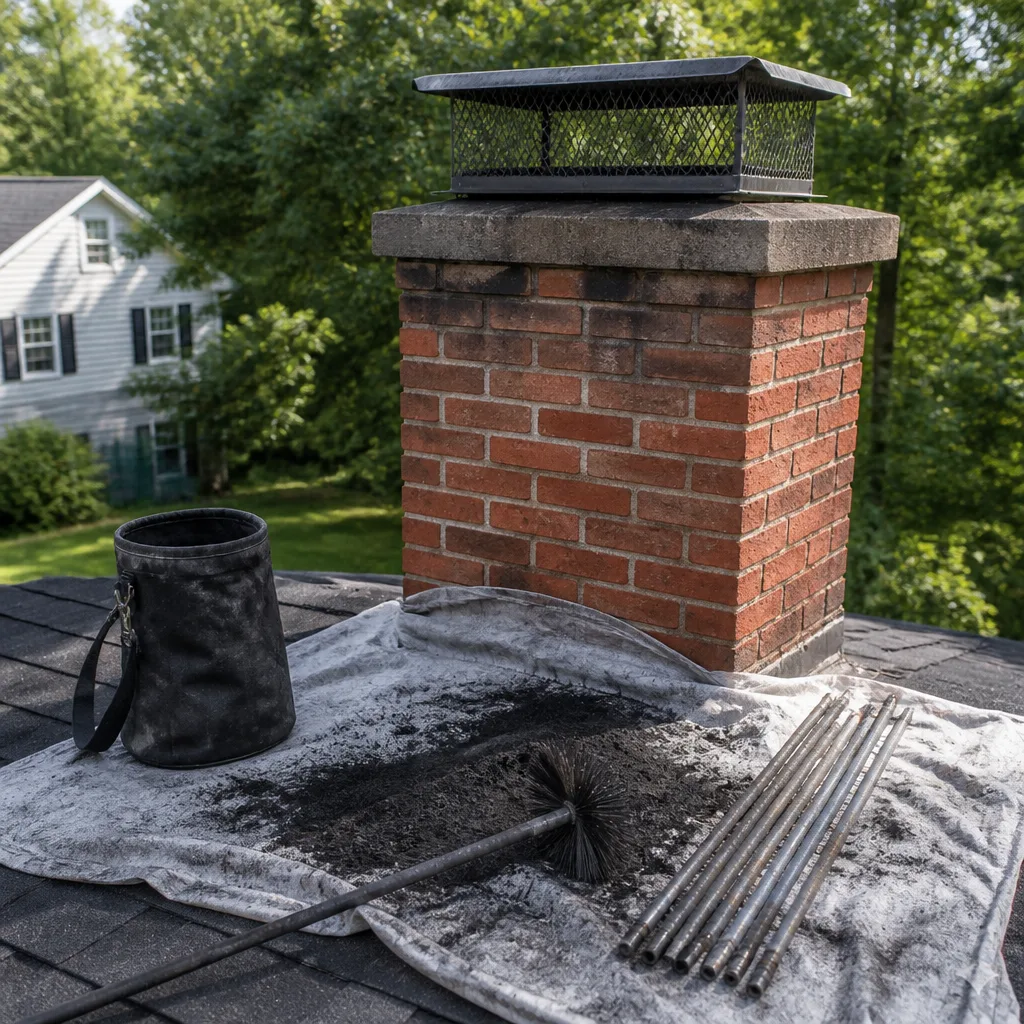 Sweep & inspection
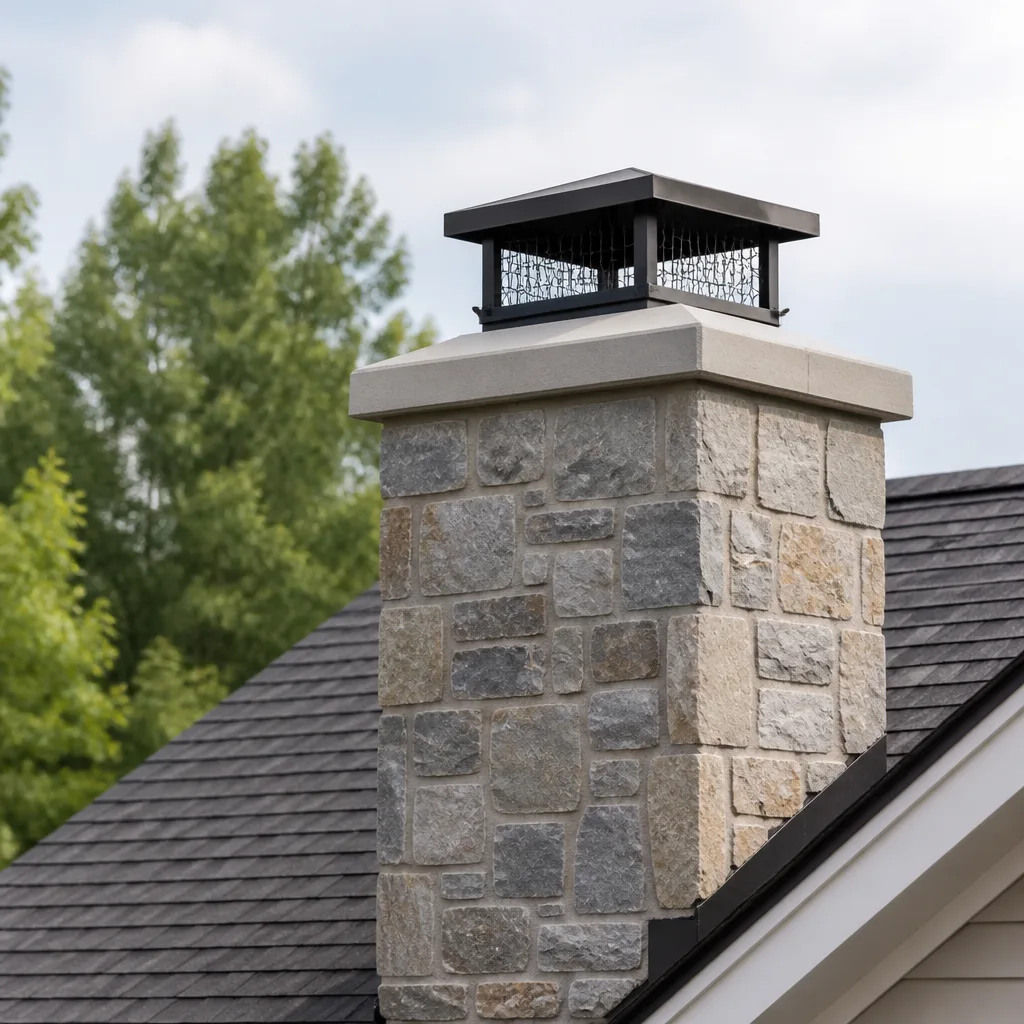 Caps & crowns
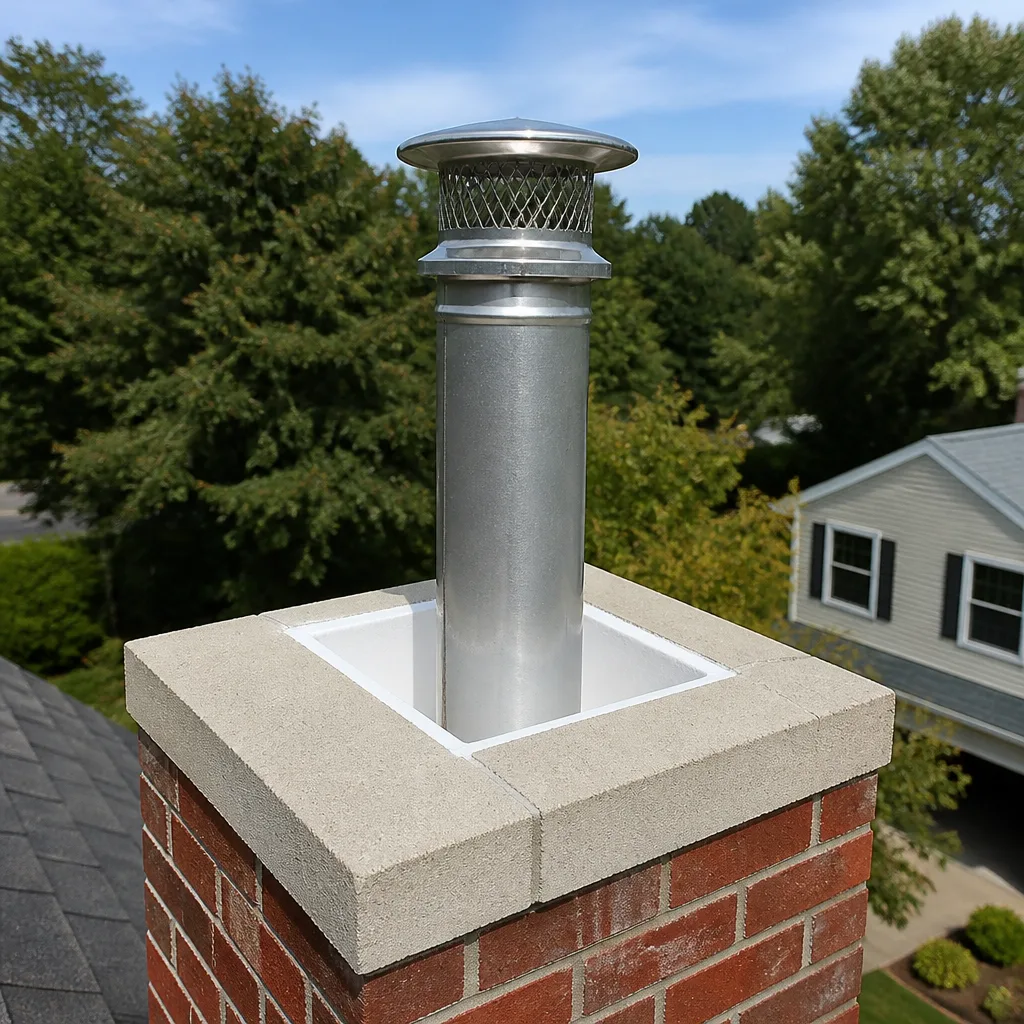 Flue relining
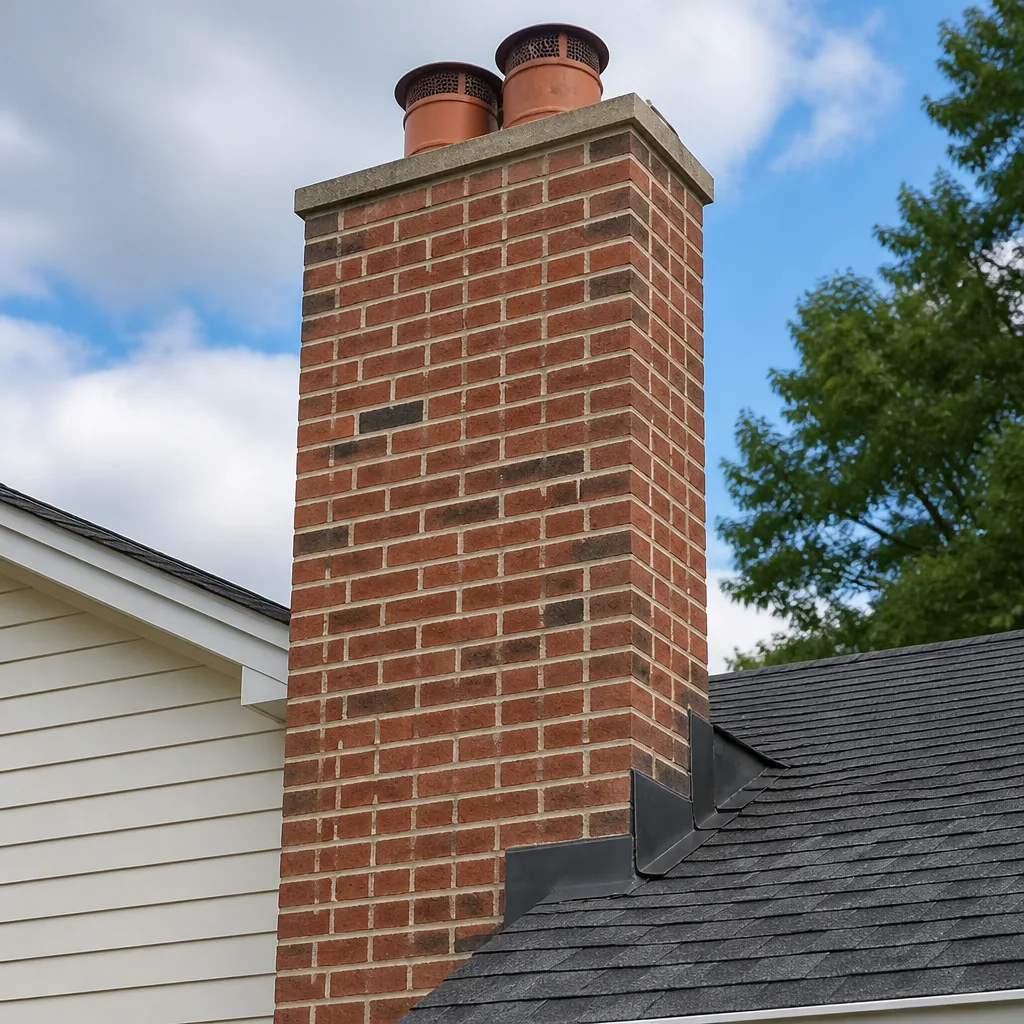 Masonry repair
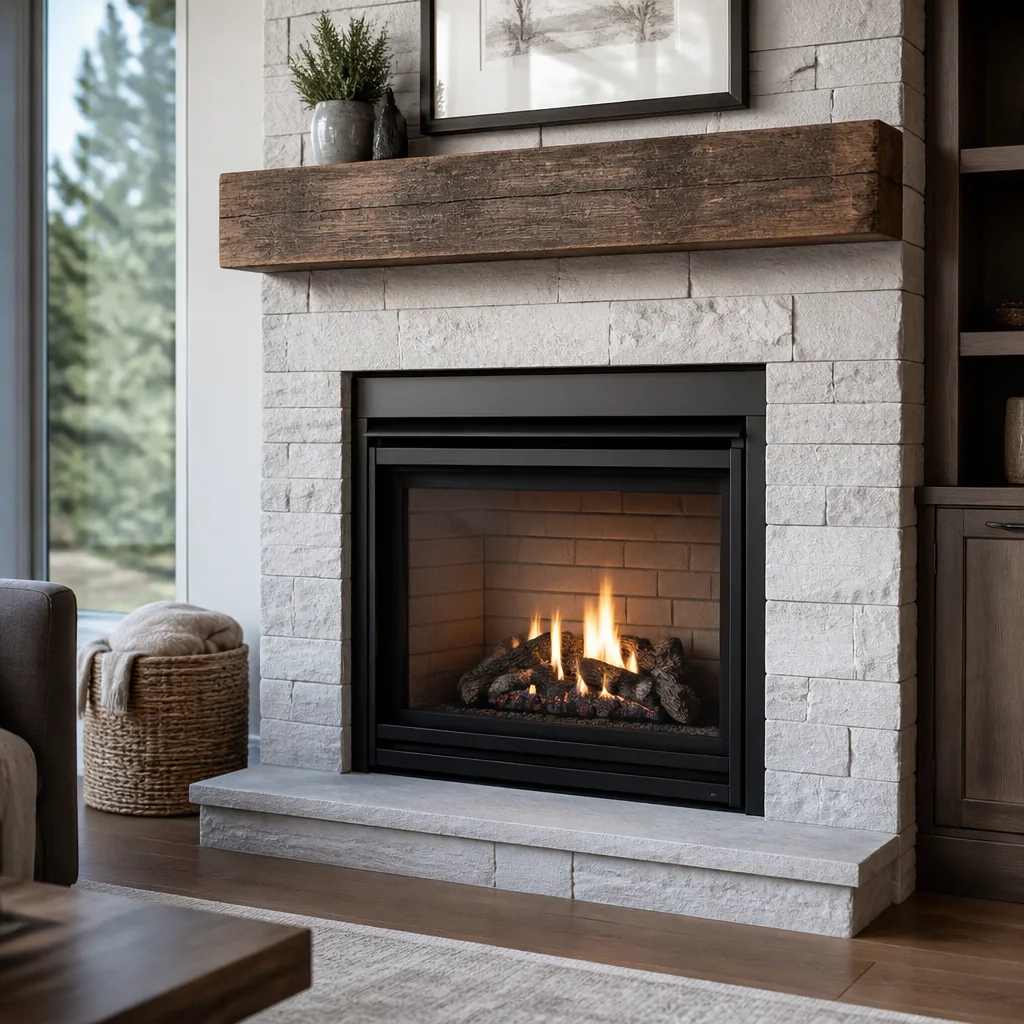 Gas fireplace service
Level 1 sweep and inspection to the NFPA 211 annual standard - flue, crown, cap, and flashing checked and photographed
Chimney sweep logs do not sweep chimneys. They loosen some creosote - which then falls where a brush and vacuum still have to collect it.
Chimney Cleaning Permits, Codes & Inspections in South Jordan, UT: What You Need to Know
Most South Jordan homeowners assume a chimney sweep and a chimney repair are the same transaction, legally speaking. They aren’t. Cleaning and maintenance sit outside the permit system entirely. The moment a technician removes a liner, rebuilds a crown, or alters firebox structure, you’ve crossed into work that Utah’s adopted residential code and the city’s building department may want to see on paper. This guide walks through where that line sits, when a Level 2 inspection becomes mandatory rather than optional, what paperwork a compliant job should leave behind, and how to verify the right permits were pulled before the work gets sealed inside your chase. It’s written for people who use their fireplace and want to understand the rules before they need them.
Quick Answer
Routine chimney cleaning in South Jordan does not require a building permit. Structural work on the chimney – liner replacement, crown rebuilds, firebox alterations, chase repairs – generally does require a permit under the residential code Utah has adopted, and a Level 2 inspection is required at property transfer and after a chimney fire or seismic event. The written estimate and the inspection report are the two documents that prove the job was done correctly.
Styles & brands we work with
- Sweep & inspection
- Caps & crowns
- Flue relining
- Masonry repair
- Gas fireplace service
Table of Contents
- Cleaning vs. Repair: Where the Permit Line Sits in South Jordan
- How South Jordan’s Jurisdiction Interacts with Utah’s Residential Code
- When a Level 2 Inspection Is Legally Required
- What Documentation a Compliant Chimney Job Should Produce
- How to Confirm Your Contractor Pulled the Right Permits
- South Jordan Climate and Housing: Why Chimney Codes Matter Here
- Permits and the Home Sale: What Buyers Find Out
- Common Mistakes to Avoid
Cleaning vs. Repair: Where the Permit Line Sits in South Jordan
The cleanest way to think about it: sweeping removes what accumulated inside an existing, unchanged chimney. Repair changes the chimney itself. South Jordan’s building department cares about the second category because alterations affect fire separation, venting, and structural attachment – things an inspector can verify before drywall, chase panels, or roofing go back on.
Here’s how the distinction usually breaks down in practice:
- No permit typically needed: brush sweeping and creosote removal, a routine inspection, cap replacement where the cap is a simple friction or screw-on unit, and minor maintenance like tightening a damper handle.
- Permit generally required: relining a flue with a new liner system, rebuilding or resurfacing a crown, altering the firebox, changing flue dimensions, replacing a prefab chimney section, structural chase repair, and any work that changes the chimney’s footprint or height.
The gray zone is liner work. Cleaning soot off an existing liner is maintenance. Spraying a HeatShield resurfacing product onto a cracked flue or dropping a DuraFlex flexible liner into an aged configuration is repair – the flue’s interior surface is being altered, and that’s the trigger. When our technicians recommend either one, we explain which category the job falls into and what it means for permits before anyone books the work. You can read more about how we approach chimney repair if you want the service-level detail.
One local wrinkle: South Jordan has a lot of newer construction alongside pockets of older housing stock, and the two carry different baseline assumptions. A 1990s build with a factory prefab fireplace has a listed chimney system whose replacement parts must match the listing. A newer custom home may have a masonry chimney with a clay tile liner. In both cases, alteration work is where the city wants a look.
How South Jordan’s Jurisdiction Interacts with Utah’s Residential Code
Utah adopts the International Residential Code statewide with amendments, and individual cities like South Jordan administer it through their own building departments. In plain terms: the code book says what a chimney has to be, and South Jordan decides whether what you built or repaired matches the book.
For chimney work, the IRC provisions that matter most cover clearances to combustibles, flue sizing relative to the appliance, chimney height above the roofline, termination caps, and the requirement that liners be continuous and listed for the application. When a permit is pulled, an inspector checks those items against the actual installation – not against a brochure.
What this means for a South Jordan homeowner:
- The city, not the contractor, has final say on whether a repair passes. A contractor who tells you permits “aren’t needed for this” is making a code interpretation on the city’s behalf.
- Materials need to be listed and labeled for the job. This is one reason we work with brands like DuraFlex and Copperfield – listed components make inspection straightforward.
- Inspections happen at defined stages. For a reline, that may mean a look before the top plate and cap go on. Scheduling matters.
- Seismic bracing and attachment details matter in Utah in a way they don’t in much of the country. Chimney tie-downs are not decorative.
None of this is exotic. It’s ordinary residential code enforcement, applied to a part of the house most people never look at. But it does mean the answer to “do I need a permit?” depends on exactly what’s being changed, which is why we itemize the scope on the written estimate before we book anything.
When a Level 2 Inspection Is Legally Required
Chimney inspections are classified in three levels, and the difference is scope. A Level 1 is a visual check of readily accessible portions during a routine sweep. A Level 2 adds access to concealed areas – typically with a camera – plus examination of the chimney’s exterior, attic, and crawlspace where reachable. A Level 3 goes further and opens concealed construction.
Most sweeps are Level 1. But there are situations where a Level 2 is required rather than suggested:
- Property transfer. When a home in South Jordan changes hands, a Level 2 inspection is the standard the transaction should include. Buyers and their inspectors increasingly ask for documentation.
- After a chimney fire. Even a small one can crack tile, warp a liner, or compromise the mortar between flue sections. A visual glance won’t find it.
- After a seismic event. Utah sits in active seismic territory. An earthquake can shift a chimney enough to open joints you can’t see from the firebox.
- After a change in fuel type or appliance. Switching from wood to gas, or installing a new insert, changes what the flue needs to handle.
- After an extended period of disuse. If the fireplace hasn’t been used in years, a camera look before lighting it is the sensible baseline.
We perform inspections as a standalone service, not as an add-on attached to a sweep. That matters because a homeowner who needs a Level 2 for a sale should be able to book exactly that, get a written report, and not be talked into work they didn’t ask for. Nothing is recommended without camera evidence you can see for yourself.
What Documentation a Compliant Chimney Job Should Produce
A well-run chimney repair leaves behind a paper trail, and that trail is worth more than most homeowners realize. When you go to sell, when an insurer asks, or when the next technician arrives, the file answers questions that would otherwise require opening the chase.
A complete job file should contain:
- The permit and the final inspection sign-off. If a permit was pulled, you get the card or the digital record showing it was closed out. Keep both.
- The written estimate and final invoice with scope. Which liner, which crown material, what was replaced. Product names matter here – “HeatShield applied to flue” or “DuraFlex reline, 6 inch” beats “chimney repair.”
- Before-and-after photos. A camera inspection report with images showing the condition found and the condition after.
- The inspection report itself, including the level performed and the date.
- Manufacturer documentation for listed components. Liner listings, cap and crown product sheets, and warranty information.
Keep that file with your home records permanently – not in a drawer that gets cleaned out, but with the deed and the appliance manuals. A South Jordan buyer’s inspector will ask about the chimney, and a documented reline from years earlier closes the question immediately. An undocumented one opens an expensive conversation.
In our experience, the documentation is also a check on the work. A technician who knows the job will be inspected photographs the flue before and after, and that habit tends to produce better work.
How to Confirm Your Contractor Pulled the Right Permits
You don’t have to take anyone’s word for it. Permit records in South Jordan are public, and confirming one takes a phone call or a lookup through the city’s building department. Here’s a sequence that works:
- Ask before booking. On the estimate, ask directly: “Does this scope require a permit, and will you pull it?” A clear yes or no with a reason is a good sign. A vague answer is not.
- Get the permit number in writing. Once the permit is issued, the number should appear on your paperwork or be texted or emailed to you. No number, no permit.
- Verify it with the city. Call South Jordan’s building department and confirm the permit exists, the address matches, and the scope on the permit matches the work being done. Scope mismatch is a common problem – a permit pulled for “cap replacement” doesn’t cover a reline.
- Confirm the inspection actually happened. A permit that was never inspected is an open item. Ask for the inspection result.
- Get the final sign-off. When the work is done, the permit should be closed. Keep the record.
Why would a contractor skip the permit? Because pulling one triggers an inspection, and an inspection is a third party looking at the work. That’s the whole point of the system, and it’s why we factor permit scope into the written estimate rather than discovering it mid-job. If you want to understand what a sweep alone involves, the chimney sweep page covers the maintenance side; permits only enter the picture once repair is on the table.
South Jordan Climate and Housing: Why Chimney Codes Matter Here
South Jordan sits in the Salt Lake Valley, which means cold winters, a long heating season, and a specific pattern of freeze-thaw cycling along the Wasatch Front. That combination is hard on masonry. Water gets into a crown or a mortar joint, freezes overnight, expands, and opens the joint a little wider. Repeat that across a winter and what started as a hairline crack becomes a route for water into the flue.
A crown is the concrete or masonry cap at the very top of the chimney, sloped to shed water. When it cracks, water runs down the flue’s exterior and soaks into the surrounding structure. That’s why crown repair is structural, not cosmetic – and why it’s permit territory when it’s rebuilt rather than patched. We install and repair caps and crowns because they protect everything below them, and the products we fit, including Gelco and Famco ventilation and cap components, are chosen for how they handle this climate.
Valley inversions add another factor. During an inversion, smoke and flue gases don’t disperse the way they do on a clear day, so a chimney that’s marginally drafting becomes noticeably worse. Homeowners in South Jordan often notice this in January and assume the fireplace is failing. Sometimes it’s a partially blocked flue that a sweep would clear. Sometimes it’s a liner that’s no longer continuous, which is repair.
The housing mix matters too. Newer subdivisions have factory-built fireplace systems with specific listed components. Older pockets of the city have masonry chimneys with clay tile. The code applies to both, but the work and the documentation look different. Knowing which you have is the first step in answering whether a permit applies.
Permits and the Home Sale: What Buyers Find Out
Here’s the scenario that catches people: a chimney was relined five years ago, no permit was pulled, and now the house is under contract. The buyer’s inspector notes the liner is newer than the chimney and asks for documentation. There isn’t any. The seller can’t retroactively pull a permit for work that was completed and sealed – the city has no way to inspect a flue that’s already been covered and capped.
What happens next is usually one of three things: the buyer asks for a credit, the buyer asks for a new inspection and the cost of whatever it finds, or the sale stalls while everyone waits. None of those are good outcomes, and all of them were preventable with one permit and one inspection at the time.
A Level 2 inspection during a South Jordan property transfer is the standard most transactions should meet, both on the selling and buying side. Buyers get a camera look at what they’re purchasing. Sellers get a document that answers the question before it’s asked. A standalone inspection report is a cheap piece of paperwork compared to a re-opened chase.
If you’re selling and the chimney hasn’t been looked at, get the inspection before the buyer’s inspector gets there. If you’re buying, ask for the documentation file. If it’s thin, that’s information worth having.
Common Mistakes to Avoid
- Assuming “no permit needed for a sweep” means no permit needed for anything. Cleaning is maintenance. Liner, crown, and firebox work are alterations. They’re governed differently, and the scope on the estimate should say which one you’re buying.
- Letting a contractor pull a permit for the wrong scope. A permit written for “cap replacement” doesn’t cover a reline. Ask the city to confirm the scope matches the work, not just that a permit exists.
- Skipping the Level 2 at a property transfer. South Jordan sales move quickly, and a camera inspection scheduled early prevents a last-week surprise. Book it as a standalone service, not as a sweep add-on.
- Treating a cracked crown as cosmetic. Along the Wasatch Front, freeze-thaw turns a hairline crack into water intrusion in a single winter. Crown work is structural protection, and a rebuild usually requires a permit.
- Throwing away the documentation. The permit card, the inspection report, the photos, and the product listings belong in your home file permanently. The next buyer will want them, and so will your insurer if it ever asks.
- Hiring a sweep who won’t do repair. If the person cleaning your chimney can’t reline it, you’re going to call a second company anyway – and the second company inherits an undocumented scope. A specialist who handles sweep, inspection, repair, fireplace work, and caps in one place keeps the paper trail intact.
- Ignoring the seismic question. Utah is earthquake country. Chimney bracing and attachment details are part of the code for a reason, and they’re easy to overlook when the only work being done is cosmetic.
See the difference
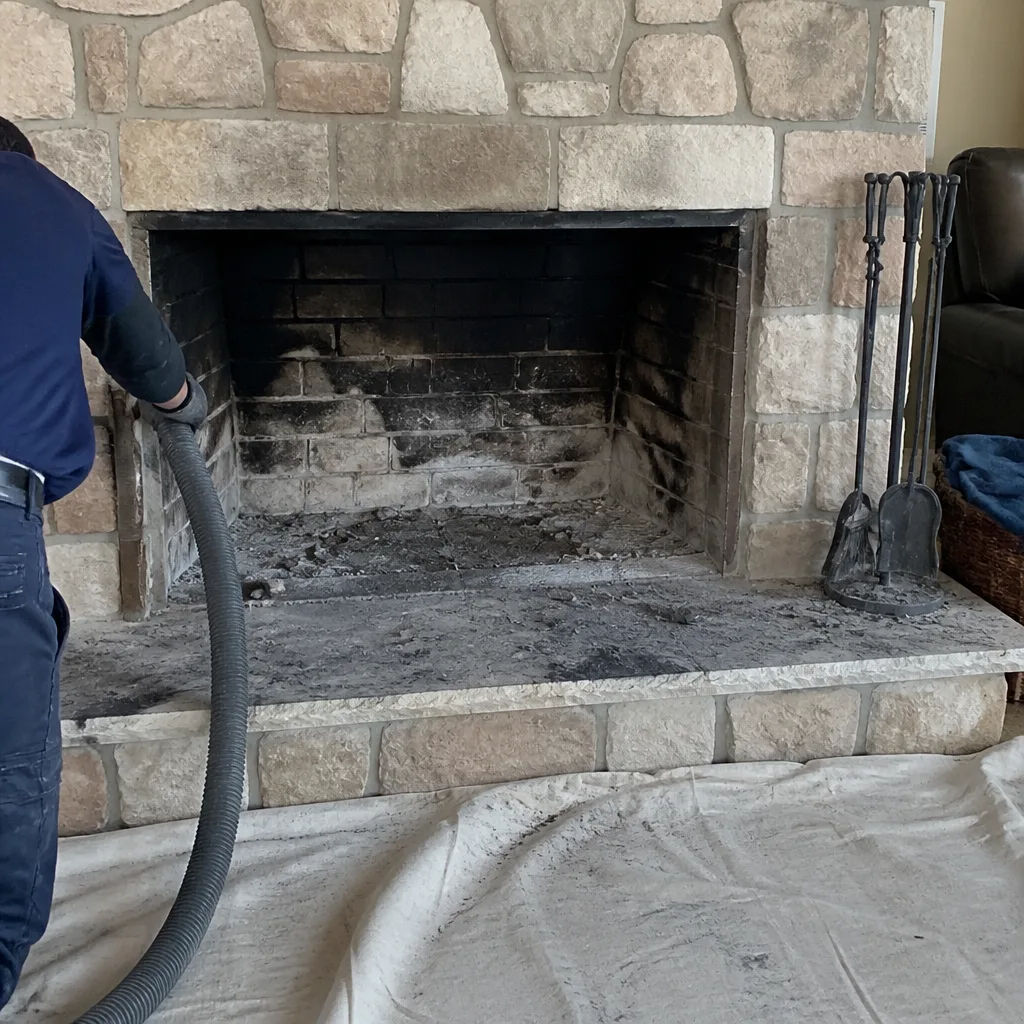 Before
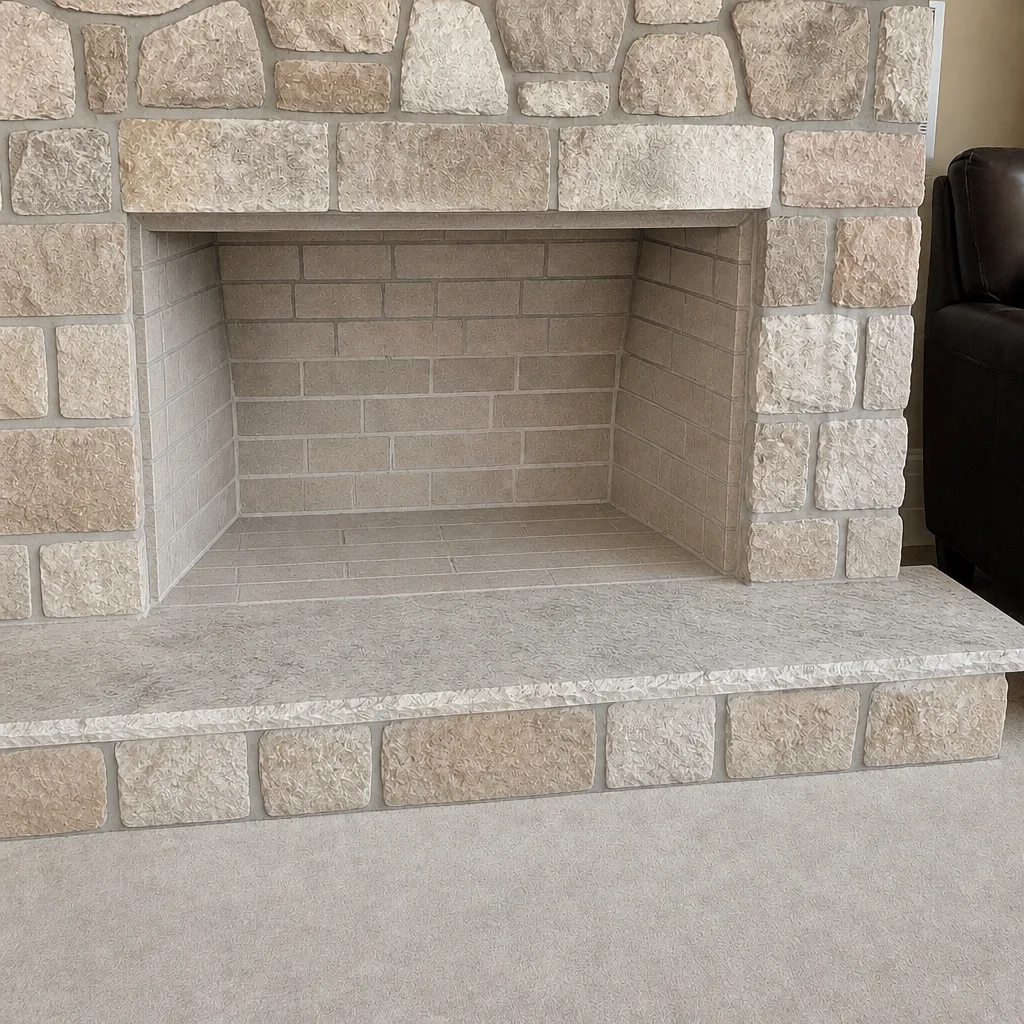 After
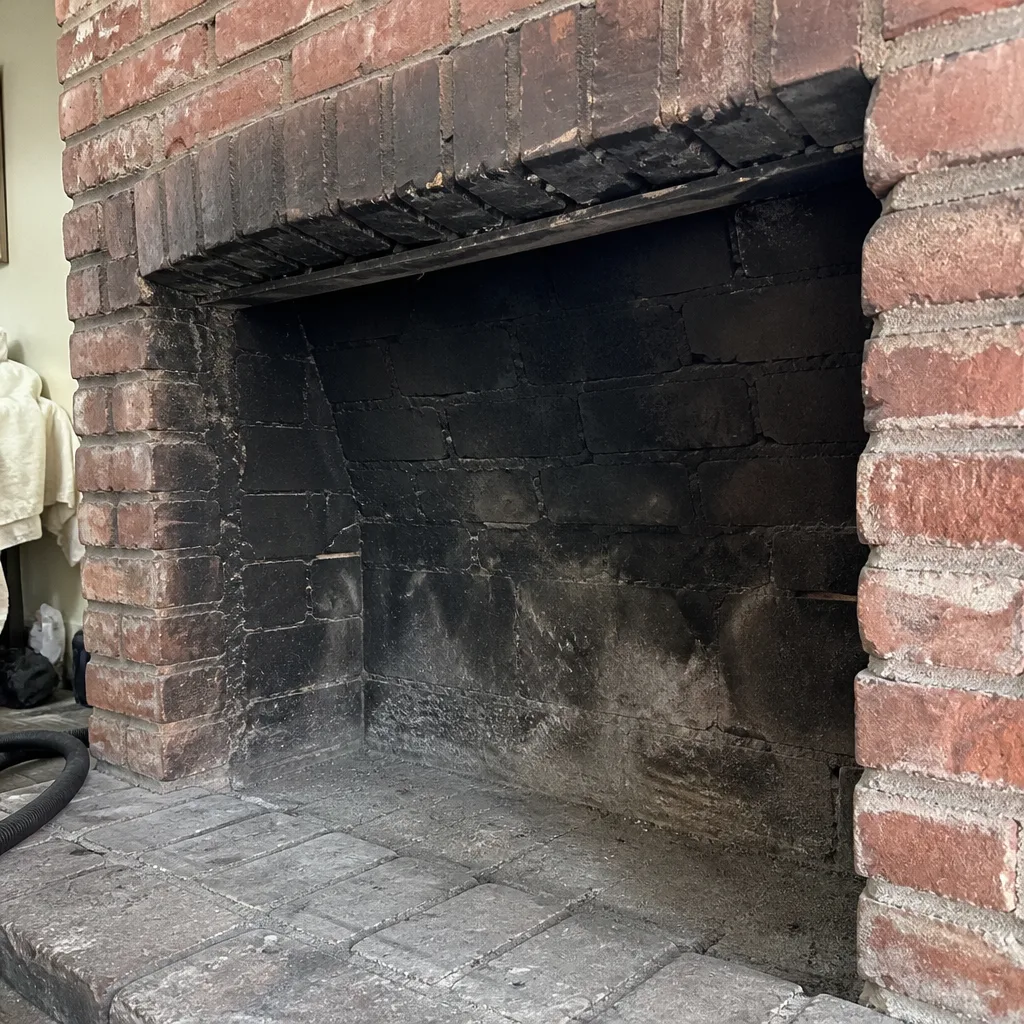 Before
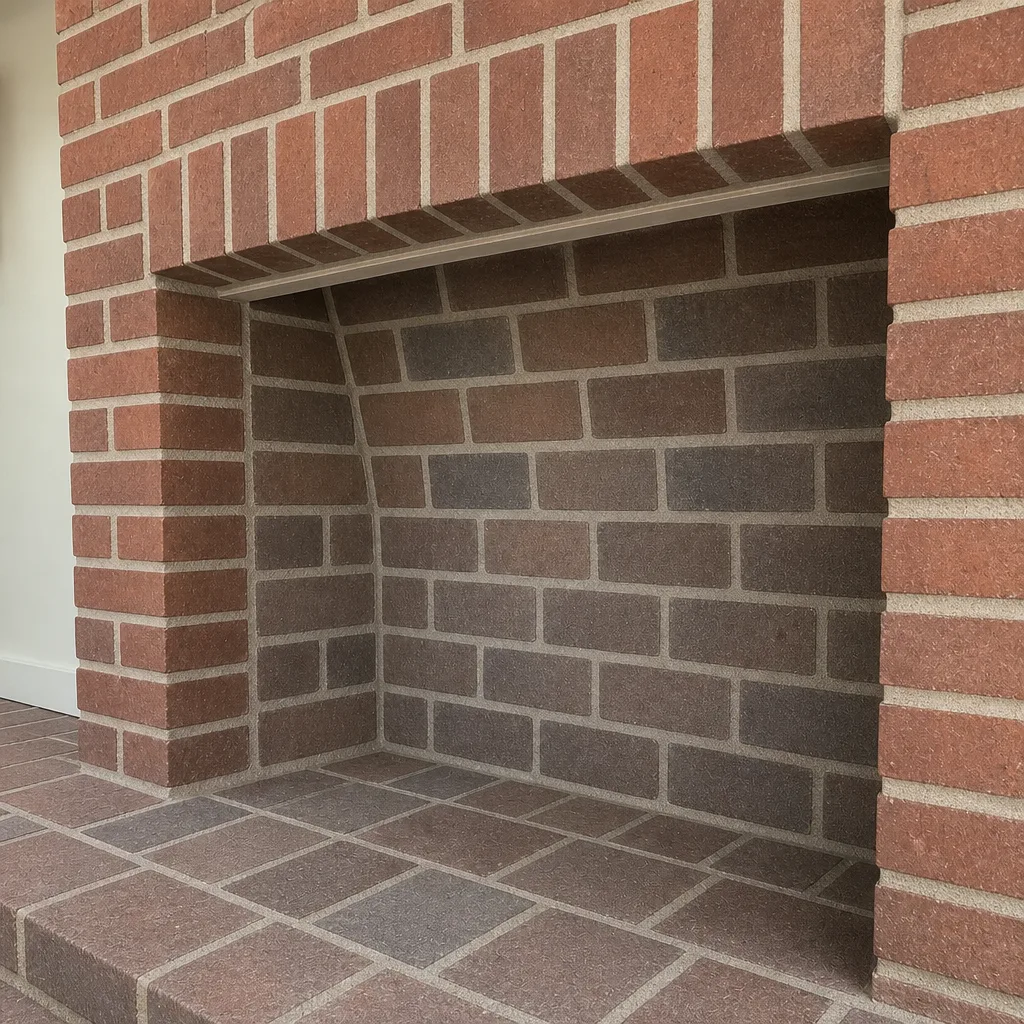 After
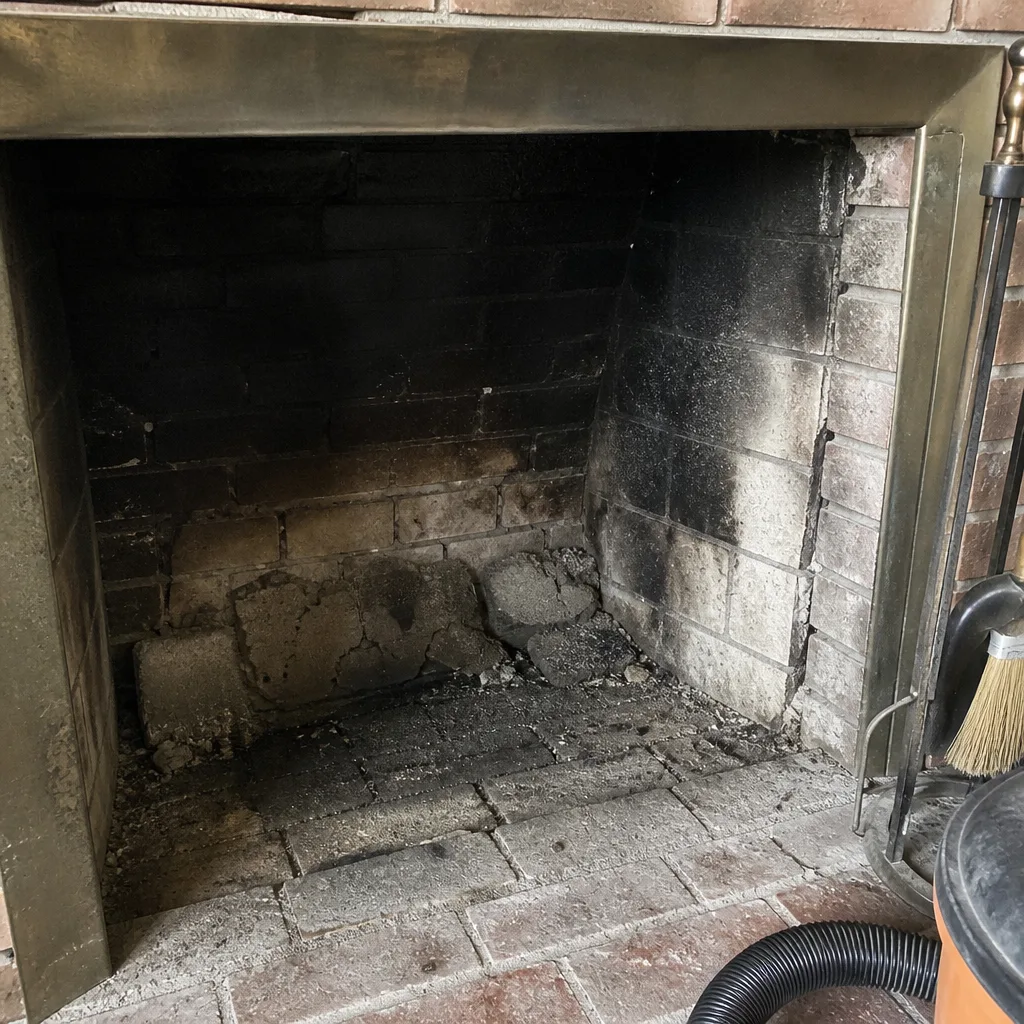 Before
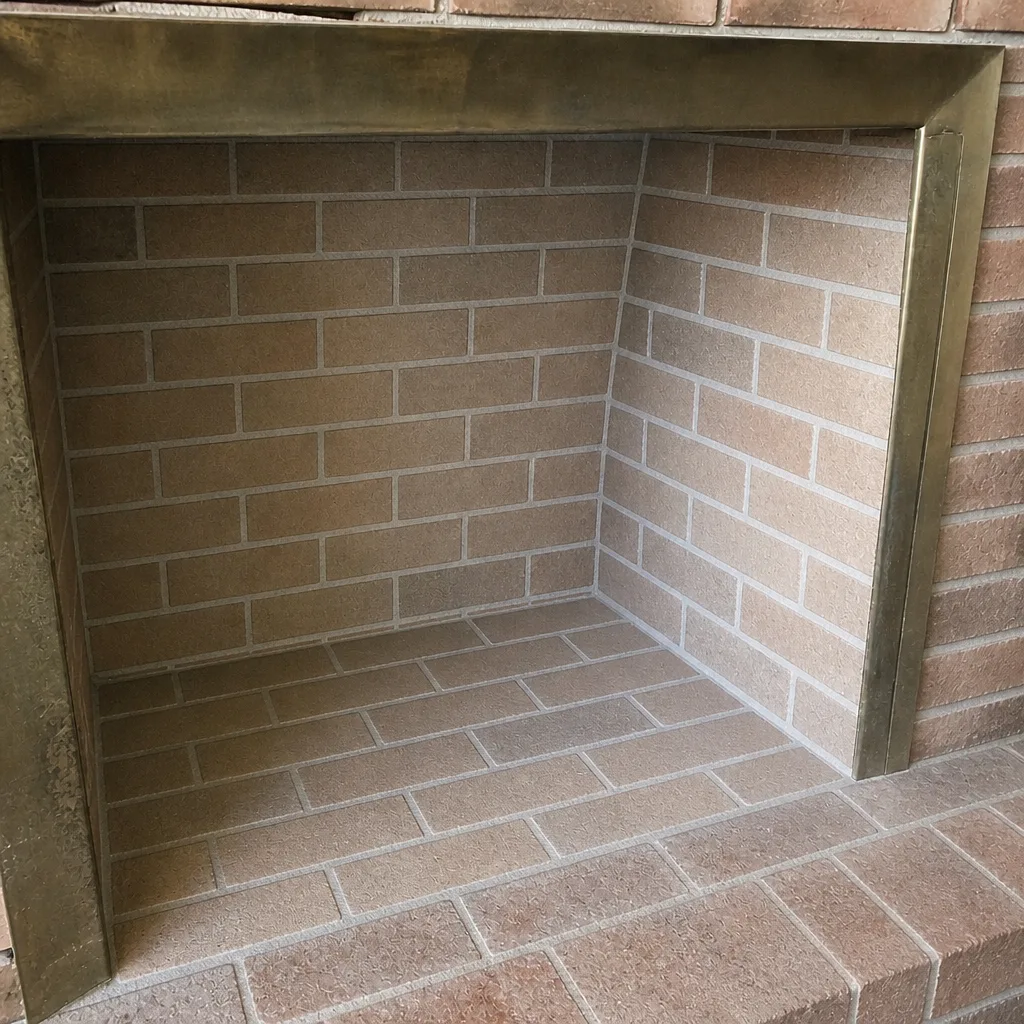 After
When to Call a Professional
Call when you’re buying or selling a home in South Jordan and the chimney hasn’t been inspected within the transaction. Call after any chimney fire, even one you think was small. Call after an earthquake you felt in the valley. Call when you see cracked or missing crown material, rust on the firebox, or staining on the chase. Call when smoke comes back into the room instead of going up. And call when you’ve bought a house and have no idea when the flue was last looked at.
These are not situations to solve with a flashlight and a guess. Flue interiors, liners, and chimney structure are concealed, and the problems that matter are the ones you can’t see from the hearth. Chimney Sweep South Jordan offers free estimates in South Jordan – call (833) 508-9471. We answer 24/7. Fast dispatch from 7am to 7pm, Sunday through Friday.
Frequently Asked Questions
No. Routine chimney cleaning and maintenance in South Jordan do not require a building permit because the chimney itself isn’t being altered. Repair and alteration work – liner replacement, crown rebuilds, firebox changes – generally does require one under the residential code Utah has adopted. When you get an estimate, ask which category the scope falls into. Call (833) 508-9471 for an exact quote – estimates are free.
Usually yes. Replacing a liner changes the flue’s interior surface and its listed components, which puts it in the alteration category rather than maintenance. Cleaning an existing liner is not permit work; resurfacing a cracked one with HeatShield or installing a new DuraFlex liner is. Confirm the permit scope with the city before work starts. Call (833) 508-9471 for an exact quote – estimates are free.
A Level 2 inspection is required at property transfer, after a chimney fire, after a seismic event, and after a change in fuel type or appliance. It includes camera access to concealed portions of the flue plus examination of accessible exterior and attic areas. South Jordan buyers’ inspectors routinely ask for this documentation. Call (833) 508-9471 for an exact quote – estimates are free.
You should receive the permit record with the final inspection sign-off, the written estimate and invoice listing specific products and scope, before-and-after photos from the camera inspection, the inspection report with the level and date, and manufacturer documentation for listed components. Keep all of it with your home records permanently. Call (833) 508-9471 for an exact quote – estimates are free.
Ask for the permit number in writing, then call South Jordan’s building department and confirm the permit exists, the address matches, and the listed scope covers the actual work. A permit pulled for a smaller scope than the job doesn’t protect you. Confirm the inspection was performed and the permit was closed out. Call (833) 508-9471 for an exact quote – estimates are free.
The buyer’s inspector will likely flag an undocumented liner or crown repair, and you cannot retroactively pull a permit for work already sealed inside the chase. That usually turns into a credit request, a demand for a new inspection, or a stalled closing. A standalone inspection and documentation before listing avoids the problem. Call (833) 508-9471 for an exact quote – estimates are free.
The Bottom Line
Cleaning your chimney in South Jordan doesn’t involve the building department. Changing it does. The line between the two is scope – what’s being removed versus what’s being altered – and it’s the single question that determines whether you’ll need a permit, an inspection, and a paperwork trail. Level 2 inspections are mandatory at property transfer and after a fire or seismic event, and the documentation they produce belongs in your home file permanently. If a contractor won’t pull a permit, ask why. If the scope on the estimate is vague, fix that before booking. South Jordan’s freeze-thaw winters and seismic reality make crown and liner work structural, not cosmetic, and the written estimate sets the final price on every job. When you’re ready to know what your chimney actually needs, Chimney Sweep South Jordan handles sweep, inspection, repair, fireplace work, and cap and crown installation with materials built for the job. Call (833) 508-9471 for a free estimate. We answer 24/7. Fast dispatch from 7am to 7pm, Sunday through Friday.
Written by the team at Chimney Sweep South Jordan.