
Last updated November 24, 2026
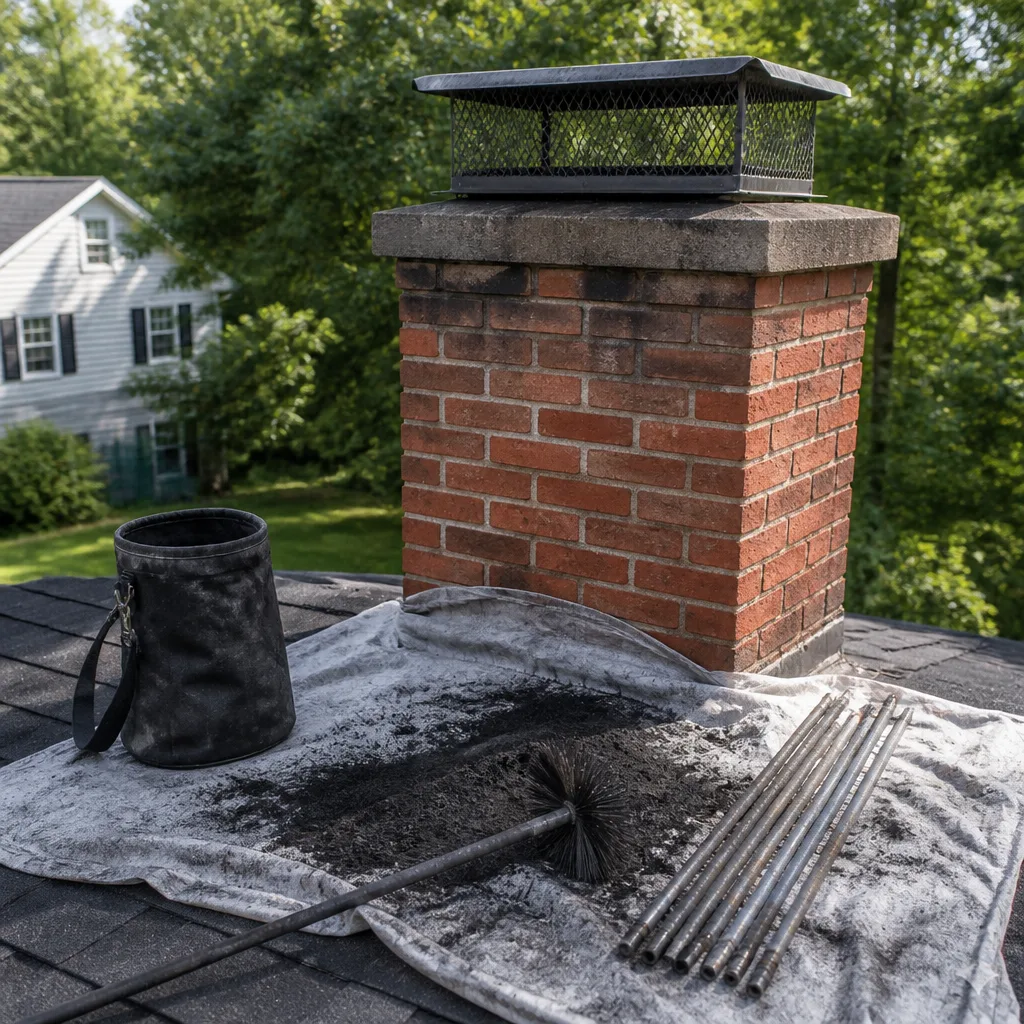 Sweep & inspection
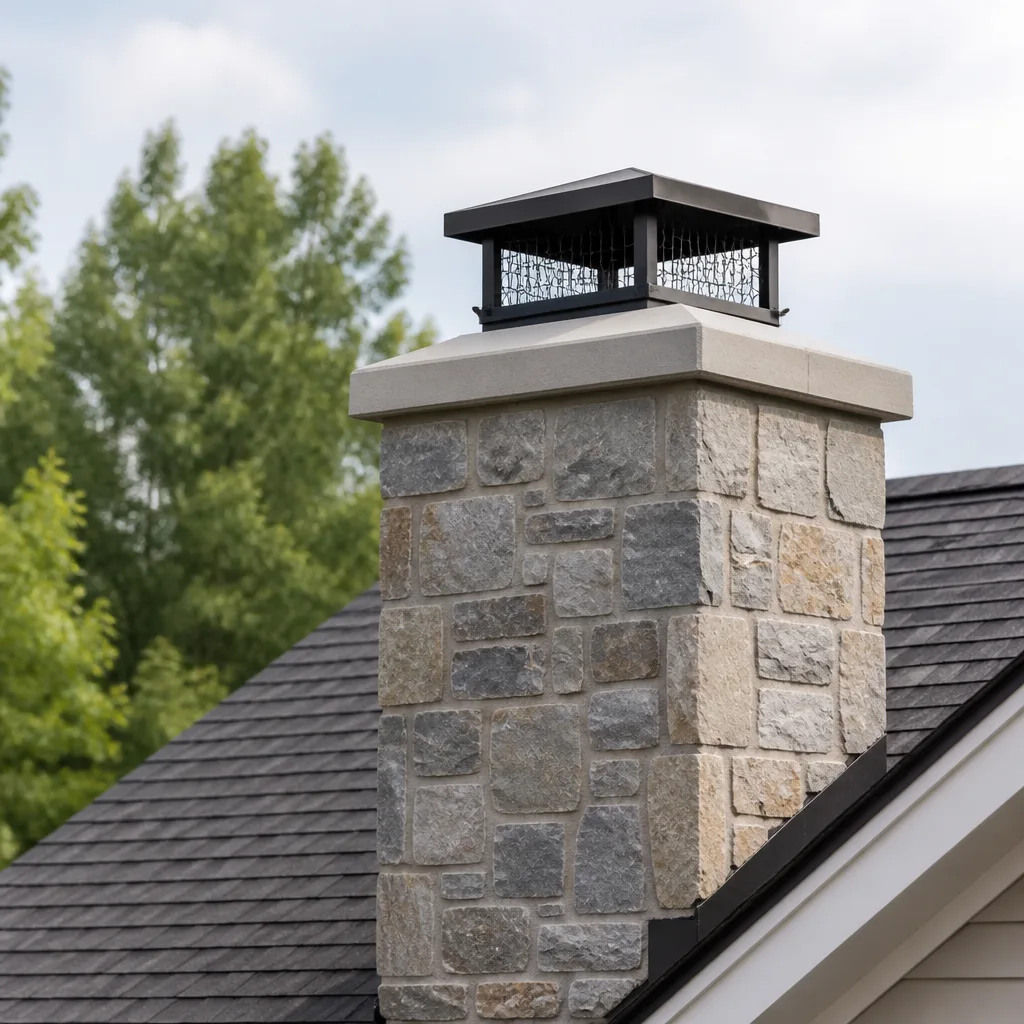 Caps & crowns
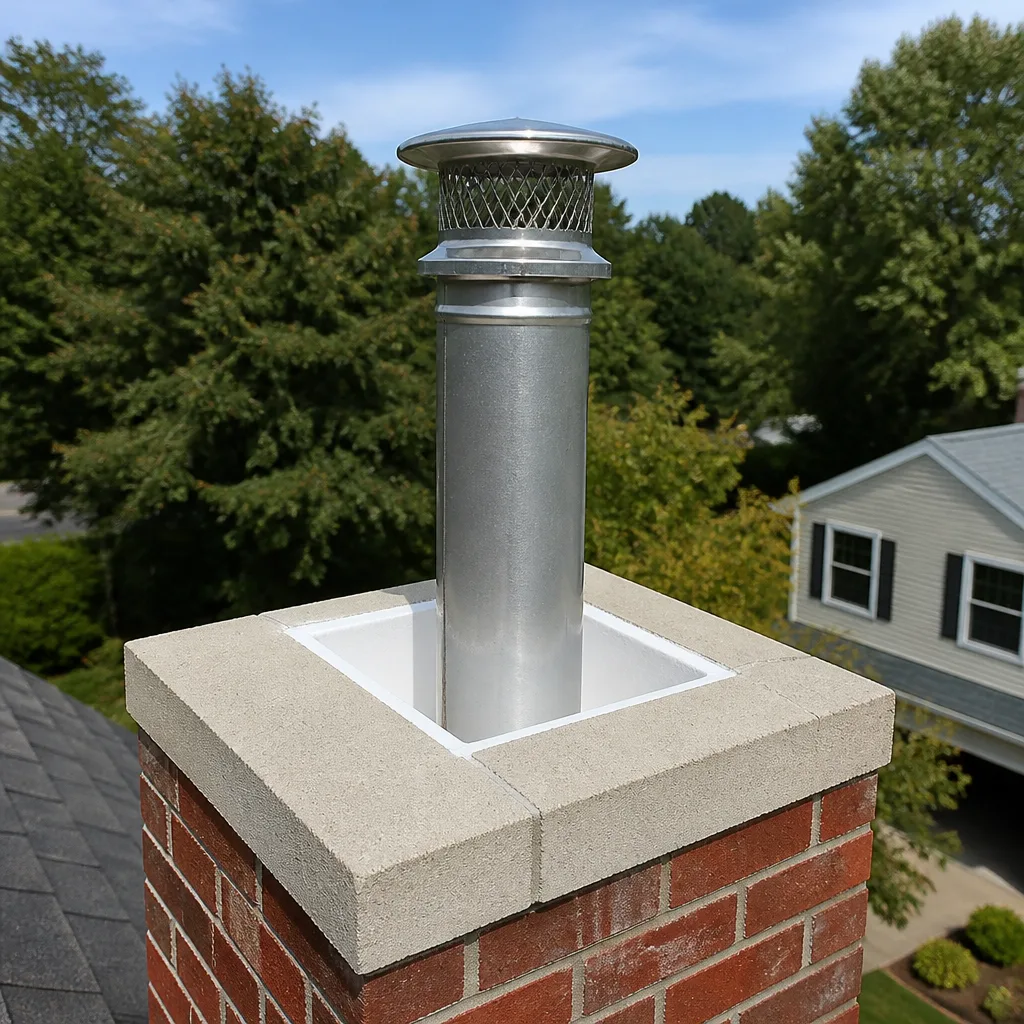 Flue relining
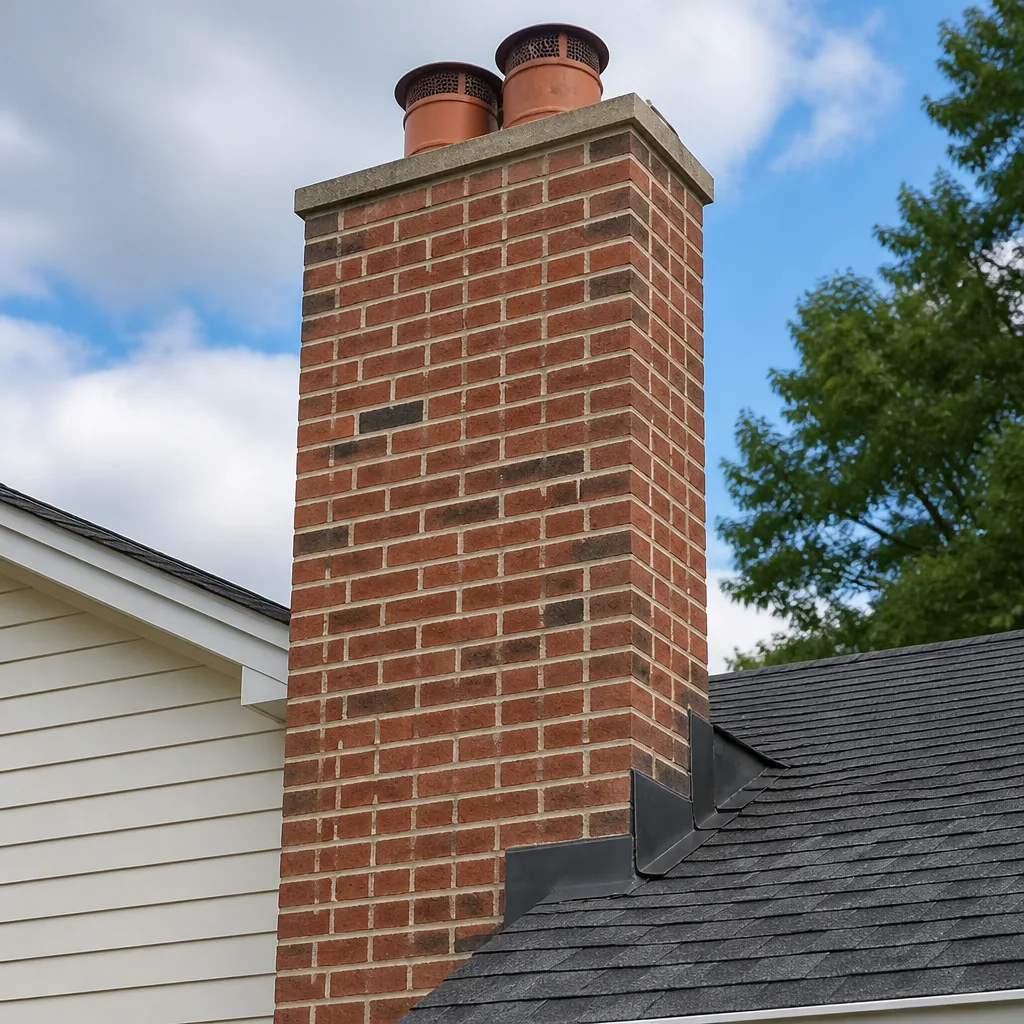 Masonry repair
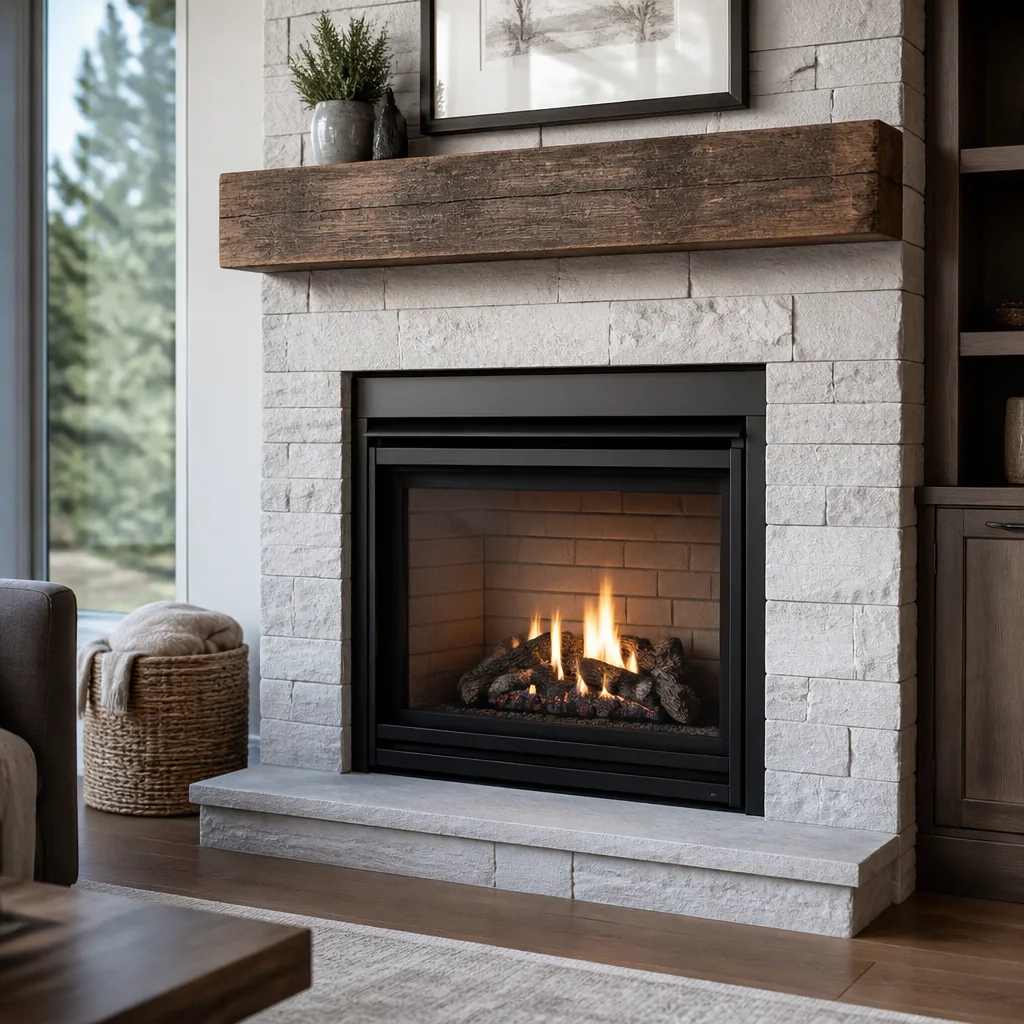 Gas fireplace service
Level 1 sweep and inspection to the NFPA 211 annual standard - flue, crown, cap, and flashing checked and photographed
Chimney sweep logs do not sweep chimneys. They loosen some creosote - which then falls where a brush and vacuum still have to collect it.
DIY vs Professional Chimney Cleaning: The South Jordan Homeowner’s Decision Guide
The chimney brush kit on the shelf at a home improvement store is built for one job: reaching the flue. It does not reach the smoke shelf. That’s the horizontal ledge just above the firebox where creosote and soot collect in thicker layers than almost anywhere else in the system, and it’s the zone most closely tied to chimney fire risk. A homeowner with a brush on a rod can make the flue look clean and leave the most vulnerable part of the chimney untouched. This guide lays out exactly which parts of a chimney you can clean yourself, which parts you physically cannot reach, what a professional sweep brings that retail tools don’t, and how to decide what’s right for your South Jordan home.
Styles & brands we work with
- Sweep & inspection
- Caps & crowns
- Flue relining
- Masonry repair
- Gas fireplace service
Quick Answer
Consumer chimney brush kits clean only the accessible straight run of the flue. They cannot reach the smoke shelf, smoke chamber, or the interior angles of the firebox, which is where creosote accumulates most heavily and where most chimney fires start. Professional cleaning covers all four zones plus a camera inspection and a written report. DIY is a reasonable interim measure for light use in some cases; it is not a substitute for a professional sweep.
Table of Contents
- What a DIY Brush Kit Actually Reaches
- What Professional Cleaning Covers That DIY Can’t
- The Tools a Certified Sweep Uses That You Can’t Buy at Retail
- The Real Cost of DIY Flue Brushing
- When DIY Is a Reasonable Interim Measure
- When DIY Creates a False Sense of Safety
- What Happens During a Professional Visit That Isn’t Cleaning
- Why South Jordan Chimneys Need Both Approaches Carefully
- Common Mistakes to Avoid
- When to Call a Professional
- Frequently Asked Questions
- The Bottom Line
What a DIY Brush Kit Actually Reaches
A basic consumer chimney brush kit consists of a stiff-bristle brush, a set of flexible fiberglass or polypropylene rods, and a hand drill adapter or a manual handle. Working from the roof or from the firebox, a homeowner can brush the straight vertical run of the flue. That’s the visible, reachable portion of the system. It is one zone out of four.
Here is what a consumer kit can typically clean effectively:
- The straight vertical flue run, top to bottom, where the brush and rod can pass unobstructed
- Light surface soot on the firebox walls that a handheld brush can reach through the firebox opening
- The damper area, in some configurations, where the brush can be angled through the firebox throat
Here is what a consumer kit cannot clean effectively, regardless of technique:
- The smoke shelf, the horizontal ledge behind the damper where soot and creosote settle in layers
- The smoke chamber, the tapered space above the smoke shelf that funnels smoke into the flue; its angled walls collect creosote and the brush can’t reach the corners
- The firebox interior corners, where masonry joints hold deposits a straight brush skips
- Offsets and elbows in the flue, which bend the brush away from the far wall
- Any flue with a liner configuration where a rigid brush damages the liner surface but still misses deposits at the seams
In our experience working on South Jordan homes, the smoke shelf is where we find the heaviest creosote on the majority of fireplaces we sweep. A homeowner who brushes the flue and calls it done may have cleaned 40 percent of the deposit surface and left the remaining 60 percent exactly where it was.
What Professional Cleaning Covers That DIY Can’t
A professional sweep addresses four distinct zones, not one. The first is the flue itself, which is where DIY overlaps. The second is the smoke chamber and smoke shelf, which is where the difference becomes safety-critical. The third is the firebox interior, including masonry joints and the firebrick face. The fourth is the damper assembly and the throat area directly above it.
Each zone is cleaned with a different tool and a different technique. The flue gets a rotary brush sized to the liner. The smoke shelf gets a hand scraper and a vacuum-assisted brush. The smoke chamber gets a scrubber with an articulated head that can reach the tapered wall angles. The firebox gets a stiff hand brush and, where masonry is involved, a scraper for deposits that have bonded to the brick.
What makes this more than a cleaning job is what the sweep can see while they’re working. When we’re up on a South Jordan roof in the fall, we see the flue from above and from inside in the same visit. We see the tile or liner joints. We see whether a cap is intact or loose. We see the crown. None of this is visible from the firebox with a brush on a rod.
Professional cleaning also includes a documented inspection. That inspection is the part of the service most homeowners underestimate. It’s the reason a professional sweep can tell you the difference between a liner that needs resurfacing with HeatShield and one that needs full replacement. A brush kit can’t tell you either.
The Tools a Certified Sweep Uses That You Can’t Buy at Retail
The tool list separates a professional sweep from a well-equipped homeowner. Consumer kits are designed for the flue only, because the flue is the only zone most homeowners realize needs cleaning. Professional equipment is designed for the entire system.
- Rotary cleaning system. A motorized whip or chain head on a flexible shaft that spins inside the flue. It removes glazed creosote deposits that a manual brush slides over. It also cleans liner surfaces evenly rather than leaving brush streaks.
- Smoke chamber scrubber. An articulated head on a long handle that can reach the angled walls of the smoke chamber. The homeowner equivalent does not exist at retail because the tool only makes sense with a sight line into the chamber.
- Inspection camera. A camera on a flexible cable that records the interior of the flue, the smoke chamber, and the firebox throat. This is what produces the photo report. It is also what catches a cracked tile or a failed liner joint that a visual sweep from the top would miss.
- Triple-filter HEPA vacuum. A vacuum with a pre-filter, secondary filter, and HEPA stage that captures fine soot particles rather than blowing them back into the room. Consumer shop vacs without HEPA filtration push soot into the air and into the home.
- Hand tools for masonry and damper work. Scrapers, wire brushes, and damper adjustment tools sized to the firebox, not the roof.
The rotary system and the camera are the two tools that separate a real cleaning from a surface brushing. We use the rotary system because glazed creosote is the highest-risk fuel in a chimney, and a manual brush does not remove it. We use the camera because the photo report is the evidence a homeowner can trust, not a verbal description of what might be wrong.
The Real Cost of DIY Flue Brushing
A consumer chimney brush kit runs somewhere in the range of $40 to $120 depending on rod length and brush quality. A drill adapter adds $20 to $40. A proper respirator mask, chimney-cleaning gloves, and a drop cloth add another $40 to $80. In other words, a homeowner can spend $100 to $240 to clean one zone of a four-zone system.
The time cost is real too. A homeowner with no experience typically spends two to four hours on the first attempt, longer if the brush binds in an offset, longer still if soot falls into the firebox and has to be cleaned out of the room afterward. A professional sweep completes the full system in roughly the same time, because the tools are sized for the job.
Pricing in the South Jordan market for a standard professional sweep in 2026 typically falls in the range of $180 to $340 depending on the number of flues, the fireplace type, and how heavy the creosote load is. A sweep that includes a camera inspection and a photo report sits at the upper end of that range. The written estimate sets the final price. We don’t quote over the phone because the flue configuration determines the work.
What the homeowner saves with DIY is the $180 to $340 sweep fee. What the homeowner skips is the smoke shelf, the smoke chamber, the firebox interior corners, the camera inspection, the photo report, and the assurance that the creosote causing the most risk has been removed. The comparison isn’t close once it’s laid out.
When DIY Is a Reasonable Interim Measure
There are honest cases where DIY brushing makes sense as a stopgap. We’re not going to pretend otherwise. The question isn’t whether DIY is ever acceptable, it’s whether DIY is replacing something or postponing something.
DIY is a reasonable interim measure in these scenarios:
- A gas fireplace insert with a metal vent. If your South Jordan home has a gas insert, the flue gas is mostly water vapor and light soot. The vent still needs periodic inspection, but a light brushing between professional visits is honest maintenance.
- Very light use. If you’ve burned a few fires in a season and the flue has visible light soot only, an annual professional sweep is still the baseline, but a mid-season light brush of the visible flue is not unreasonable before a holiday visit.
- Post-season cosmetic brushing. When the flue is already professionally clean and you’re brushing off surface soot before a party, that’s cosmetic, not safety maintenance.
- Time between booking and appointment. If your sweep is booked two weeks out and the flue is visibly heavy, a light surface brushing reduces the deposit load before the professional visit. It does not replace the visit.
What all four have in common is that professional cleaning is still happening. DIY is postponing nothing. It’s cleaning a zone the professional will also clean, in between professional cleaning visits, on a system where the harder zones are already documented as clean.
When DIY Creates a False Sense of Safety
The risk of DIY isn’t the risk of doing it wrong. The risk is doing it right on the part you can reach and assuming the rest of the system is now clean. That assumption is where chimney fires start.
Three specific scenarios where DIY brushing is actively misleading:
- You burned a season of fires on a chimney you haven’t had inspected. Brushing the flue makes the firebox look cleaner. It does nothing about the glazed creosote that may already be sitting on the smoke shelf or the smoke chamber walls. You now feel better about a system you’ve made no safer.
- You have glazed creosote in the flue. Glazed, stage-3 creosote looks like a shiny, tar-like coating. A manual brush slides over it. A homeowner running a brush up the flue and back down may see surface soot removed and assume the flue is clean while the actual fuel load is still bonded to the liner. Only a rotary system removes glazed creosote.
- You have a damaged liner you can’t see. A cracked tile or a failed liner joint is invisible from the firebox opening. A homeowner who brushes the flue and skips the camera inspection has no way to know if the liner is intact. Carbon monoxide from a compromised liner does not have a warning sign you can brush past.
In our experience, the homes most at risk are the ones where the homeowner has been brushing the flue annually for a decade and assuming that was the whole job. The deposits we find on the smoke shelf in those homes are the reason we recommend the full system every time. A chimney sweep that covers four zones is not a luxury upgrade; it’s the actual service.
What Happens During a Professional Visit That Isn’t Cleaning
Cleaning is roughly half of what happens during a professional chimney visit. The other half is documentation, measurement, and inspection. That half is the part DIY cannot replicate, and it’s the part that determines what you do about the chimney for the next year.
- Camera inspection of the flue and smoke chamber. The sweep feeds a camera up the chimney and records what the interior actually looks like. That video is shared with the homeowner. The photo report is the evidence, not a sales pitch.
- Measurement of creosote stage. Creosote is graded from stage 1 (light, flaky) through stage 3 (glazed, tar-like). The stage determines whether a standard sweep is enough or whether a chemical treatment is needed before cleaning.
- Liner condition assessment. The camera reveals cracked tiles, failed joints, and gaps. This is where the choice between resurfacing with HeatShield and full relining with a DuraFlex system becomes clear. HeatShield extends liner life in cases where the structural damage is surface-level. A DuraFlex flexible liner goes in when the flue configuration or damage requires a new liner.
- Cap and crown check. The cap protects the flue from rain, snow, and animals. The crown protects the chimney top from freeze-thaw damage, which matters in South Jordan. A loose cap or a cracked crown is a repair, not a cleaning item, but it’s documented in the same visit.
- Firebox and damper check. Masonry joints in the firebox, the damper plate, and the firebrick face are all assessed for damage. A fireplace repair or chimney repair recommendation comes from this check, and it comes with the photo evidence behind it.
This is why a standalone inspection matters as its own service, not an upsell attached to a sweep. If you’ve already cleaned your flue yourself and want to know what you missed, a standalone Chimney Sweep South Jordan inspection covers all of the above without requiring a cleaning.
Why South Jordan Chimneys Need Both Approaches Carefully
South Jordan sits in a valley where the winter air is cold and the burning season is long. Homes in neighborhoods like Daybreak, Riverbend, and the older sections east of Redwood Road burn fires throughout the cooler months, and the temperature swings between day and night create the exact conditions that produce creosote: cooler flue temperatures, slower draft, and incomplete combustion.
What that means practically is that creosote accumulates faster here than it does in warmer climates, and it accumulates in the same places regardless of the firewood quality. The smoke shelf is the first zone to load up. The smoke chamber follows. When we’re on a South Jordan roof in late fall, the smoke shelf deposits are heavier than the homeowner expects almost every time.
The freeze-thaw cycle also matters. Chimney crowns in South Jordan crack from water freezing in small mortar fissures and expanding. A cracked crown lets water into the chimney structure, and water into the masonry is a much larger repair than water on the roof. When we’re assessing a chimney in South Jordan, we check the crown and cap in the same visit as the cleaning because those are the two components most exposed to that cycle.
The housing stock adds another variable. Older South Jordan homes often have masonry chimneys with tile liners that have seen many burning seasons. Newer homes may have factory-built fireplaces with metal liners. The cleaning approach for each is different, and the inspector has to know what they’re looking at before they start. That’s another reason a professional visit starts with a look, not a brush.
Common Mistakes to Avoid
- Brushing the flue and calling it a cleaned chimney. The flue is one zone. The smoke shelf and smoke chamber are where the dangerous accumulation lives, and a consumer brush never reaches them. A homeowner who cleans only the flue has cleaned the easiest part of the system.
- Using the wrong brush on the wrong liner. A stiff wire brush on a factory-built metal liner scores the surface and shortens liner life. A brush sized for a masonry flue should not be run through a metal liner without knowing what’s inside first.
- Ignoring a glazed creosote coating. Stage-3 glazed creosote is the highest-risk deposit in any chimney. A manual brush slides over it. If the interior looks shiny after brushing, the brush has not removed the fuel load.
- Skipping the camera inspection because the flue “looked clean.” A clean surface does not mean an intact liner. Cracks, gaps, and failed joints are not visible from the firebox opening with the naked eye.
- Cleaning a South Jordan chimney in spring and not looking at the crown. The freeze-thaw cycle is the reason crowns crack here. A spring cleaning without a crown check misses the repair most likely to become urgent before the next burning season.
- Burning unseasoned wood to “clean” the chimney. Wet wood produces more creosote, not less. The only way to reduce creosote load is to burn properly seasoned wood and have the system swept regularly.
- Assuming the gas insert means the chimney doesn’t need service. A gas insert has a vent that still needs inspection, and the firebox and damper in older South Jordan homes are still part of the system. The gas insert changes the cleaning schedule; it doesn’t remove the need.
When to Call a Professional
Call a professional when the goal is knowing the system is safe, not when the goal is making the firebox look cleaner. That means a call when you’ve burned a full season and haven’t had an inspection, when the flue interior looks shiny after brushing, when you’ve moved into a South Jordan home and don’t know when the chimney was last swept, when you notice a cracked crown or loose cap, or when you smell smoke in the house on a cold start. It also means a call when you’ve been doing DIY brushing for years and want to know what the smoke shelf deposits actually look like.
Chimney Sweep South Jordan offers free estimates in South Jordan. Call (833) 508-9471. We answer 24/7. Fast dispatch from 7am to 7pm, Sunday through Friday. The estimate is written, the price is set per job, and nothing is recommended without camera evidence you can see for yourself.
Frequently Asked Questions
A standard professional sweep in South Jordan typically runs $180 to $340, depending on the number of flues, fireplace type, and creosote load. A sweep with a camera inspection and photo report sits at the upper end of that range. The written estimate sets the final price. Call (833) 508-9471 for an exact quote. Estimates are free.
You can clean the straight vertical run of the flue with a consumer brush kit, which is one of four zones that need cleaning. You cannot reach the smoke shelf, the smoke chamber, or the firebox interior corners with consumer tools, and those zones hold the heaviest creosote. DIY brushing the flue alone is not the same as a cleaned chimney. Call (833) 508-9471 to book the full system.
Most chimneys used regularly should be swept once a year, and more often if you burn heavily or notice heavy creosote buildup. The industry baseline is an annual inspection plus a sweep when the deposit level warrants it. In South Jordan’s long burning season, annual is the realistic minimum. Call (833) 508-9471 to schedule the sweep before the season starts.
Not usually. A cracked or pitted liner surface can often be restored with HeatShield resurfacing rather than full replacement, and that option extends liner life without tearing out the existing system. Full relining with a DuraFlex flexible liner is reserved for the cases where the flue configuration or damage requires a new liner. The camera inspection determines which, and the photo report shows you why. Call (833) 508-9471 for a free estimate.
Skipping the sweep leaves creosote on the smoke shelf and in the smoke chamber, and that deposit is the fuel load for a chimney fire. It also means no one has inspected the liner for cracks or the crown for freeze-thaw damage, both of which matter on a South Jordan chimney. The cost of finding a damaged liner after a fire is larger than the sweep. Call (833) 508-9471 for an exact quote. Estimates are free.
Yes. We perform chimney inspections as a standalone service, not just as an add-on to a sweep. If you’ve been doing DIY brushing and want to know what the smoke shelf and smoke chamber actually look like, a standalone inspection with a photo report gives you that answer. Call (833) 508-9471 to book one.
Rotary cleaning systems, smoke chamber scrubbers, inspection cameras, and triple-filter HEPA vacuums are the main four. Consumer kits don’t carry any of them because they’re designed for the flue only. The rotary system removes glazed creosote, the camera produces the photo report, and the smoke chamber scrubber reaches the zone a brush cannot. Each tool exists because a zone of the system needs it. Call (833) 508-9471 to see the difference on your chimney.
The Bottom Line
The DIY vs professional chimney cleaning question comes down to zones, not skill. A homeowner with a good brush kit can clean the straight flue run effectively. What a homeowner cannot clean is the smoke shelf, the smoke chamber, and the firebox interior corners, and those zones are where the most dangerous creosote collects. The professional visit covers all four zones plus a camera inspection, a measurement of the creosote stage, a liner assessment with HeatShield or DuraFlex recommendation, and a cap and crown check. In South Jordan’s long burning season and freeze-thaw winters, that full-system visit is the baseline, not the upgrade. We’re specialists in the chimney and fireplace category, working with DuraFlex, HeatShield, Gelco, Famco, and Olympus-grade materials most single-service sweepers don’t carry. Our technicians have up to 10 years of experience. From a first sweep to a full liner restoration, we handle it in one visit, and we repair what we find with materials built for the job.
Call (833) 508-9471 for a free estimate. We answer 24/7. Fast dispatch from 7am to 7pm, Sunday through Friday.
Written by the team at Chimney Sweep South Jordan.
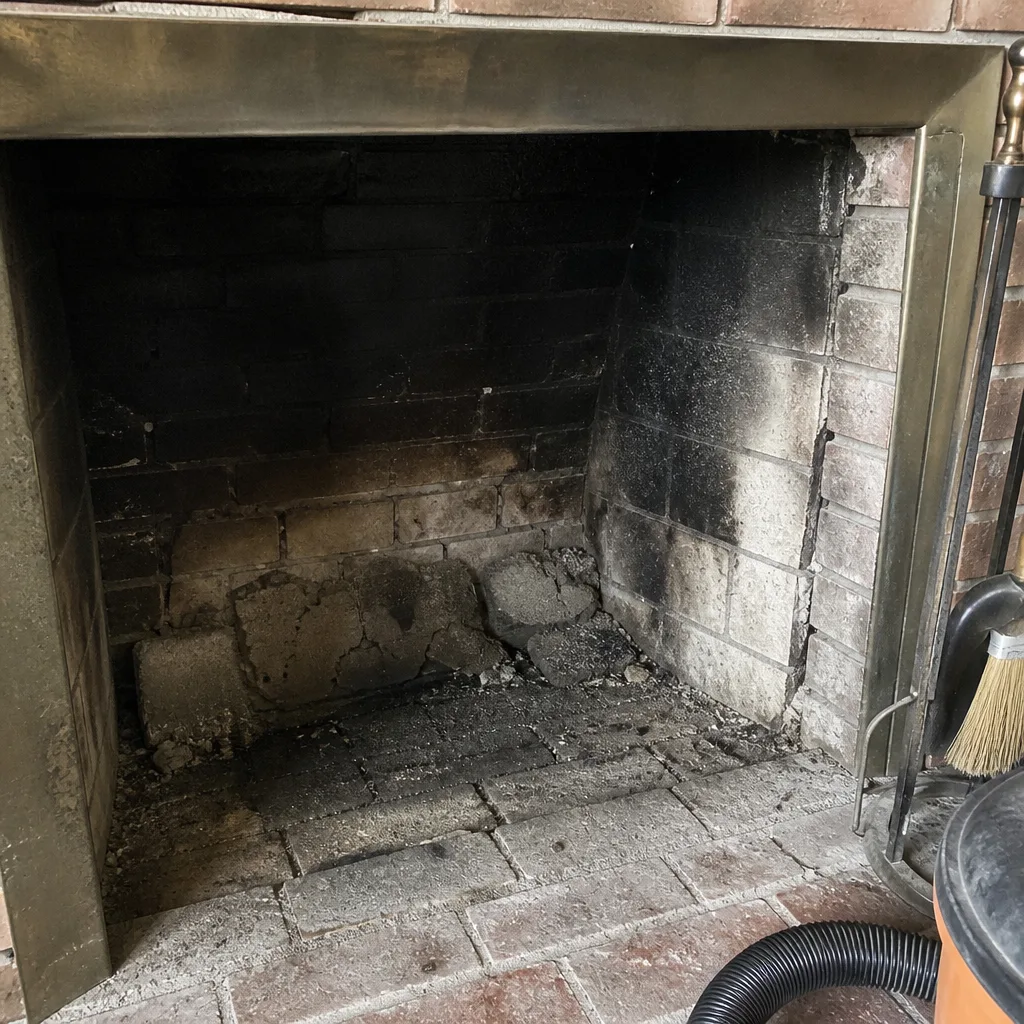
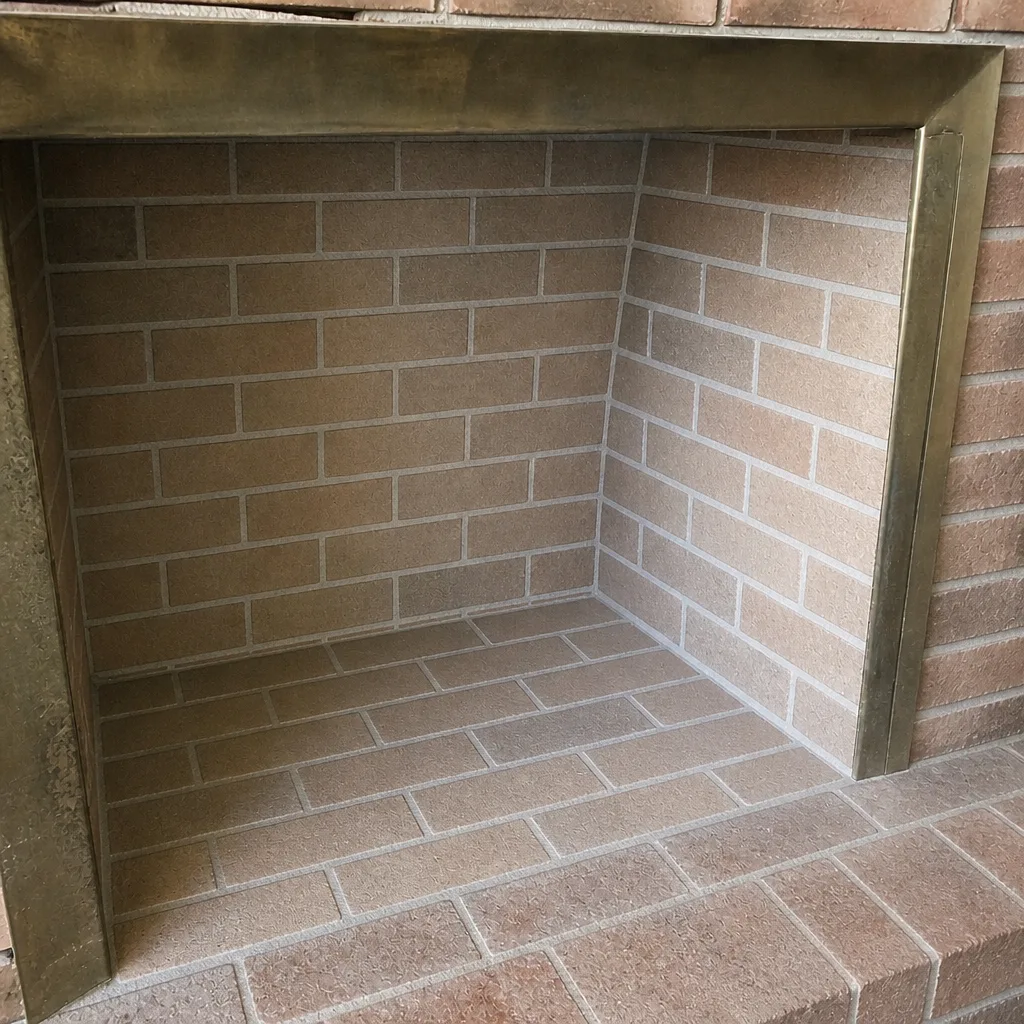
See the difference
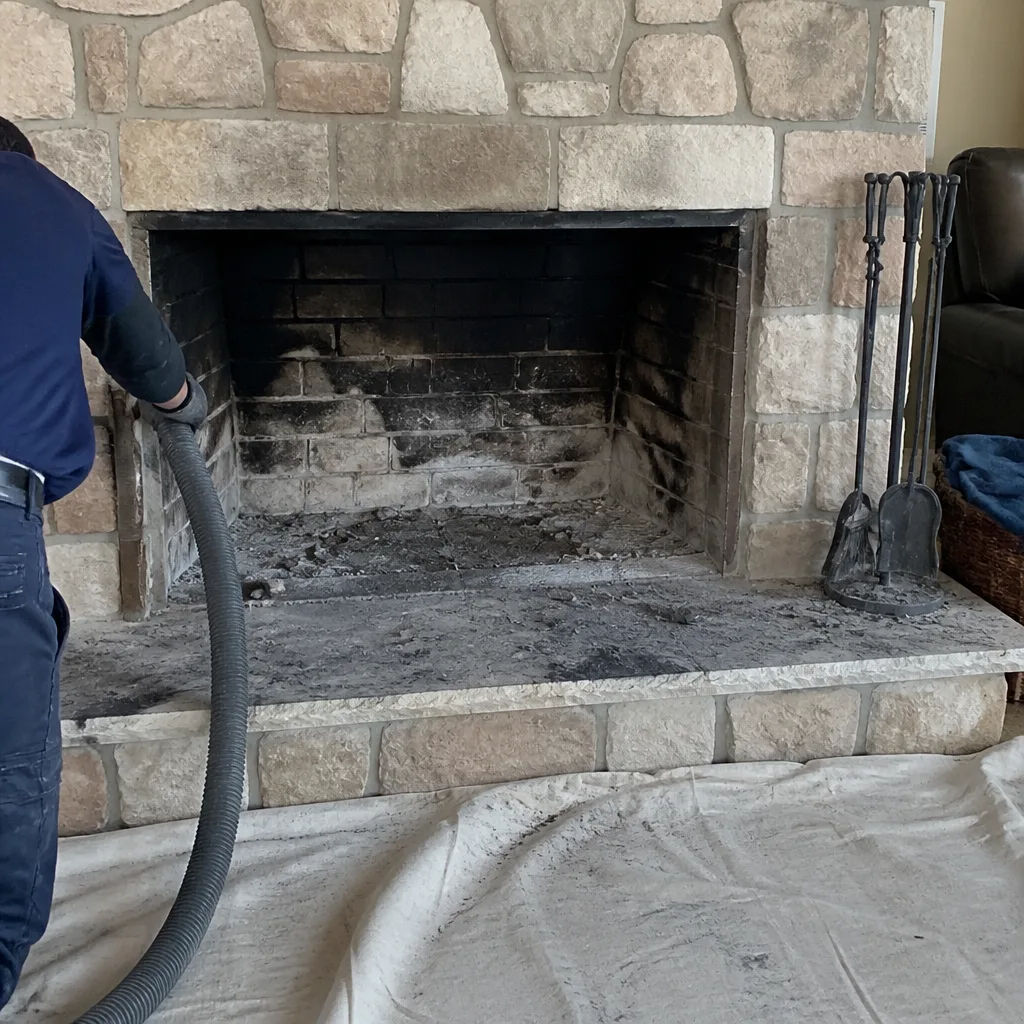 Before
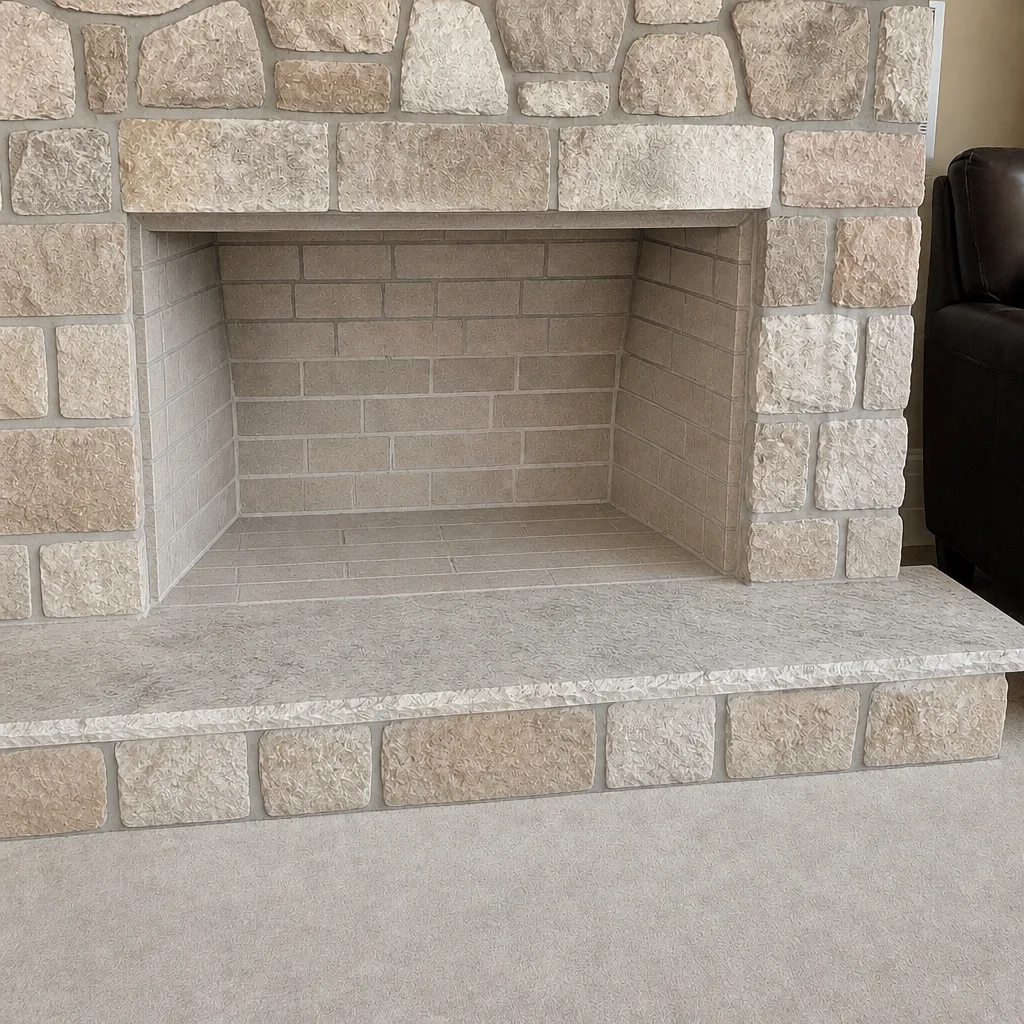 After
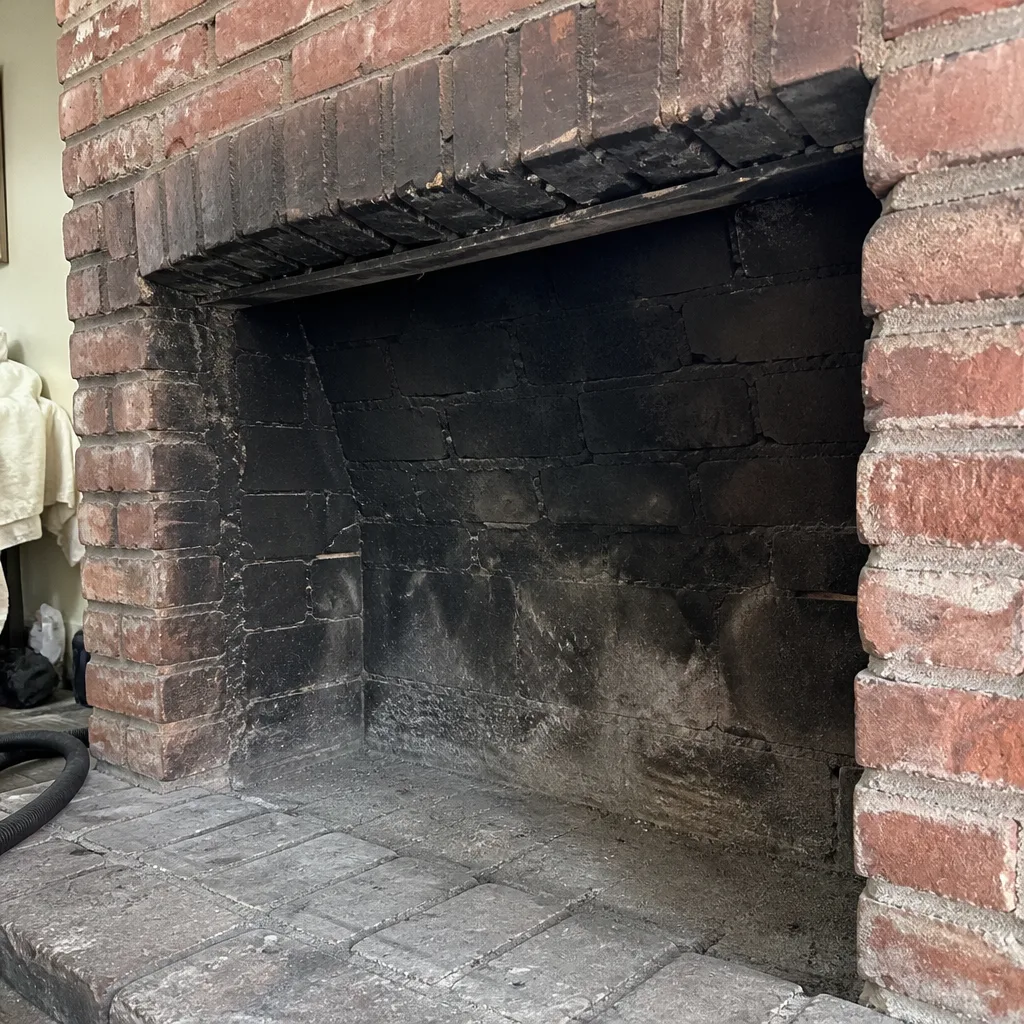 Before
 After
 Before
 After