
Last updated November 24, 2026
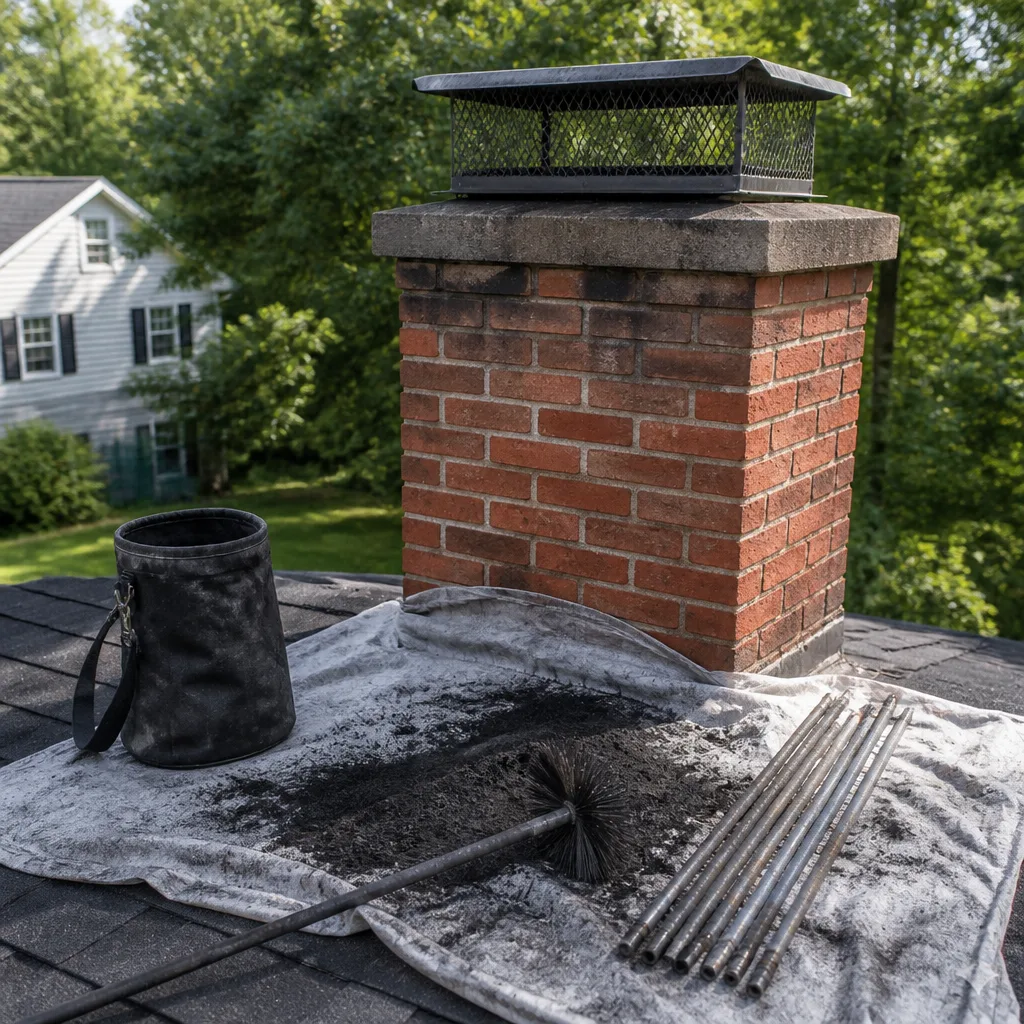 Sweep & inspection
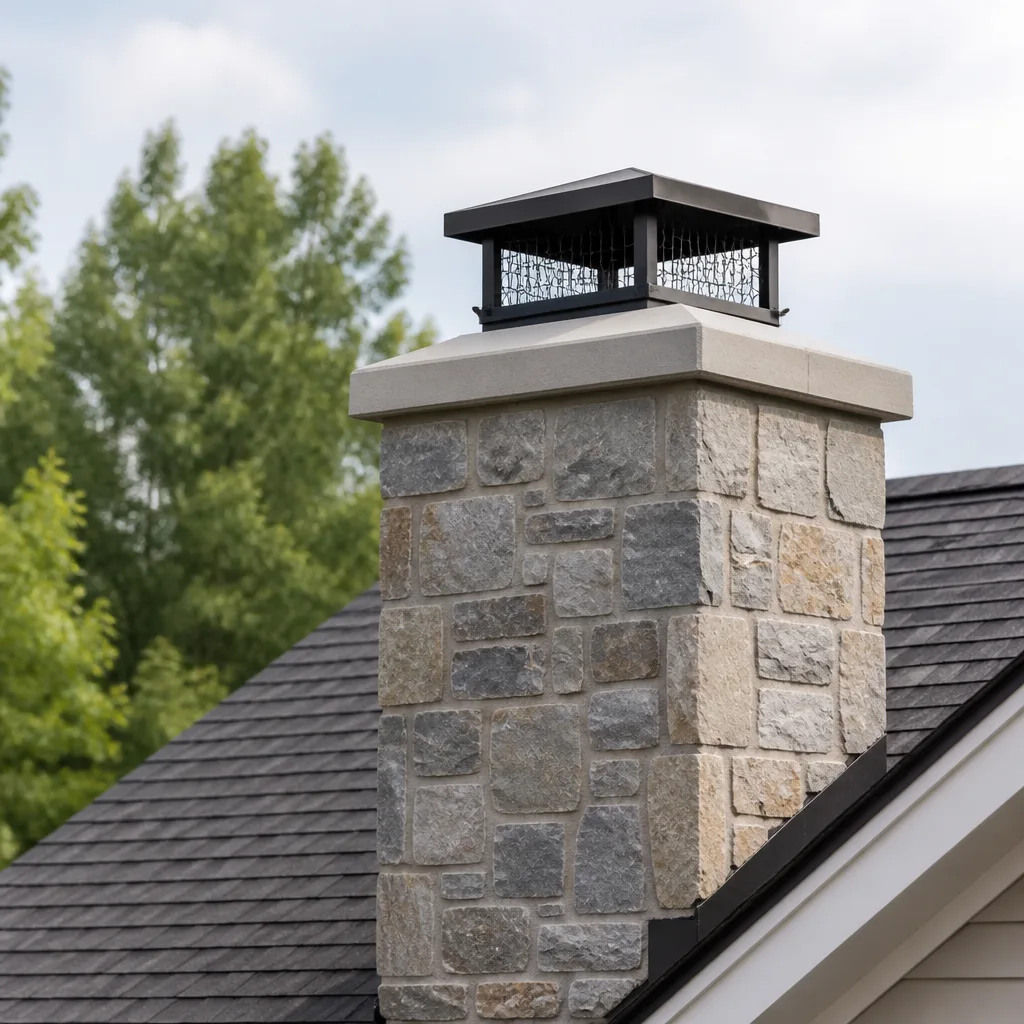 Caps & crowns
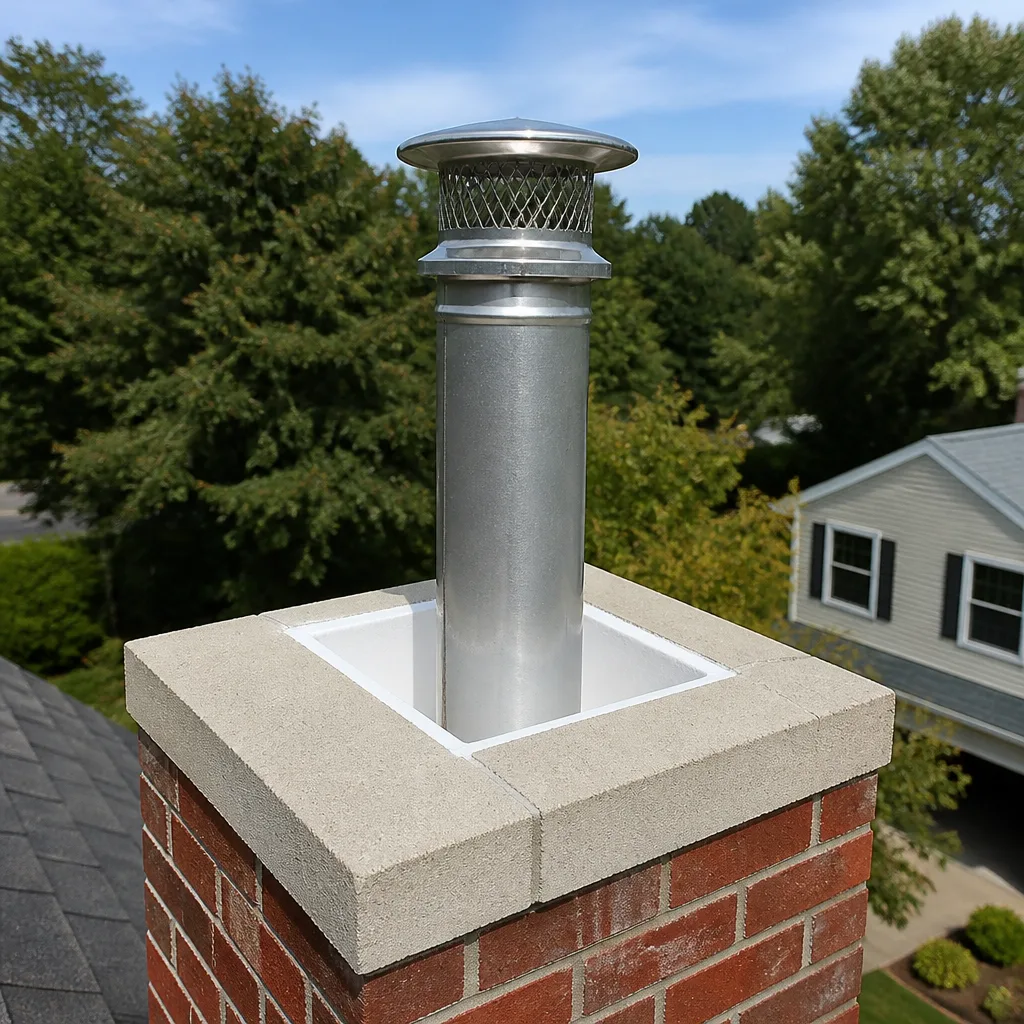 Flue relining
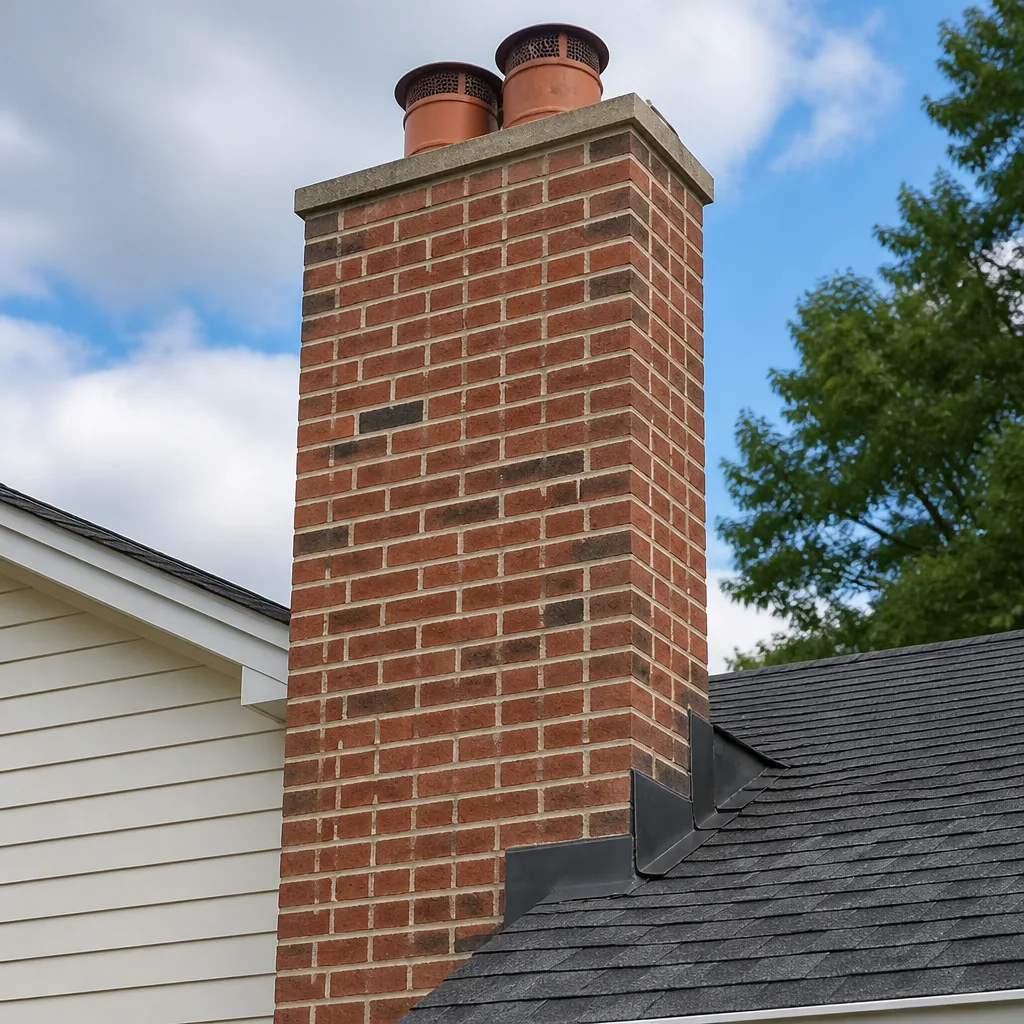 Masonry repair
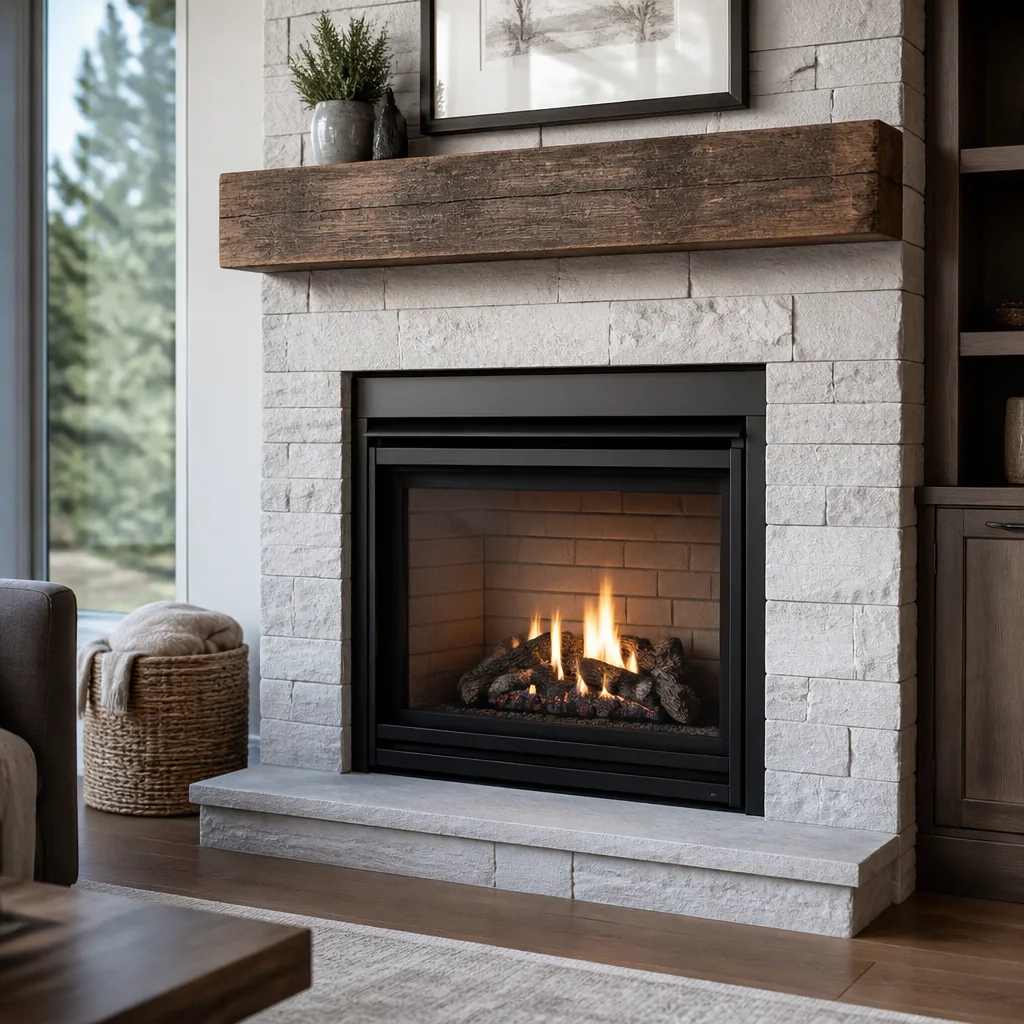 Gas fireplace service
Level 1 sweep and inspection to the NFPA 211 annual standard - flue, crown, cap, and flashing checked and photographed
Chimney sweep logs do not sweep chimneys. They loosen some creosote - which then falls where a brush and vacuum still have to collect it.
How to Hire a Chimney Cleaning Contractor in South Jordan: A Step-by-Step Guide
The biggest misconception about hiring a chimney sweep is that the price on the phone quote tells you something about the quality of the work. It doesn’t. A low bid usually means someone is planning to run a brush down the flue and skip everything that actually protects your home: the smoke chamber, the smoke shelf, the firebox interior, and the crown. In a South Jordan market where HVAC companies, handymen, and general cleaning services all offer “chimney cleaning” as a sideline, the filter that matters most is whether the technician holds a recognized credential and stocks the materials to repair what they find. This guide walks you through exactly how to check both, what to ask before you book, and what a legitimate job looks like from start to finish.
Quick Answer
To hire a chimney cleaning contractor in South Jordan, verify three credentials before booking: CSIA Certified Chimney Sweep status, NFI (National Fireplace Institute) certification if you have a gas or wood appliance, and active Utah contractor licensing through the state Division of Professional Licensing. Then ask whether the company stocks professional-grade liner and resurfacing materials (DuraFlex, HeatShield) rather than subcontracting repairs. A sweep that can’t produce a written inspection report with photos isn’t a specialist.
Styles & brands we work with
- Sweep & inspection
- Caps & crowns
- Flue relining
- Masonry repair
- Gas fireplace service
Table of Contents
- The Three Credentials That Matter in Utah
- Five Questions to Ask During a Phone Quote
- Why the Lowest Bid Often Means the Least Work
- What a Legitimate Written Inspection Report Includes
- Sweep vs. Specialist: What You’re Actually Hiring For
- Red Flags Specific to the Utah Market
- Understanding Repair Materials Before You Approve Work
- What a Chimney Sweep Costs in South Jordan
The Three Credentials That Matter in Utah
Chimney sweeping is an unlicensed trade in many states, which is exactly why the credential check is on you. In Utah, general contractor licensing through the Division of Professional Licensing (DOPL) applies to structural and repair work, but the specialty credentials that actually signal chimney competence come from two industry bodies: the Chimney Safety Institute of America (CSIA) and the National Fireplace Institute (NFI). Both are worth verifying before anyone steps onto your roof in South Jordan.
- CSIA Certified Chimney Sweep. The CSIA maintains a searchable directory of certified sweeps at csia.org. Search by ZIP code and confirm the technician’s name appears. Certification requires passing an exam and committing to a code of ethics. A company that claims certification but can’t be found in the directory is a red flag.
- NFI Certification. If you burn wood, pellets, or gas, NFI certification confirms the technician was trained on that specific appliance type. NFI maintains a separate directory searchable by specialty (wood, gas, pellet). This matters because a wood-burning fireplace and a gas insert require different service protocols.
- Utah DOPL Contractor License. For any repair work beyond cleaning (relining, crown rebuilds, masonry repair), verify the contractor’s license at dopl.utah.gov. You can search by business name or license number. Ask for the license number in writing before you sign an estimate.
How to verify each credential in five minutes
Pull up both directories on your phone while you’re on the call. Ask the person booking your appointment for the name of the technician who will actually arrive, then search that name. If the company deflects (“we’re all certified”) without naming anyone, that’s your answer. A legitimate chimney company will give you a name without hesitation.
Five Questions to Ask During a Phone Quote
The phone quote is where specialists and generalists separate. Ask these five questions verbatim, and listen for specifics. A real chimney professional answers each one without pausing; a handyman offering chimney cleaning as a sideline gets vague or changes the subject.
- “What do you use to clean the smoke chamber?” The correct answer involves a specialized tool (a smoke chamber scraper or rotary tool) plus a chemical agent if the creosote is glazed. If the answer is “a brush,” the smoke chamber won’t get cleaned, and that’s where the most hazardous buildup concentrates.
- “Do you stock HeatShield or liner materials?” A chimney specialist works with professional-grade brands like HeatShield (flue resurfacing) and DuraFlex (flexible liner systems). A generalist will say “we can order that” and then subcontract the work to someone else, meaning you’re now coordinating two contractors instead of one.
- “Will I get a written inspection report with photos?” The answer needs to be an unqualified yes. A verbal summary at the door is not an inspection report.
- “What level of inspection do you perform?” The National Fire Protection Association (NFPA) defines three inspection levels: Level 1 (visual, accessible areas), Level 2 (includes a camera scan of the flue interior), and Level 3 (diagnostic, involves opening walls or removing components). A standard annual sweep is Level 1; a real estate transaction or a change in appliance type calls for Level 2.
- “Do you service and inspect chimney caps and crowns?” Caps and crowns are structural. A company that only sweeps will tell you the crown “looks fine” when it hasn’t been examined. Ask directly whether cap and crown inspection is part of the service.
If the person on the phone can answer all five without hedging, you’re talking to a specialist. That’s the threshold.
Why the Lowest Bid Often Means the Least Work
Chimney cleaning gets priced in a range because the scope varies enormously. A quick brush-down of an accessible flue takes less time than a full service that includes smoke chamber scraping, smoke shelf cleaning, firebox interior detailing, and a camera inspection with a written report. When you see a bid that’s dramatically below every other quote you’ve gotten in South Jordan, the technician isn’t working more efficiently; they’re doing less.
The two areas where this shows up most are the smoke shelf and the firebox interior. The smoke shelf is a horizontal ledge just above the damper that traps debris and creosote over time. It’s awkward to reach, easy to skip, and a common location for dangerous buildup. The firebox interior (the walls of the firebox itself, not just the floor) accumulates soot and creosote that can contribute to chimney fires if left unaddressed. A sweep that skips both can finish in twenty minutes and still call it a “cleaning.”
How we approach this in South Jordan
Our approach starts with a camera inspection before any cleaning tool is run, because we want to see what’s actually inside the flue before we decide what the job requires. From there, the full sweep includes the firebox, smoke shelf, smoke chamber, damper, and flue. Nothing is skipped because the clock is running. If you’d like to understand what chimney sweep service actually covers, that page walks through each stage in detail.
What a Legitimate Written Inspection Report Includes
A written inspection report is the single most valuable thing you’ll receive from a chimney company, because it’s what you’ll use to make decisions for the next twelve months. A vague verbal summary at the door (“you’re fine, see you next year”) tells you nothing and can’t be referenced later if a problem develops. Here’s what a real report should contain.
- Photographs of every flue and firebox. Not one photo of the cap; photos of the flue interior from the camera scan, the smoke chamber, the firebox, the damper, and the crown.
- The inspection level performed. State whether it was a Level 1, 2, or 3 inspection.
- A written description of conditions found. Including any creosote stage (Stage 1, 2, or 3), liner cracking, crown issues, cap condition, and damper function.
- Recommendations separated by urgency. Work that should be done now, work that can wait until next season, and observations for tracking.
- The technician’s credentials. CSIA certification number and NFI certification if applicable.
Ask to keep a copy of the report even if you don’t schedule any repair work. A reputable contractor will provide it as part of the service, not as an optional add-on. If a company insists the report is only available if you book additional work, walk away.
A chimney inspection isn’t a sales pitch, it’s a safety baseline. When we inspect a chimney in South Jordan, the report is yours regardless of whether you hire us for the repair.
Sweep vs. Specialist: What You’re Actually Hiring For
The cheapest chimney cleaning in South Jordan usually comes from someone who sweeps your chimney on the way to their next job. The specialist you actually want does five things: sweeping, inspection, chimney repair, fireplace repair, and cap and crown work. Those five categories are connected, and problems in one show up in the others. A company that only handles the first one sends you shopping again the moment the inspection finds something.
Here’s what each category actually covers, so you can tell what you’re being quoted for:
- Chimney sweeping: Removal of soot and creosote from the firebox, smoke shelf, smoke chamber, damper, and flue. Should include a camera scan and written report.
- Chimney inspection: A standalone service, not just a side note on the sweep invoice. Should be offered at any of the three NFPA levels and delivered in writing.
- Chimney repair: Covers crown rebuilds, masonry repointing, flue relining with a flexible system like DuraFlex, and flue resurfacing with HeatShield.
- Fireplace repair: Damper repair, firebox repair, insert service, and finishing. See our fireplace repair page for the specific scope.
- Cap and crown: Installation, replacement, and repair of chimney caps (animal and rain exclusion) and crowns (the concrete top that sheds water away from the flue). Famco and Gelco are both brands we work with for cap and ventilation products.
When all five categories are available from one company, you make one call instead of three, and the person who sweeps your chimney is the person who’ll do the repair if one is needed. That continuity matters: they’ve already seen the flue, taken the photos, and know its history.
Red Flags Specific to the Utah Market
Utah’s fall chimney cleaning season attracts crews that aren’t from Utah. They set up in September and October, quote aggressively, sweep what they can, and leave before the first snow. If a repair fails in January, there’s no one to honor a warranty on it. This is a real pattern in the South Jordan market, and it’s worth knowing how to spot it.
- No local address or listed phone number. A legitimate local company lists a street address and a phone number that rings to the same place every time you call.
- No verifiable CSIA or NFI certification. Seasonal crews rarely maintain certification because it requires ongoing education.
- Verbal-only estimates. If they won’t put the price and the scope in writing, they’re planning to redefine the scope once they’re on the roof.
- High-pressure upsells on the roof. “Your liner is shot and we need to do it today” is a common tactic. A real inspector shows you the camera image and gives you a written recommendation you can take time with.
- “We’re working in the neighborhood today” outreach. Legitimate chimney companies don’t go door to door soliciting work.
- No written warranty on repairs. Ask for the warranty terms in writing before you approve any work.
Utah’s dry summers and cold, snowy winters are hard on chimney components. Crowns crack from freeze-thaw cycles, mortar joints erode, and caps take a beating from wind and snow load. That makes local follow-up important: a repair done in October needs someone in South Jordan to check it in the spring if anything looks off.
Understanding Repair Materials Before You Approve Work
When an inspection finds a problem, the shift from cleaning to repair is where most of the money gets spent and where the hiring filter matters most. A company that doesn’t stock professional materials will either subcontract the work or recommend replacement when repair is possible. Knowing which materials exist, and what each one does, lets you evaluate a repair recommendation honestly.
DuraFlex flexible liner systems
When a masonry flue has cracked or deteriorated beyond what resurfacing can address, a flexible stainless steel liner is the standard fix. DuraFlex is a flexible liner system designed for complex, offset, or aged flue configurations that rigid liners can’t navigate. It’s the material of choice when the flue path isn’t a straight shot. An inspector who recommends relining should be able to show you the flue condition that requires it and specify the liner material in the written estimate.
HeatShield flue resurfacing
HeatShield is a resurfacing product for cracked clay flue liners. It’s applied as a paste, formed to the inside of the flue, and cured to create a smooth, sealed surface. It’s used when the liner is cracked but structurally sound enough to hold the resurfacing, and it’s significantly less expensive than full relining. Many sweep-only companies don’t offer it because they don’t stock it. If your inspection finds hairline cracks in a clay liner, ask directly whether HeatShield is an option before you accept a full relining quote.
Caps, crowns, and ventilation products
A chimney cap keeps rain, snow, animals, and debris out of the flue. A crown is the concrete surface at the top of the chimney that sheds water away from the flue opening. Both are structural protection, not cosmetic. Famco and Gelco both make cap and ventilation products used on residential chimneys; Olympia Chimney and Copperfield are also part of the professional materials landscape. If a company tells you the cap “isn’t important,” they don’t do cap work. Find someone who does.
For a deeper look at what a chimney repair estimate should include, that page breaks down the scope item by item.
What a Chimney Sweep Costs in South Jordan
Chimney cleaning in South Jordan typically runs in a range that depends on the scope of the service: a basic sweep is at one end, and a full service with camera inspection, smoke chamber cleaning, and a written report is at the other. The lowest quotes in the market are usually the narrowest scope. Ask what’s included before you compare prices, because two quotes for the “same” service rarely cover the same work.
Repair pricing depends on what the inspection finds, and it’s set per job by a written estimate after the technician has actually seen the chimney. That’s the honest way to price repair: an inspector can’t quote a crown rebuild or a relining accurately over the phone without knowing what’s going on inside the flue. What you should expect from a legitimate company is this: the estimate is free, the price is set per job in writing, and nothing gets recommended that isn’t backed by camera evidence you can see.
What to expect from a quote
- A written scope of work that lists every component being serviced (firebox, smoke shelf, smoke chamber, flue, damper, cap, crown).
- The inspection level being performed.
- Photos of the conditions found.
- A separate line item for any repair recommended, with the material specified (HeatShield vs. DuraFlex vs. masonry repair).
- The written estimate is the price. There’s no surprise upcharge once work begins.
Common Mistakes to Avoid
- Booking purely on price. The lowest quote is usually the narrowest scope. Ask what’s included before you compare, because a $99 sweep and a full-service sweep are reporting on very different things.
- Accepting a verbal inspection summary. A verbal summary protects no one. Insist on a written report with photos before anyone leaves.
- Hiring an HVAC tech for chimney cleaning. HVAC companies service heating systems; they don’t typically carry the tools for smoke chamber scraping or the materials for relining. Different specialty, different training.
- Approving a full reline without asking about HeatShield first. HeatShield resurfacing can extend a liner’s life when cracking is present but the liner is structurally sound. A reline is a bigger, costlier job; ask whether resurfacing is an option before you commit.
- Skipping the annual inspection because the fireplace “works fine.” Chimneys don’t announce problems. Creosote buildup, hairline liner cracks, and crown deterioration happen gradually, and the annual inspection is where they’re caught.
- Hiring a seasonal crew in October without checking local follow-up. Utah’s fall chimney season attracts out-of-state companies. If they can’t come back in the spring to honor a warranty, the warranty isn’t worth much.
- Ignoring the cap and crown. These aren’t decorative. A failed crown lets water into the masonry; a missing cap lets animals and debris into the flue. Both are structural and both belong on the inspection report.
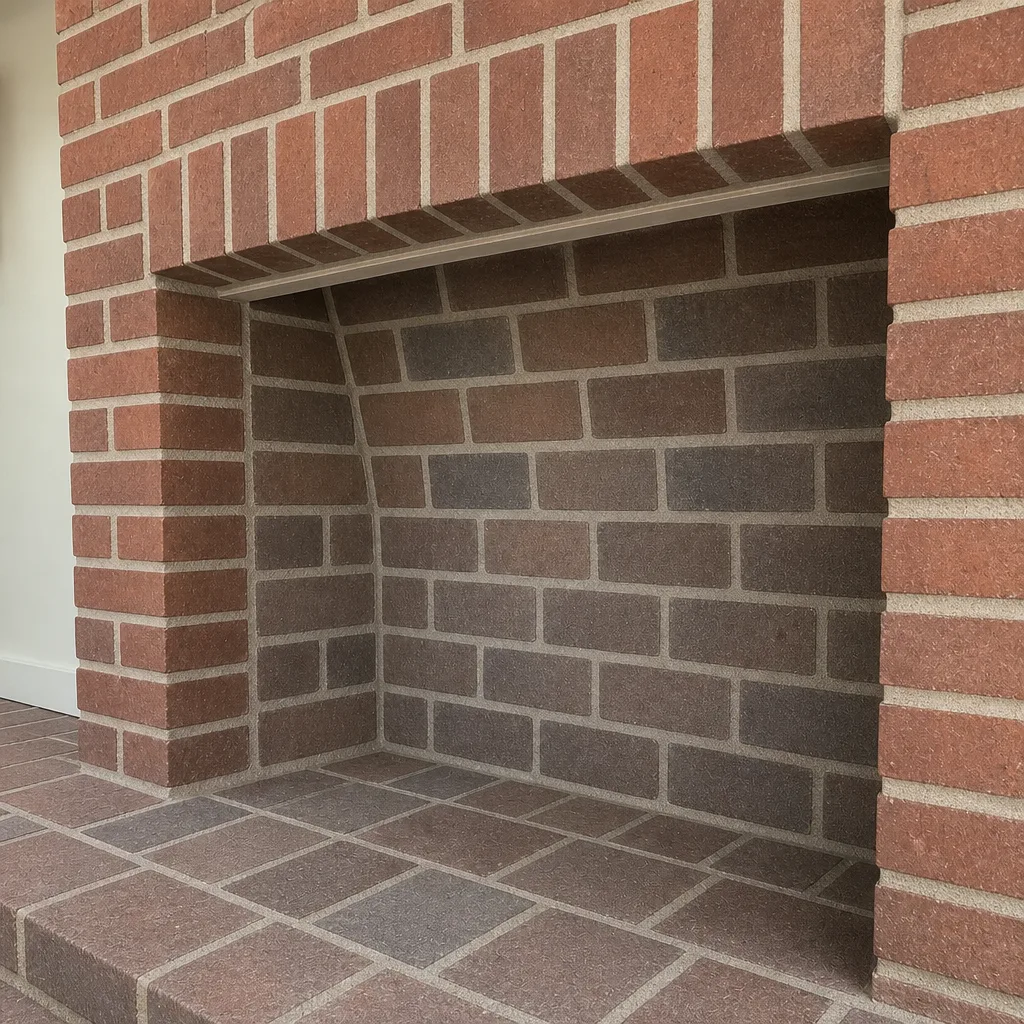
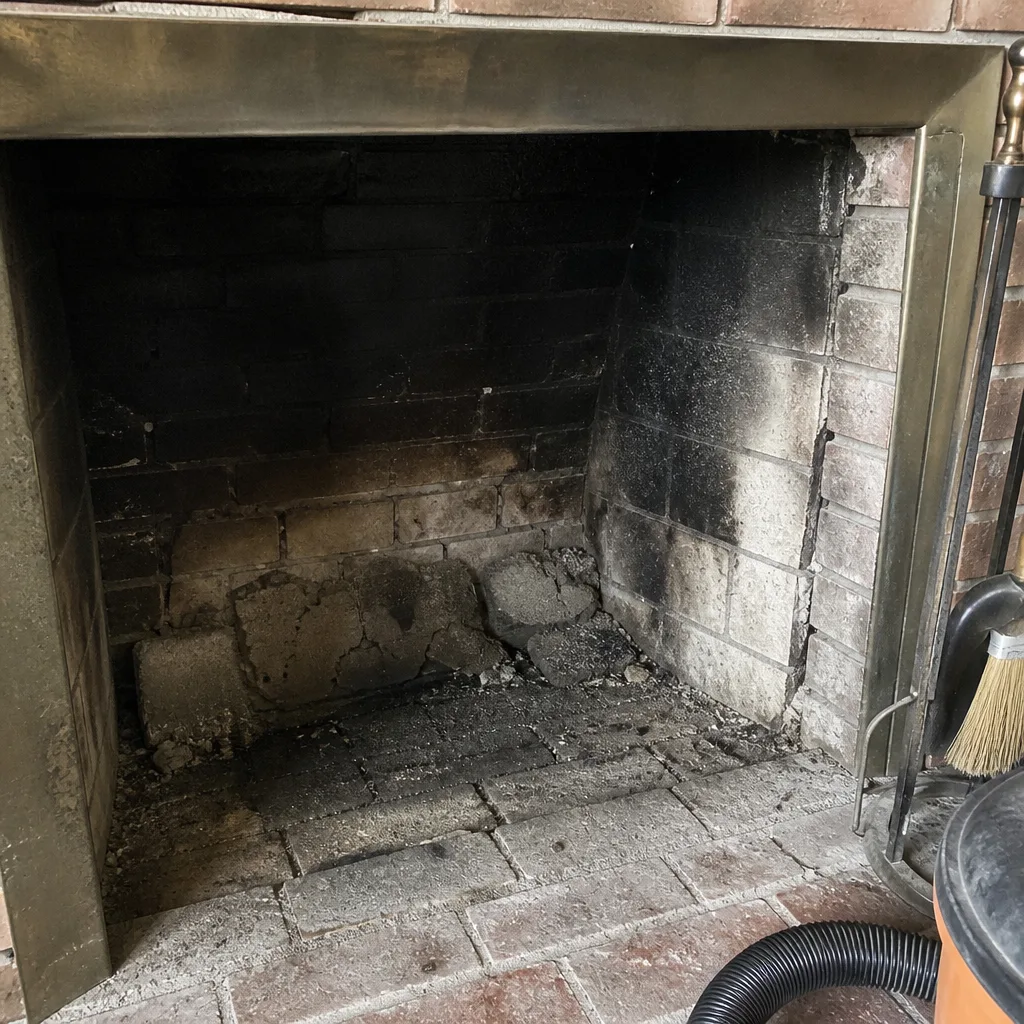
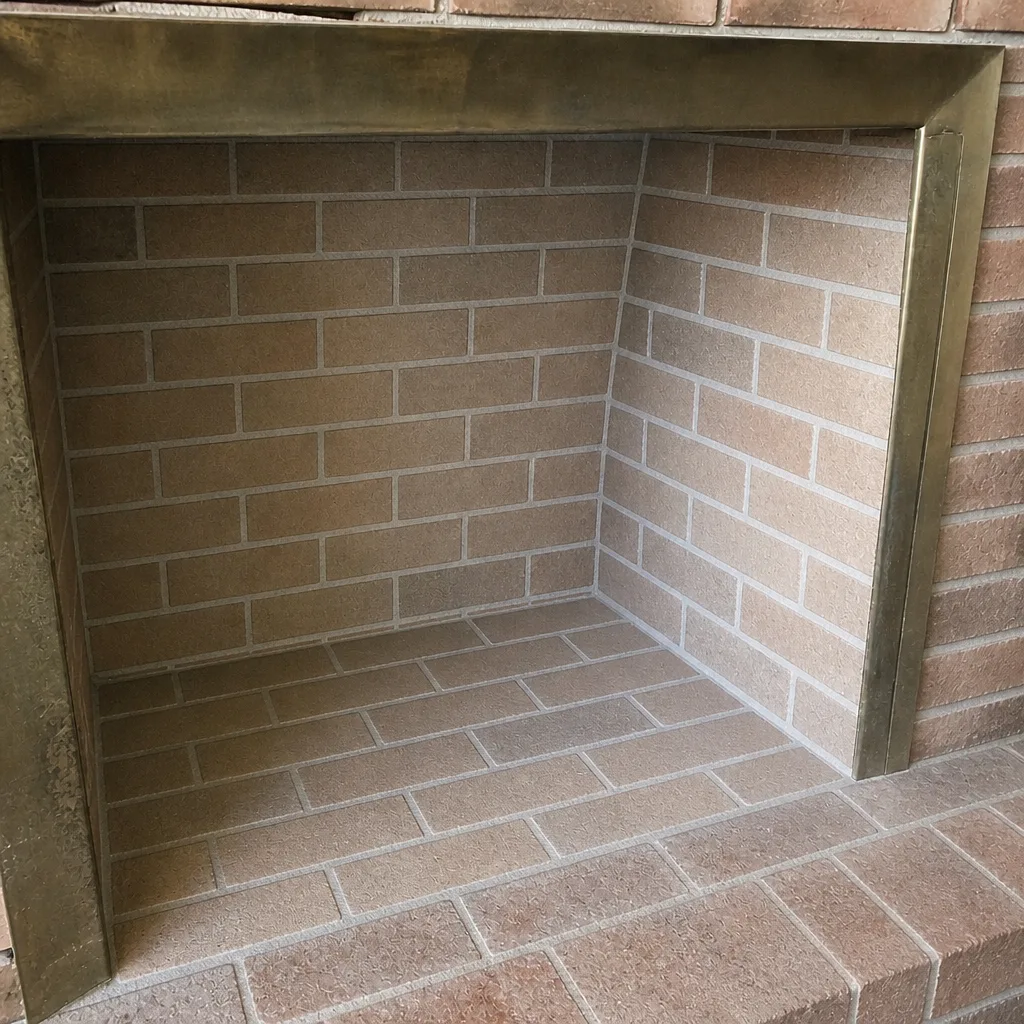
See the difference
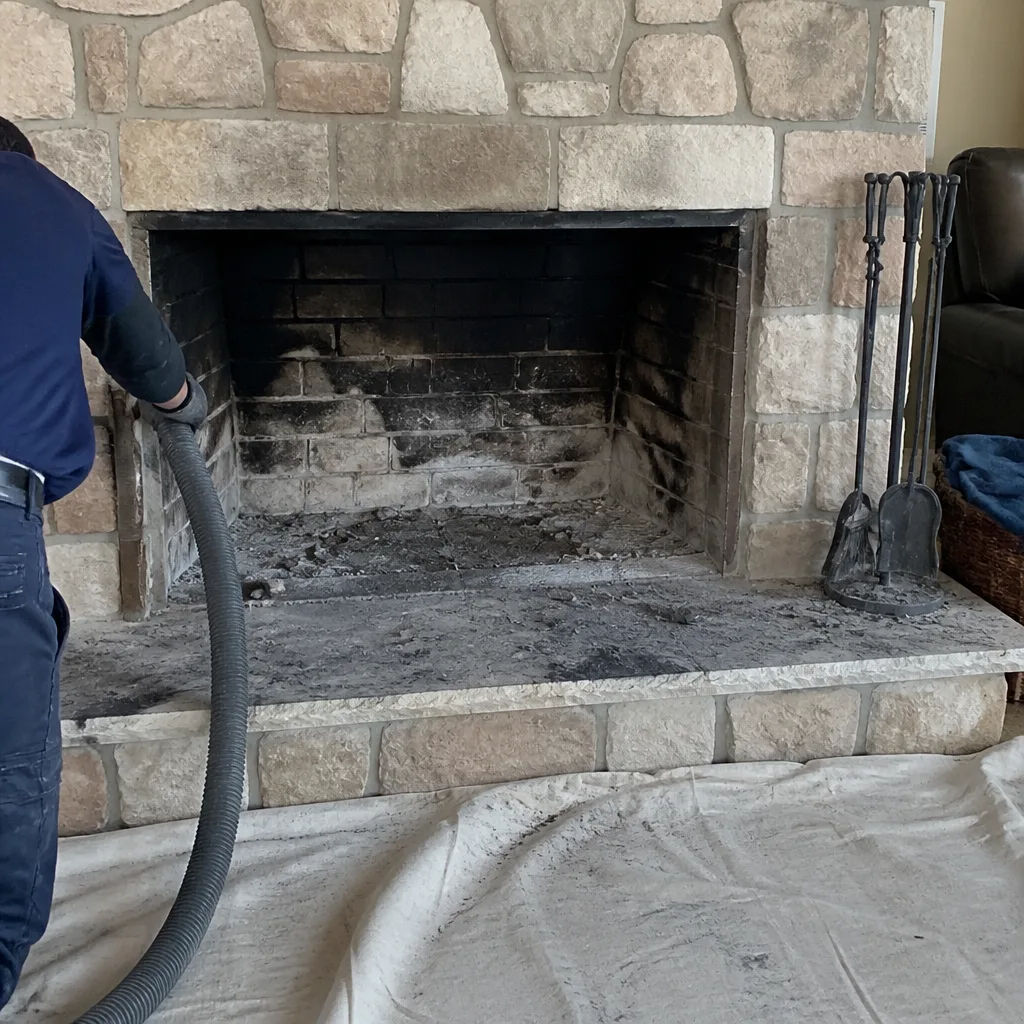 Before
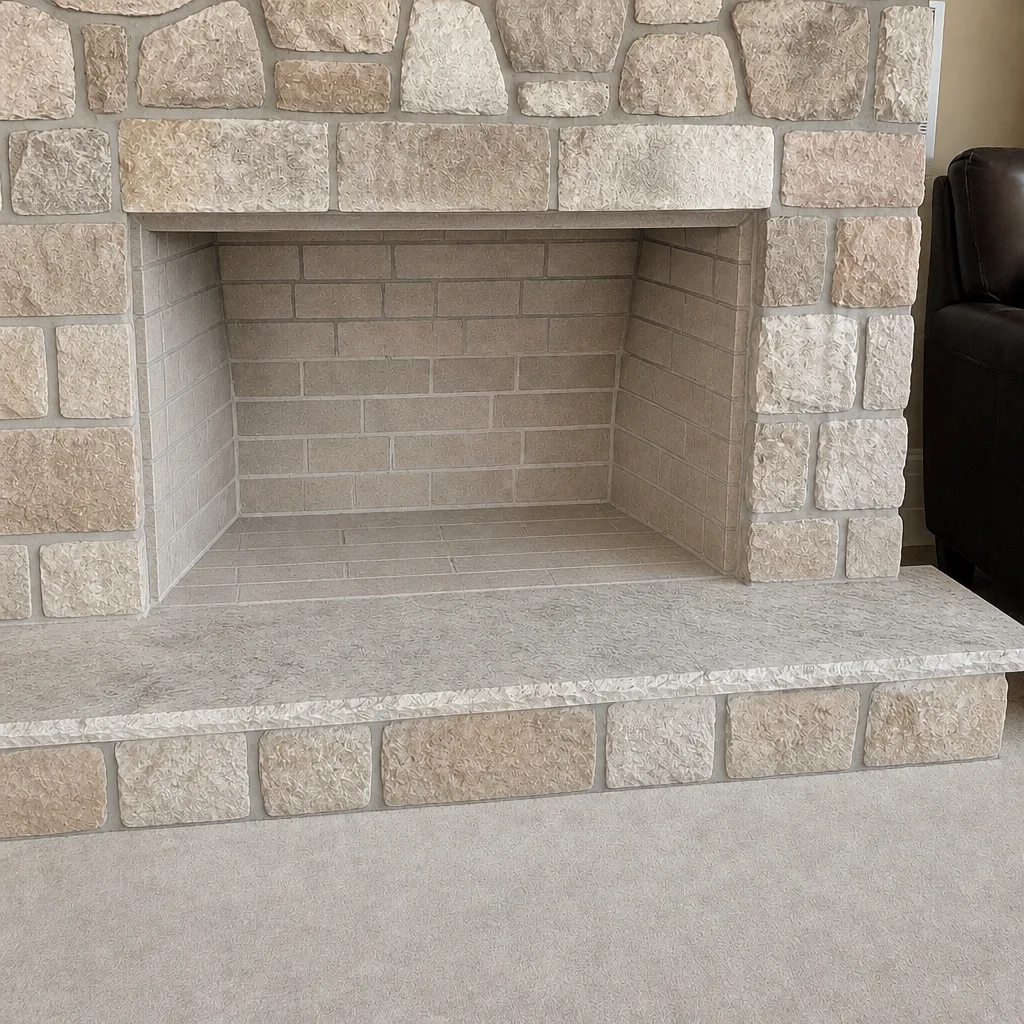 After
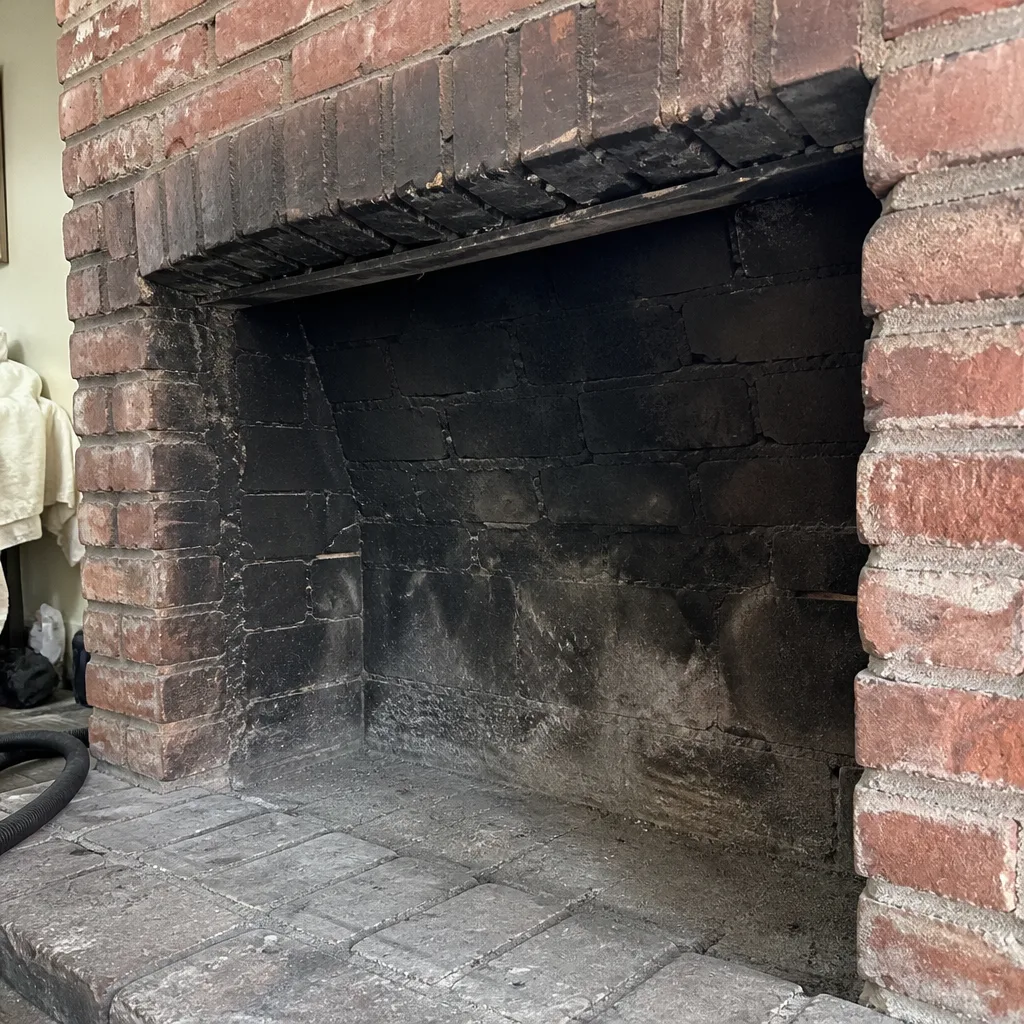 Before
 After
 Before
 After
When to Call a Professional
Some chimney problems are urgent, and others can wait for a scheduled visit. Call a professional if you smell a strong creosote odor inside the house, if smoke backs into the room when you burn, if you can see cracked or missing mortar on the chimney exterior, if the damper doesn’t open or close smoothly, or if it’s been more than a year since the last sweep. Schedule a call if you’re buying or selling a home in South Jordan and need a Level 2 inspection before closing. Call immediately if you’ve had a chimney fire, even a small one, because the damage to the flue lining isn’t visible from the outside. For annual maintenance, book before the fall rush, when scheduling is easier. Chimney Sweep South Jordan offers free estimates in South Jordan. Call (833) 508-9471. We answer 24/7. Fast dispatch from 7am to 7pm, Sunday through Friday.
Frequently Asked Questions
The CSIA recommends an annual inspection, and sweeping whenever the inspection shows creosote buildup above 1/8 inch. For a household that burns several cords of wood per winter, that often means an annual sweep. For occasional fires, sweeping every other year combined with annual inspections may be enough. Call (833) 508-9471 for an exact quote on a sweep. Estimates are free.
A liner is required when the existing flue lining has cracked, deteriorated, or is missing entirely, because an unlined flue allows heat and combustion gases to reach surrounding wood framing. Not every cracked liner requires full replacement; HeatShield resurfacing is an option when the liner is cracked but structurally intact. The right answer comes from a camera inspection, not a phone call. Call (833) 508-9471 for an exact quote. Estimates are free.
Creosote accumulates. At Stage 1 it’s a light soot; at Stage 2 it’s a glazed crust; at Stage 3 it’s a hardened, tar-like deposit that ignites at a lower temperature. A chimney fire can spread to the roof structure, and even a small fire can crack the flue lining. Carbon monoxide exposure is a separate risk if the flue is blocked or cracked. Beyond safety, small repairable issues (a cracked crown, a damaged cap) become larger repairs when left. Call (833) 508-9471 for an exact quote. Estimates are free.
Sweep pricing in South Jordan depends on the scope: a basic sweep runs at one end of the market and a full service with camera inspection, smoke chamber cleaning, and a written report runs higher. The written estimate sets the final price, and nothing gets recommended without camera evidence you can see. Call (833) 508-9471 for an exact quote. Estimates are free.
Often, yes. Caps and crowns are part of the service we offer, and a technician who’s already on the roof to sweep is well positioned to inspect and quote any cap or crown work at the same time. Materials like Famco and Gelco caps need to be specified so the correct fit is installed. Call (833) 508-9471 for an exact quote. Estimates are free.
A Level 1 inspection is a visual check of accessible areas and is the standard annual inspection. A Level 2 inspection adds a camera scan of the flue interior and is required for real estate transactions, after a chimney fire, or when switching appliance types. If your inspector can’t tell you which level they’re performing, they’re not performing one. Call (833) 508-9471 for an exact quote. Estimates are free.
The Bottom Line
Hiring a chimney cleaning contractor in South Jordan comes down to three checks: verify the CSIA and NFI credentials, confirm Utah contractor licensing for any repair work, and ask what materials the company actually stocks for repair. A company that can’t name a CSIA-certified technician, doesn’t carry resurfacing or liner materials, and won’t put an inspection in writing is not a chimney specialist. A specialist handles sweep, inspection, chimney repair, fireplace repair, and cap and crown as one connected service, so you’re not shopping for a second company the moment the inspection finds something. Start with the credential check, ask the five questions, and get everything in writing. If you’d like to talk through your chimney’s condition with a specialist, you can explore the full scope of what we do at Chimney Sweep South Jordan or call us directly for a free estimate.
If you need a sweep, an inspection, a repair, or a new cap, chimney sweep and fireplace work is what we do, and we work with the materials professionals trust: DuraFlex, HeatShield, Copperfield, Olympia Chimney, Famco, and Gelco. Our technicians have up to 10 years of experience. Call (833) 508-9471 for a free estimate. We answer 24/7. Fast dispatch from 7am to 7pm, Sunday through Friday.
Written by the team at Chimney Sweep South Jordan.