

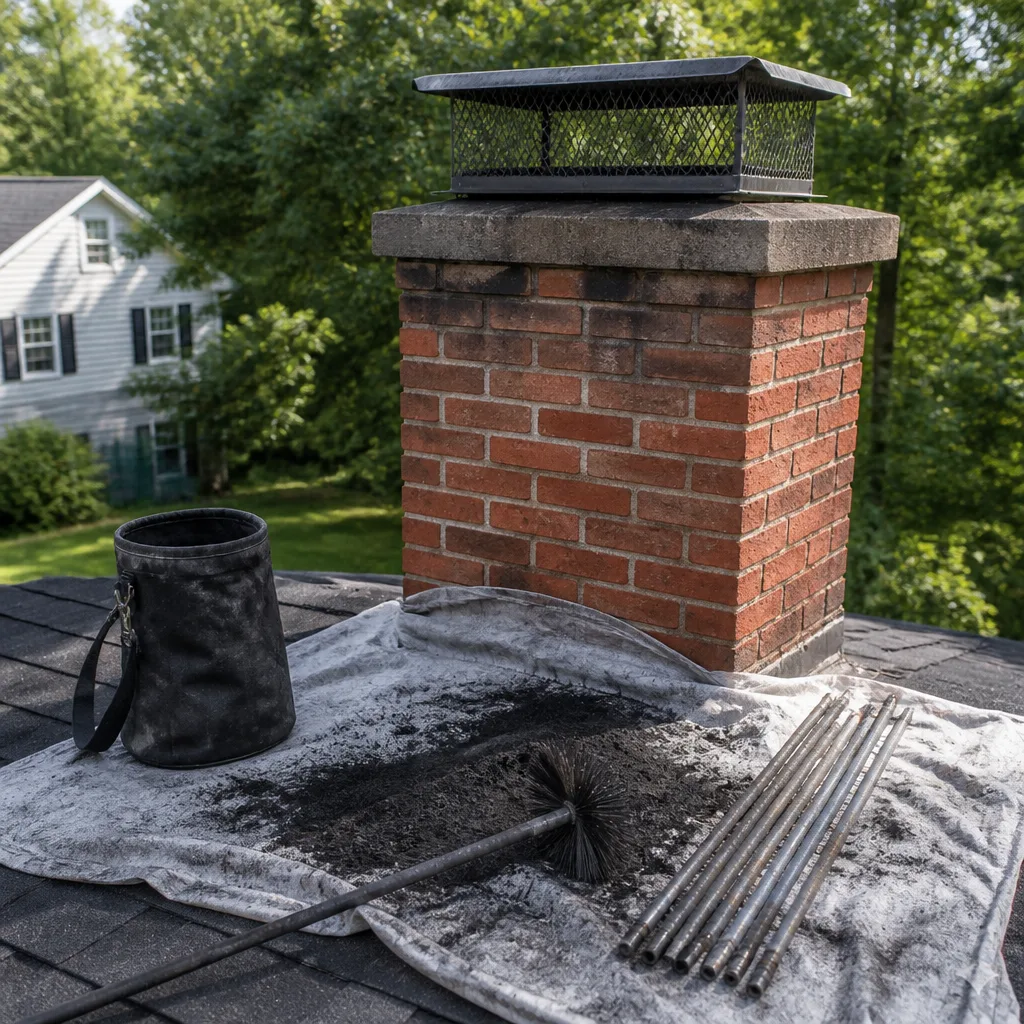
 Sweep & inspection
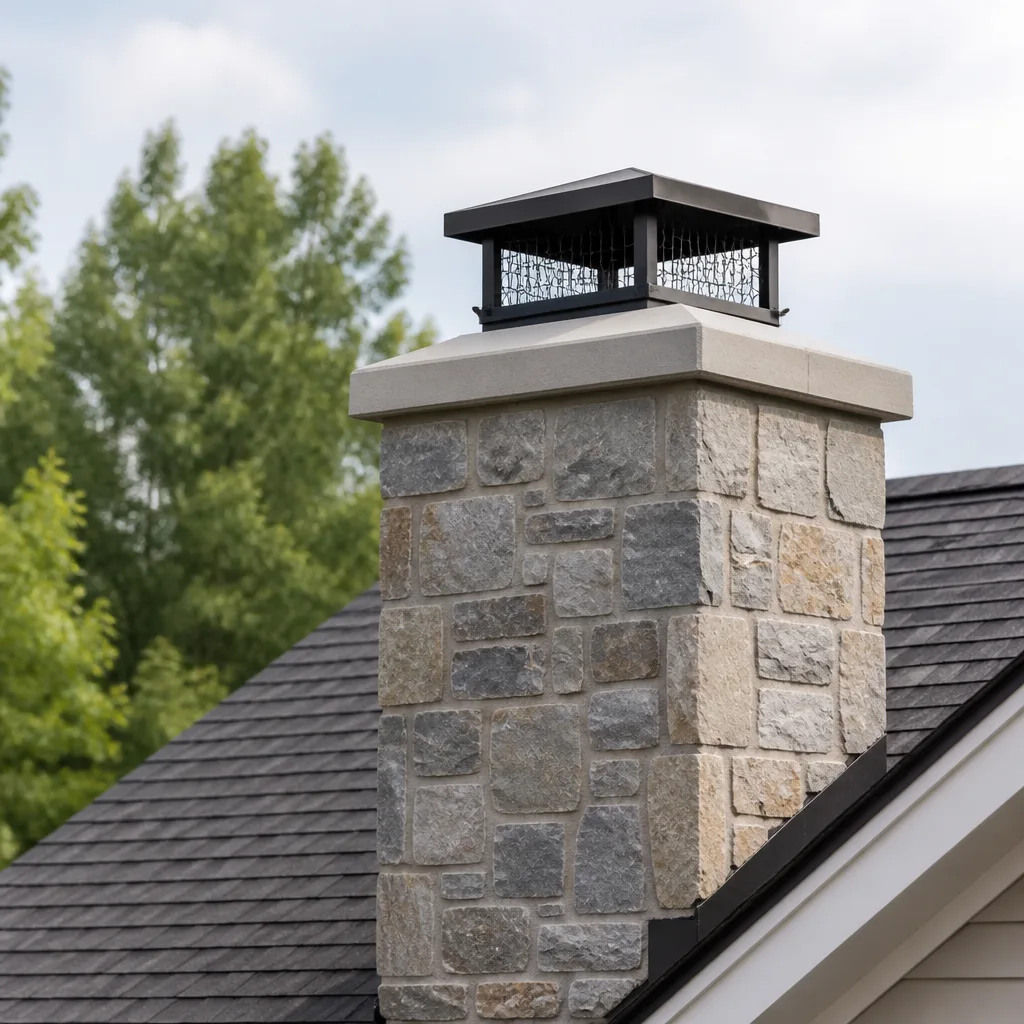 Caps & crowns
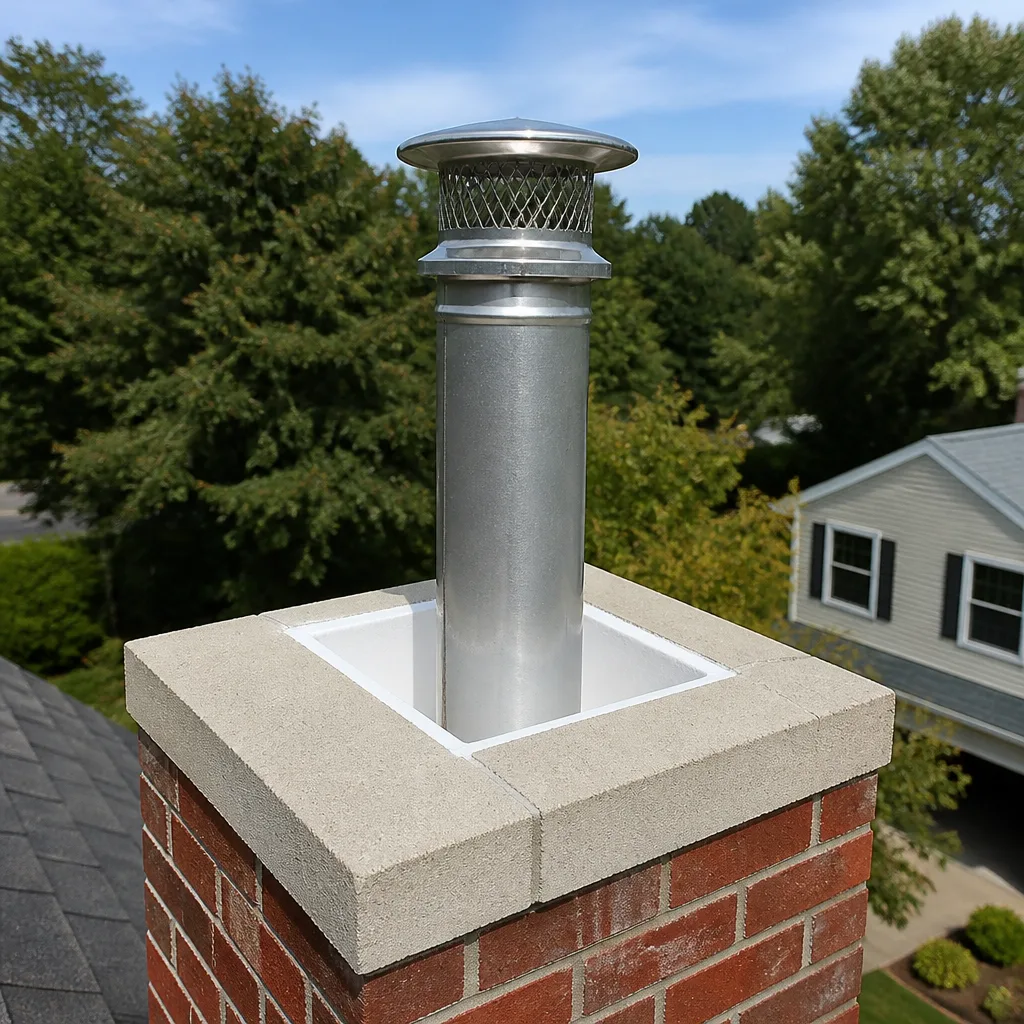 Flue relining
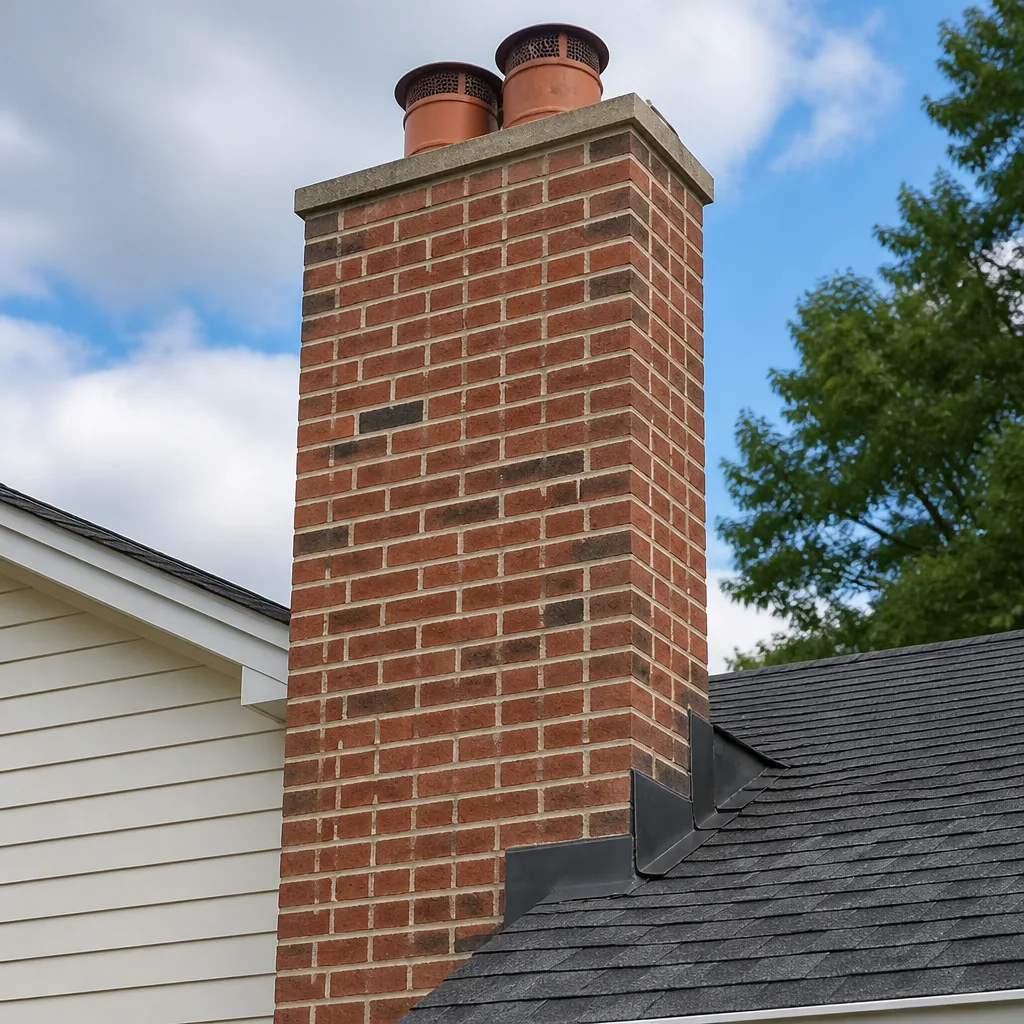 Masonry repair
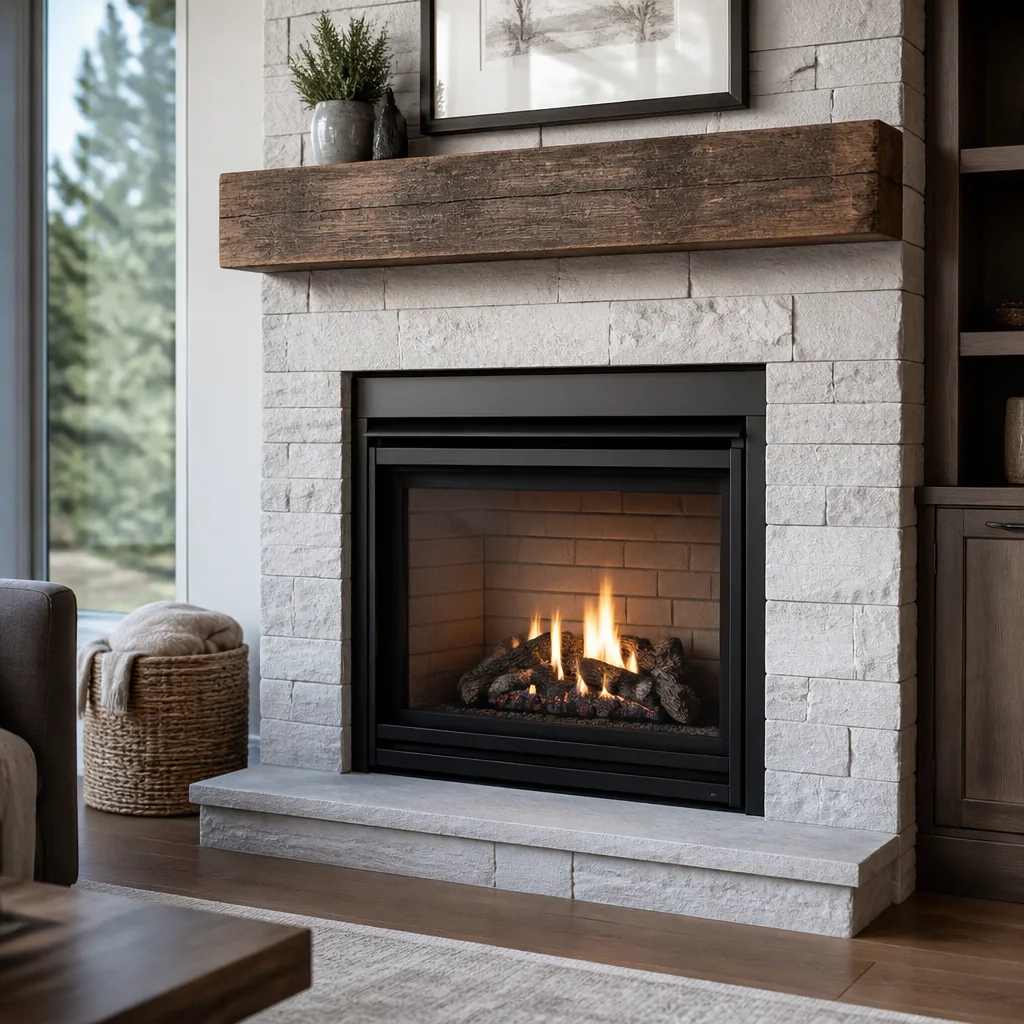 Gas fireplace service
Level 1 sweep and inspection to the NFPA 211 annual standard - flue, crown, cap, and flashing checked and photographed
Chimney sweep logs do not sweep chimneys. They loosen some creosote - which then falls where a brush and vacuum still have to collect it.
Fast, Reliable Chimney Sweep Across Sandy
If you live in Sandy and burn wood through a Wasatch winter, you already know your chimney takes more abuse than the one in a milder suburb down the valley. We’re a chimney and fireplace specialist, not a handyman outfit, and we work Sandy homes from the valley floor up to the east bench under Little Cottonwood Canyon. If your stove is your main heat, book a sweep before the burning season rather than after it. Call (833) 508-9471 for a free estimate.
Why Sandy Homeowners Call Chimney Sweep South Jordan for Chimney Sweep
Sandy is one of the towns people call us for most, and the work here looks different from what we see in warmer valley suburbs. A fire here runs for months, not weekends. That changes what a sweep actually has to clear. Our technicians have up to 10 years of experience, and they know the difference between a flue that needs a light brushing and one carrying glaze a brush won’t touch.
For a homeowner who uses their fireplace as serious heat, the trust question is simple: can the person sweeping your flue also fix what the inspection turns up? We handle sweeping, inspection, chimney repair, fireplace repair, and cap and crown work, so you’re not lining up three separate contractors. We work with professional-grade materials from DuraFlex, HeatShield, Olympia Chimney, and Copperfield. The local pro is licensed and insured as their state requires, and the price for any work is set by a written estimate before anything is booked.
Styles & brands we work with
- Sweep & inspection
- Caps & crowns
- Flue relining
- Masonry repair
- Gas fireplace service
Our Chimney Sweep Services in Sandy
Level 2 Inspection
A brush sweep only clears what it can reach. A Level 2 inspection runs a camera through the flue so you see the inside of your liner, any offset, and the condition of the clay tile for yourself. In Sandy’s older valley-floor homes around 84094, decades-old single-flue masonry chimneys often develop cracked or spalled tiles that a simple sweep will never expose. We include a photo report so nothing is recommended on our word alone.
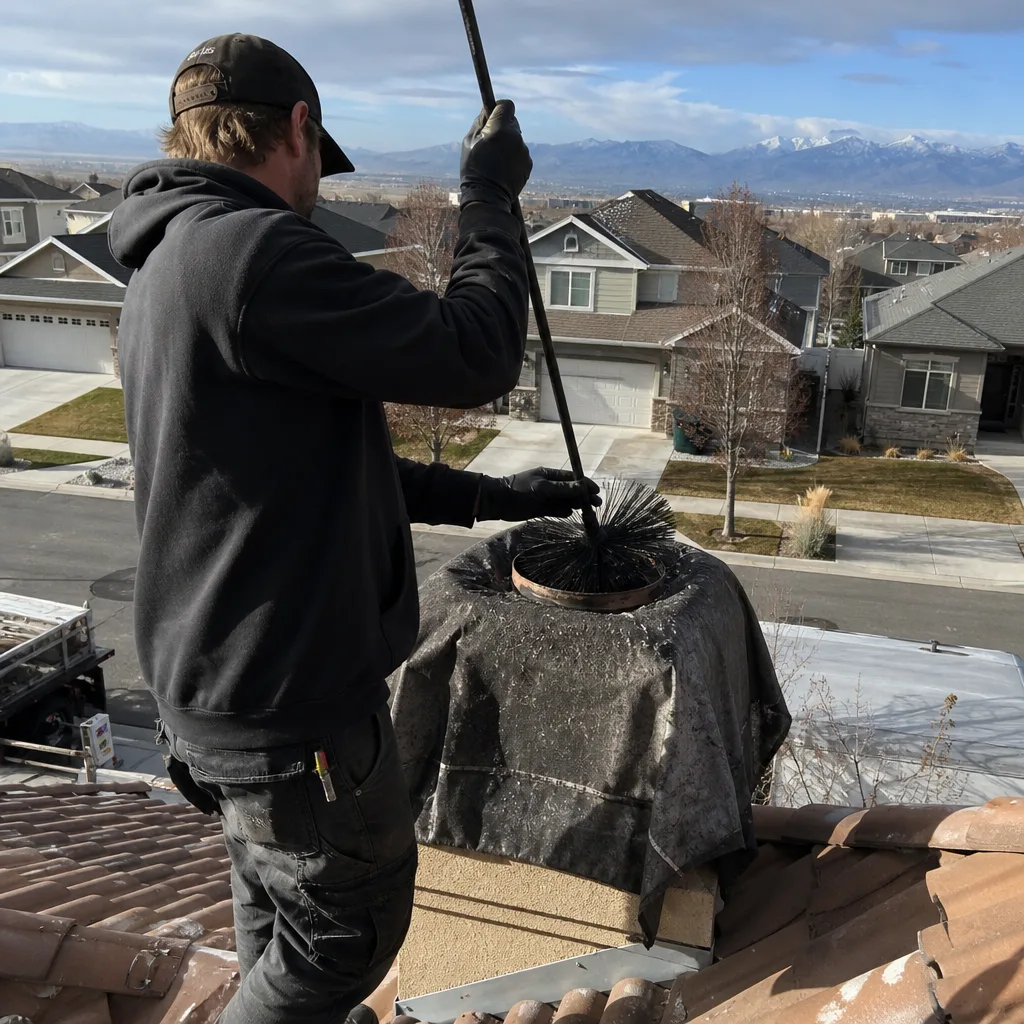
Creosote Removal
Creosote is where Sandy wood-stove users get into trouble. Long, cold shoulder-season burning on damp wood or with a choked damper cools the smoke and lays down heavy, gummy deposits fast. First- and second-degree creosote responds to a rotary sweep. Third-degree glaze, a hard tar-like layer, needs rotary removal with the right tools, and sometimes chemical treatment before the sweep. We tell you plainly which stage you’re in and whether it can wait.
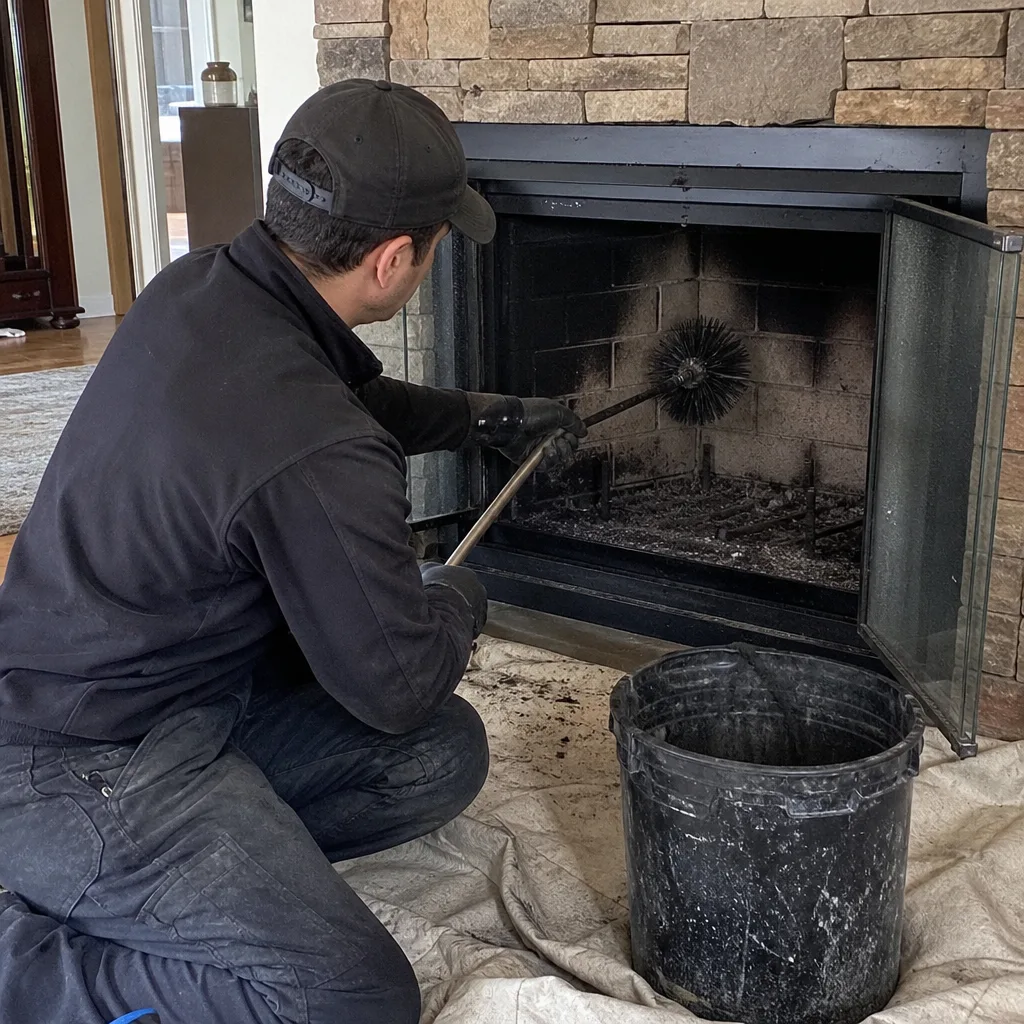
Annual Sweep
An annual sweep is the baseline for any fireplace, but Sandy stoves run harder than that. If your wood stove is your primary heat, the safe interval is shorter than once a year, and your burn habits and wood moisture decide how much shorter. We assess buildup at each visit and give you an honest interval rather than a fixed answer. That guidance is the whole point of a local sweep.
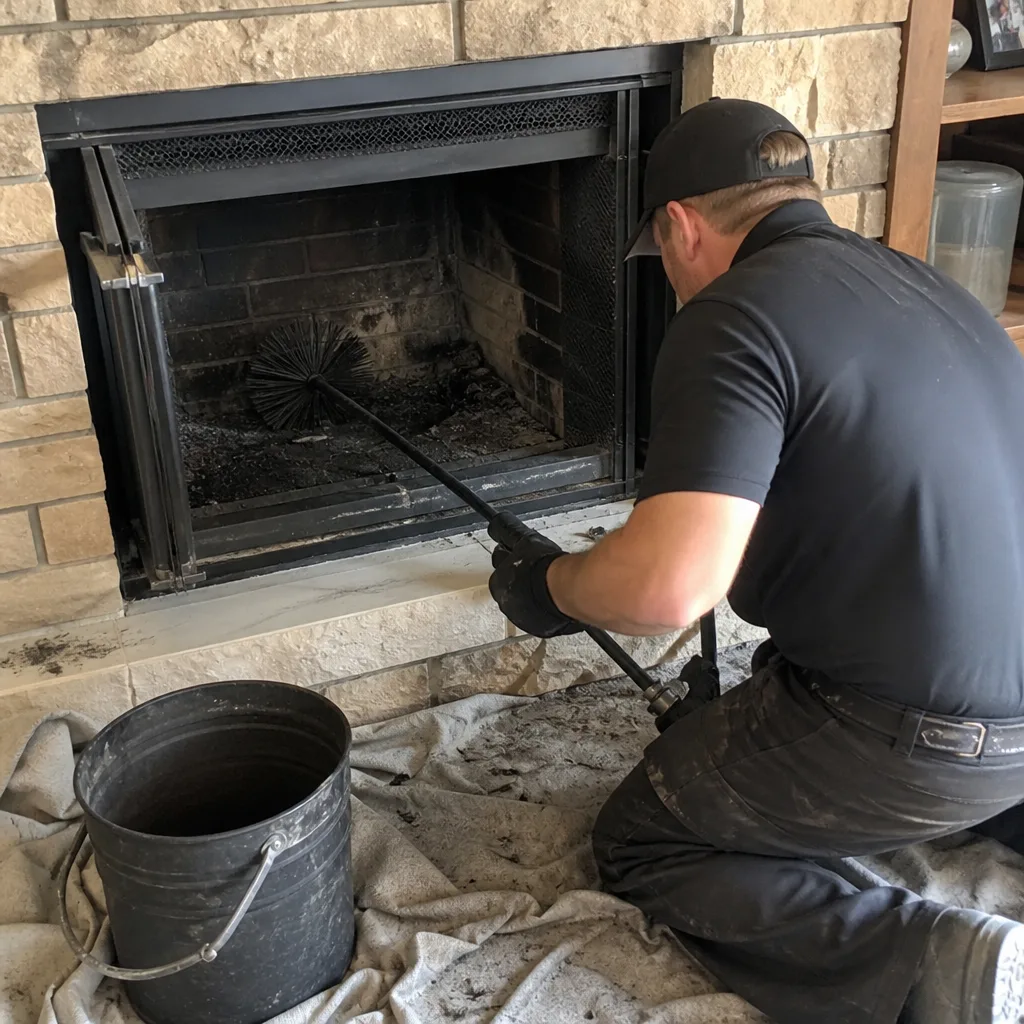
Soot Removal
Soot builds up on the firebox, damper, and smoke shelf, and it’s what soots up your glass within days of a fresh fire. We clear the firebox and smoke chamber as part of the sweep so draft recovers and the glass stays clearer longer. If an east-bench cap is letting snowmelt track down the flue, soot comes with moisture, and the source is the cap, not the firebox.
Why Sandy Chimneys Need a Different Approach Than the Rest of the Valley
Sandy sits at the mouth of Little Cottonwood Canyon, where winter inversions trap cold air against the Wasatch Front and push residents to burn hard for months. That means chimney work here is dominated by creosote-heavy flue cleanings from high-volume shoulder-season burning, not the occasional decorative fire you’d see in warmer valley suburbs. The steep east-bench homes climbing toward the canyon face wind exposure and snow load the flat-lot neighborhoods don’t, and caps and crowns take a real beating. On a cold inversion morning, a homeowner on the east bench often lights a fire, notices weak draft and fast-sooting glass, and a qualified sweep typically finds a wind-damaged cap or a hairline crown crack letting in moisture, plus first- or second-degree creosote from heavy burning. The fix usually combines a Level 2 inspection, a rotary sweep of the flue liner, and a cap or crown repair to restore draft and keep water out.
Trusted Brands We Service in Sandy
Material quality is half the job. We work with DuraFlex flexible liner systems for relining aged or complex flue configurations, HeatShield for resurfacing a cracked flue liner as a repair option before full replacement, and Olympia Chimney and Copperfield for caps and venting components built for the job. Sandy caps take canyon wind, so we fit the right one, not just any one we can find. We only install brands professionals trust, because a cap that fails in a February snow load costs you a liner.
See the difference
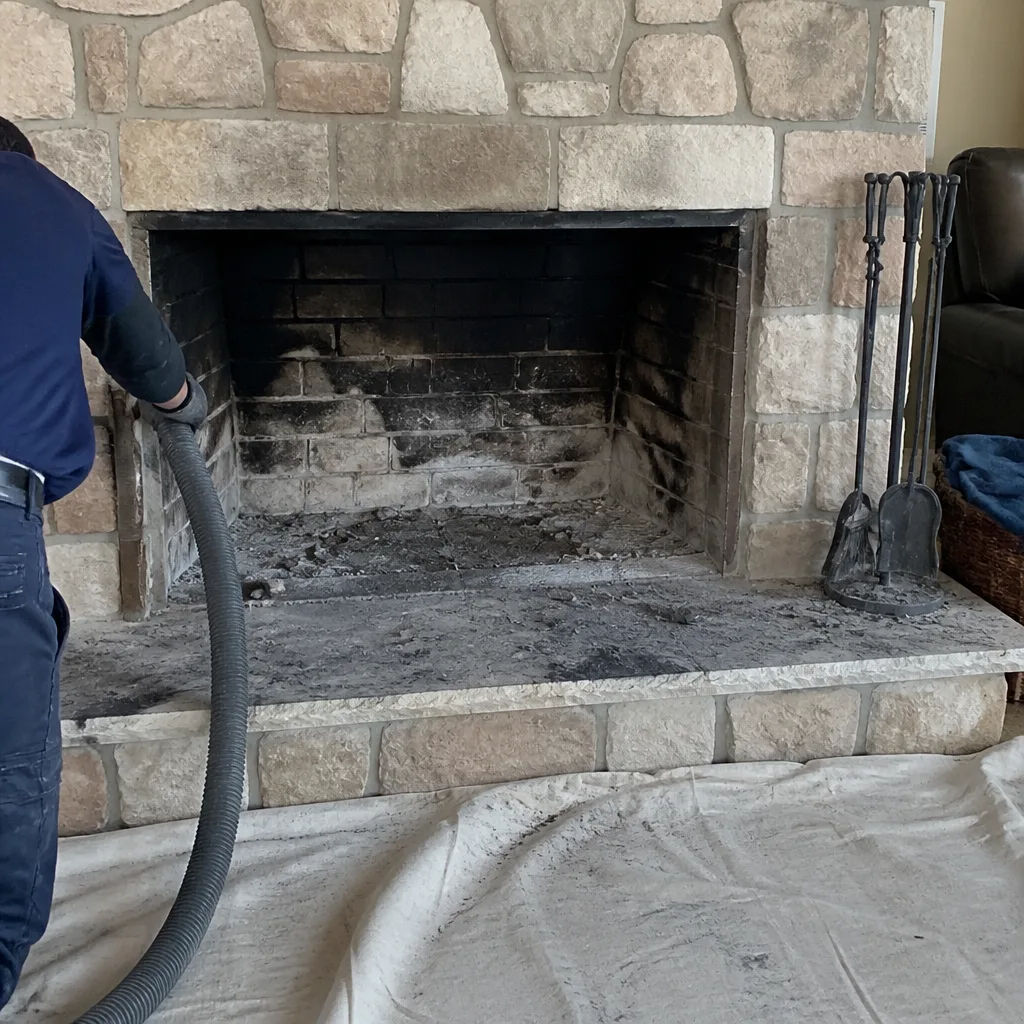 Before
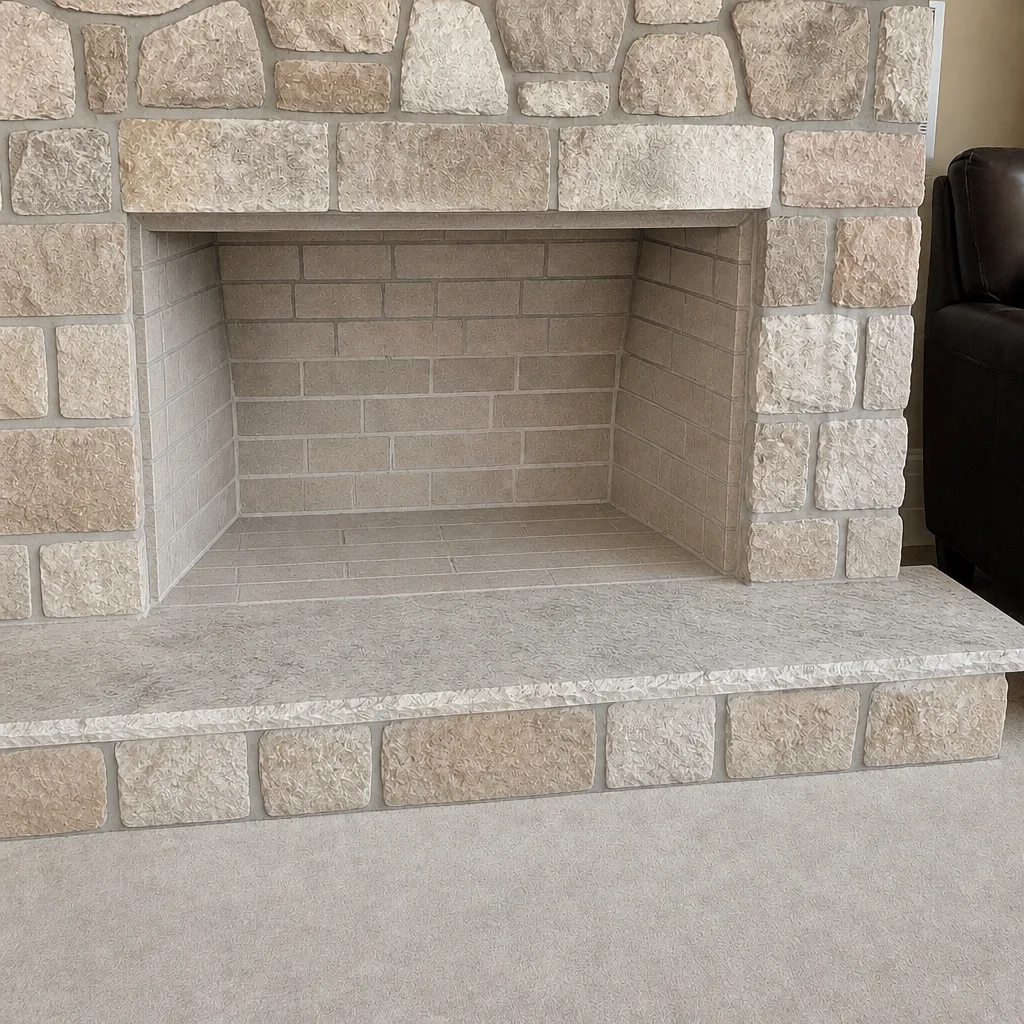 After
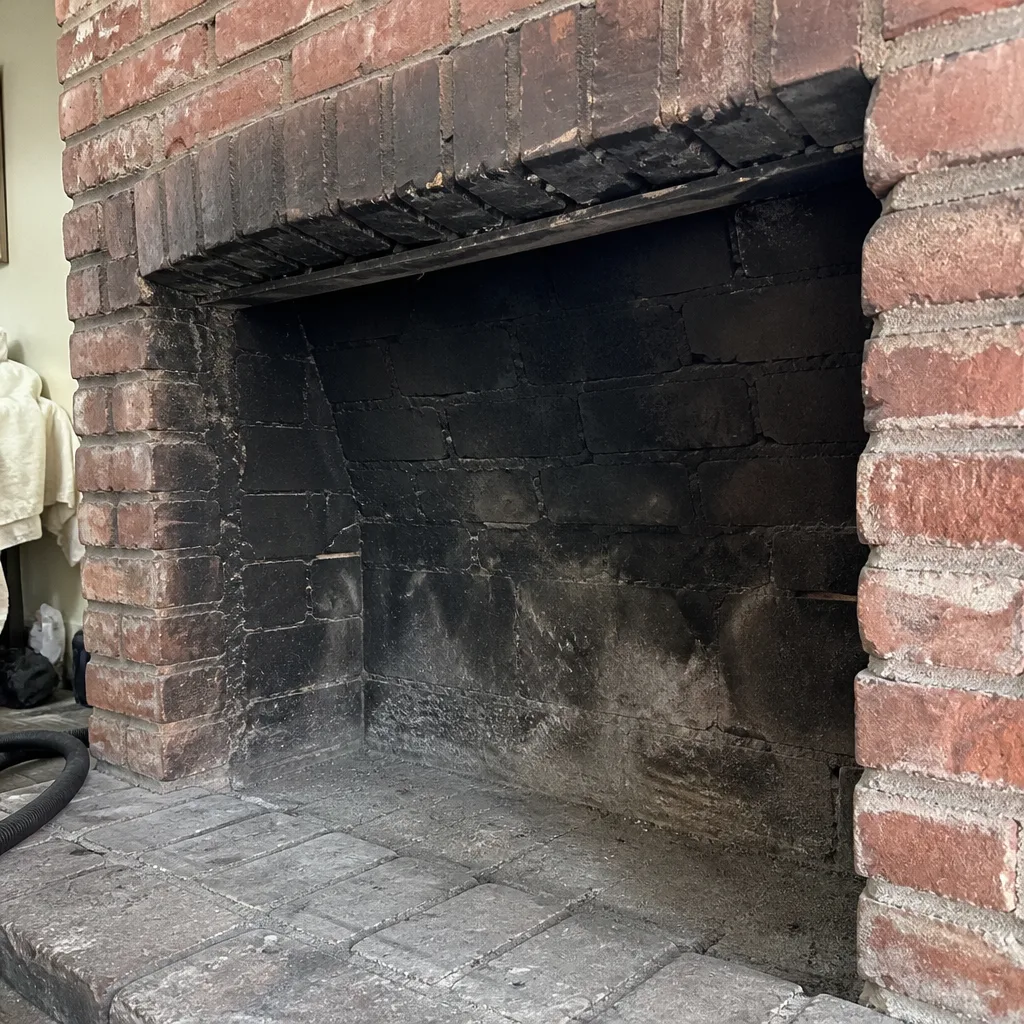 Before
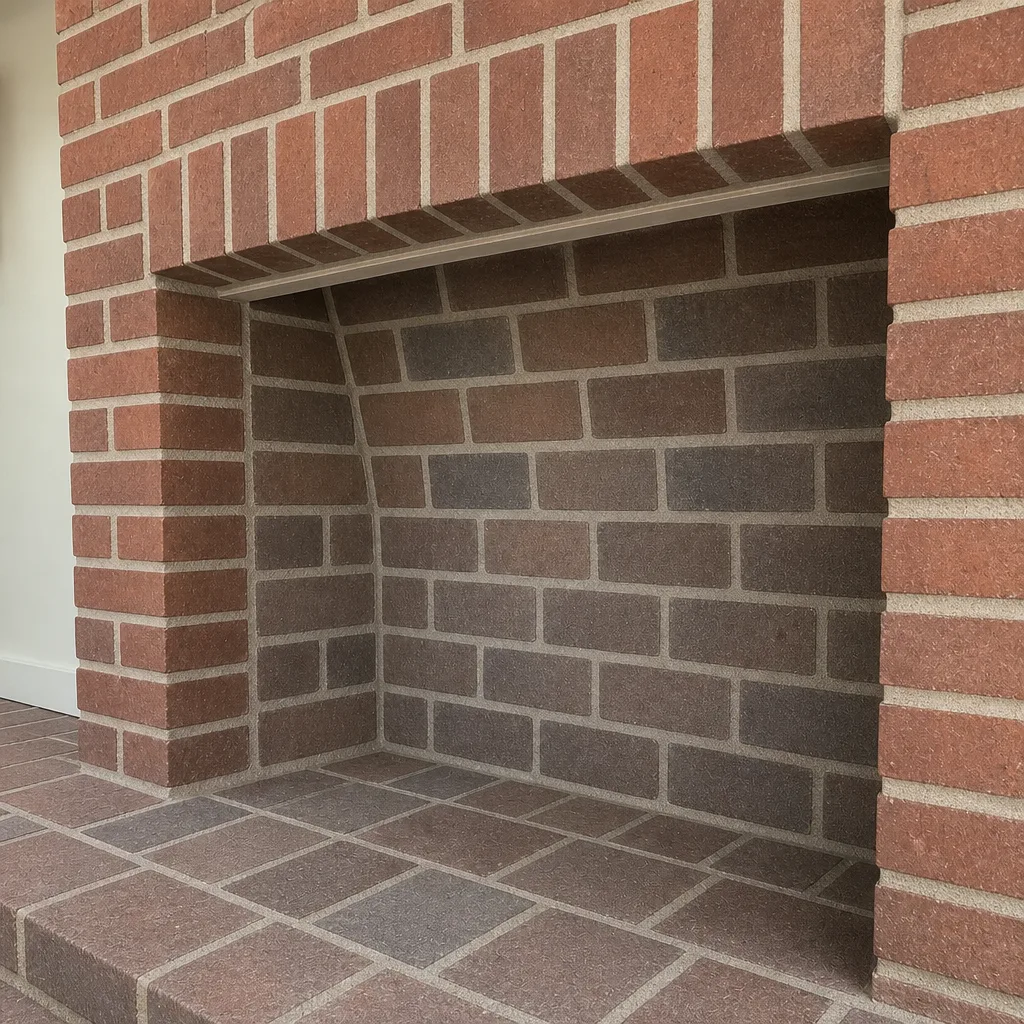 After
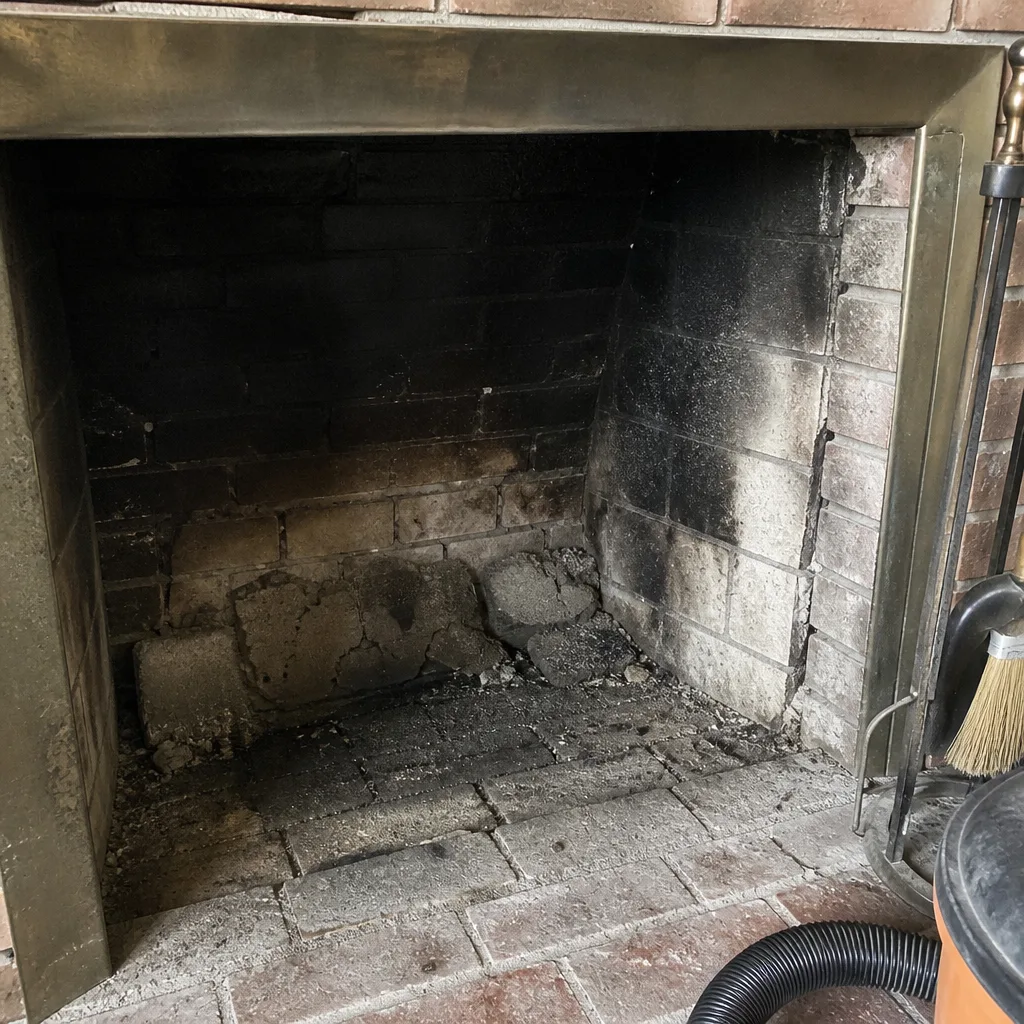 Before
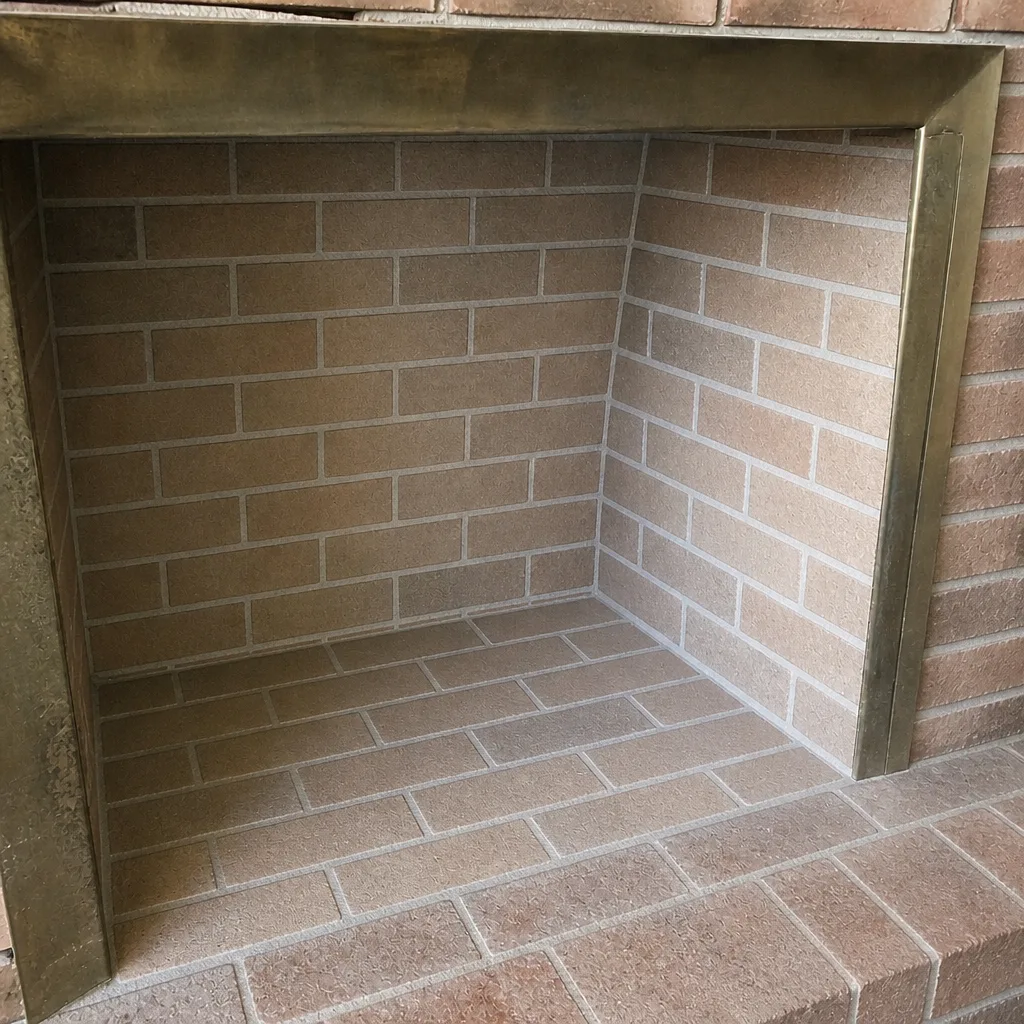 After
Common Chimney Sweep Problems We See in Sandy Homes
- Heavy creosote from wood stoves used as primary heat. Long Wasatch winters burn more wood and cool the smoke faster, especially on damp wood or a pinched damper, laying down creosote much faster than a weekend fireplace does.
- Wind-loosened caps and cracked crowns on the east bench. Exposed homes climbing toward the canyon lose caps and crack crowns in wind and snow load, letting snowmelt into the flue and speeding up spalling of clay tile liners.
- Cracked or spalled clay tiles in 1970s to 1990s masonry chimneys. Valley-floor homes often still have their original single-flue masonry chimney, and the tiles crack and spall over decades in a way a plain brush sweep won’t reveal without inspection.
- Third-degree creosote from burning through inversion no-burn days. When air-quality red days hit, some homeowners keep burning anyway, and layered third-degree glaze builds up that a brush cannot remove.
Pricing for Chimney Sweep in Sandy, UT
A typical annual sweep or creosote cleaning in Sandy runs $180 – $340, and a Level 1 inspection usually falls in the $120 – $220 range. A Level 2 inspection with camera and photo report is typically $250 – $450. If a cap or crown repair comes up, plan on $300 – $650 depending on the cap and how much crown resurfacing is involved. What moves the price is creosote stage, flue length and access on steep east-bench lots, and whether your liner needs HeatShield resurfacing before it can be safely swept again. The estimate is free and the written estimate sets the final price.
We Also Serve Cities Near Sandy
We handle chimney work in Sandy and the towns that border it, including Midvale, Cottonwood Heights, Granite, and White City. If you’re just over the line, the same wind exposure and the same winter burning habits apply, so the work looks familiar. Call us and we’ll confirm your address is covered.
Serving Sandy, UT – Our Local Coverage Area
We serve Sandy and nearby communities. Use the map below to see the area we cover. If you’re nearby, we can almost certainly help.
FAQs – Chimney Sweep in Sandy
More often than once a year, and the right interval depends on your burn habits and wood moisture. A stove used as primary heat through a long Wasatch winter lays down creosote far faster than an occasional fireplace, and damp wood or a choked damper speeds it up. We check buildup at each visit and tell you the honest interval for your stove. Call (833) 508-9471 for an exact quote, and estimates are free.
No, a rattling cap is a cap issue, not a creosote problem. Canyon winds and snow load on exposed homes climbing toward Little Cottonwood routinely loosen caps and crack crowns, and the rattle is the cap working loose at the collar. Left alone, that gap lets snowmelt into the flue. We check the cap and crown as part of any east-bench visit. Call (833) 508-9471 to get it looked at.
The three stages describe how hard the deposit is to remove. First-degree is light soot and flaky creosote a brush clears easily, second-degree is gummy and needs rotary sweeping, and third-degree is a hard tar-like glaze a brush can’t touch, needing rotary removal and sometimes chemical treatment. In Sandy, heavy burning often pushes stoves into second or third degree before the homeowner knows it. Call (833) 508-9471 for a free estimate.
On a red-burn day, the air-quality restrictions on wood burning apply, and a wood stove or insert falls under them. What’s legal depends on your appliance and the day’s designation, and we can tell you what we see and what the day allows. When people keep burning through no-burn stretches, third-degree glaze builds fast. Call (833) 508-9471 and we’ll help you sort out the appliance.
Because your chimney sits in wind and snow load, not because the cap is a bad part. East-bench homes toward Little Cottonwood catch the canyon wind squarely, and a cap fitted without the right collar and fastening works loose season after season. The fix is a cap built for the exposure, not just a tighter bolt. Call (833) 508-9471 for a free estimate on a cap and crown check.
If you’re in Sandy and your stove has been burning hard, the sweep you book now saves you a liner later. Call (833) 508-9471 for a free estimate. We answer 24/7, with fast dispatch from 7am to 7pm, Sunday through Friday.
Written by the team at Chimney Sweep South Jordan.